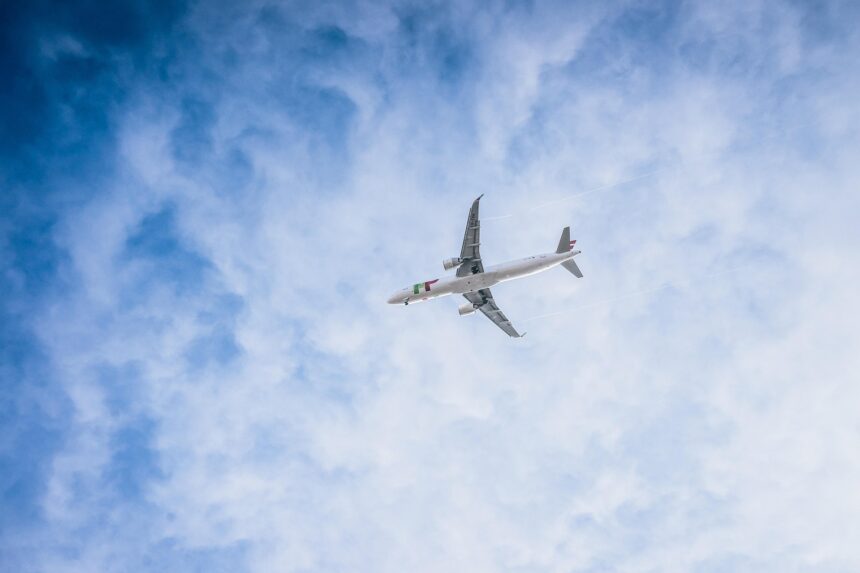
The International Civil Aviation Organisation (ICAO) is due to launch the second phase of its Carbon Offsetting and Reduction Scheme for International Aviation (CORSIA) in January 2028. This scheme would require airlines from member states to purchase pollution permits in order to legally release greenhouse gases into the atmosphere. Dignitaries at the United Nations’ (UN) COP31 climate conference in Antalya, Turkey, have raised concerns about the practicality of the scheme however.
What Are Pollution Permits?
Pollution Permits are legal licenses which grant the owner the right to release greenhouse gases into the atmosphere.
They are used a market-based alternative to policies such as carbon taxation, which are designed to incentivise companies including airlines to reduce their carbon footprint.
Many countries, including the UK, have already introduced their own pollution permit trading schemes, with all EU member states currently signed-up to the EU Emissions Trading Scheme.
The ICAO currently plans to introduce the second phase of CORSIA, which would involve airlines being required to report their annual carbon emissions, in January 2028.
Roughly 130 countries are currently signed up to the scheme, with phase one, which involved the voluntary reporting of carbon emissions, launching in January 2024.
Why Are Experts Concerned?
The purpose of phase one of CORSIA was to help the ICAO determine how many pollution permits to issue at the beginning of 2028.
According to Standard Chartered bank’s Head of Carbon Market Development, Chris Leeds, believes that the member nations’ airlines will require 200 million metric tons worth of pollution permits to continuing operating at their current levels.
It has been reported however, that the ICAO is only planning to provide roughly a quarter of this number.
Antigua and Barbuda’s UN Ambassador, Walton Webson, has said that,
“this is going to be a true test of if we could make real progress.”
If pollution permit demand follows similar patterns for CORSIA as it does within the UK’s carbon permit market, then permits could cost between $12 and $13 per ton of carbon dioxide emitted.
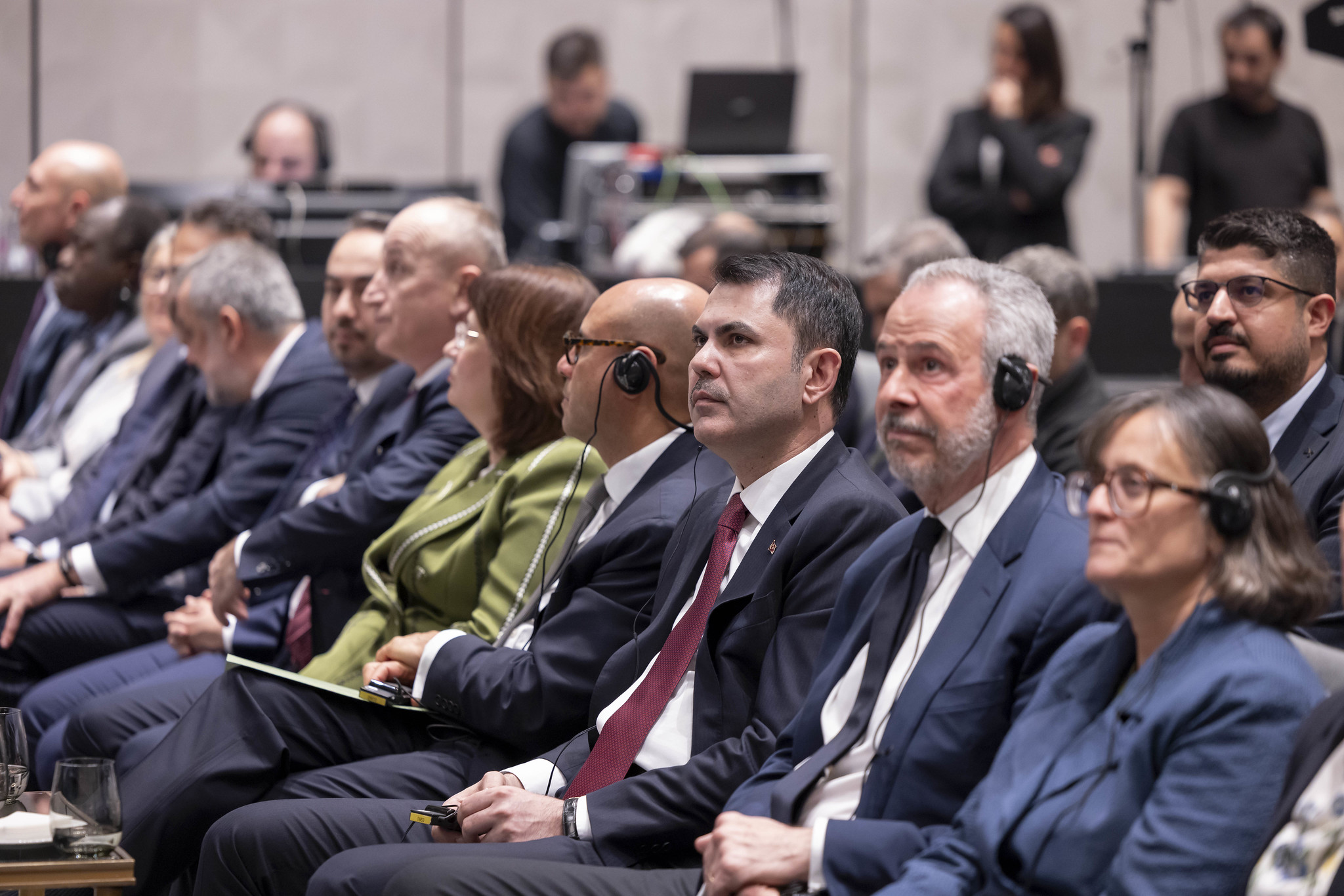
Despite concerns that this could exclude smaller airlines and poorer nations from the market, an ICAO spokesperson has told COP 31 that the implementation of CORSIA is still on track.
Can CORSIA succeed? Will the airline industry significantly reduce its carbon footprint? Let us know what you think in the comments.