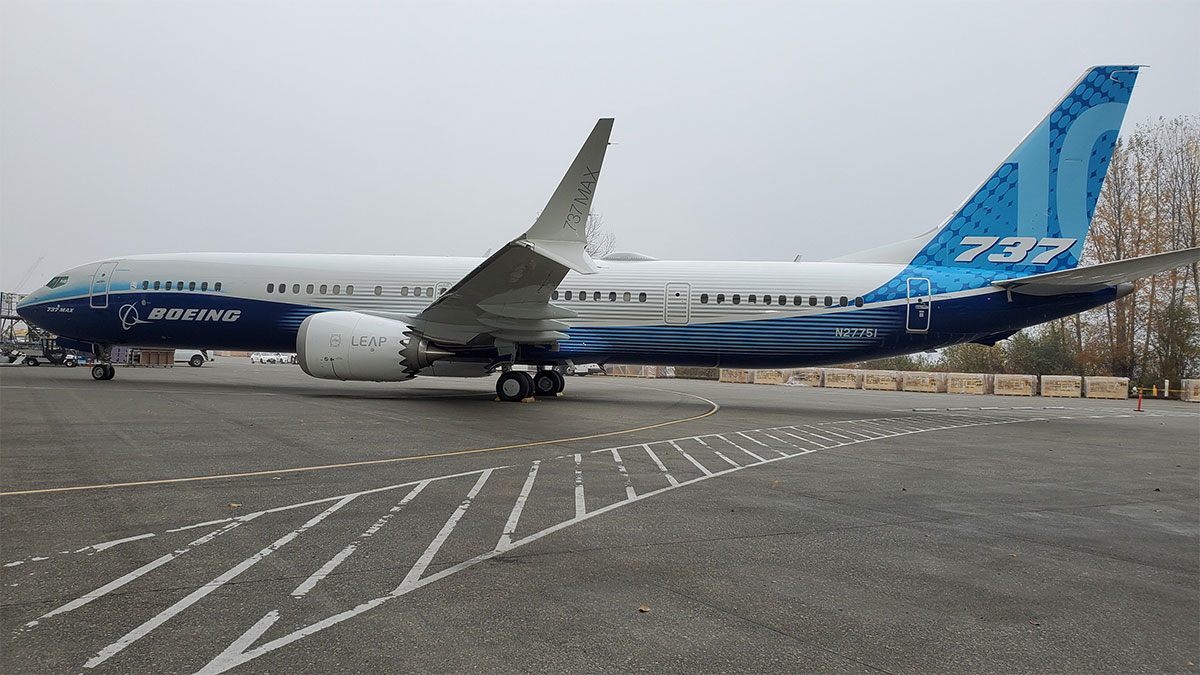
Boeing’s long-delayed 737 MAX 10 has received certification from the Federal Aviation Administration (FAA), marking a major milestone for the manufacturer and clearing the way for deliveries to begin.
Approval Comes After Years of Delays
Announced on Oct. 20, the approval follows years of testing, regulatory scrutiny, and technical setbacks for the largest variant of Boeing’s 737 MAX family; however, international approvals and the aircraft’s entry into airline service remain key steps before passengers can fly on the new jet. Boeing completed its planned certification flight testing in July, following 976 flights and more than 2,060 flight hours, before progressing through the remaining regulatory reviews.
The aircraft is designed to carry more passengers than other members of the 737 MAX family, bringing the maximum configuration to up to 230 seats, in comparison to its typical capacity of 185 to 210 passengers, according to Boeing.
The approval follows Travel Radar’s earlier reports, which outlined expectations for certification after the FAA reviewed the aircraft’s remaining issues.
Certification follows additional scrutiny of a software issue affecting the 737 MAX’s vertical navigation system during certaing go-around scenarios. Boeing previously informed operators of the issue, which can affect automated vertical flight guidance following a missed approach, the FAA determined it did not pose a safety risk requiring a correction before certification, with pilots retaining control of the aircraft. Boeing is continuing work on a software update.
When Will Airlines Receive the 737 MAX 10?
Although FAA certification is a significant step, it does not automatically grant approval in every international market. Canadian and European regulatory approvals remain important before deliveries and operations can proceed in said jurisdictions.
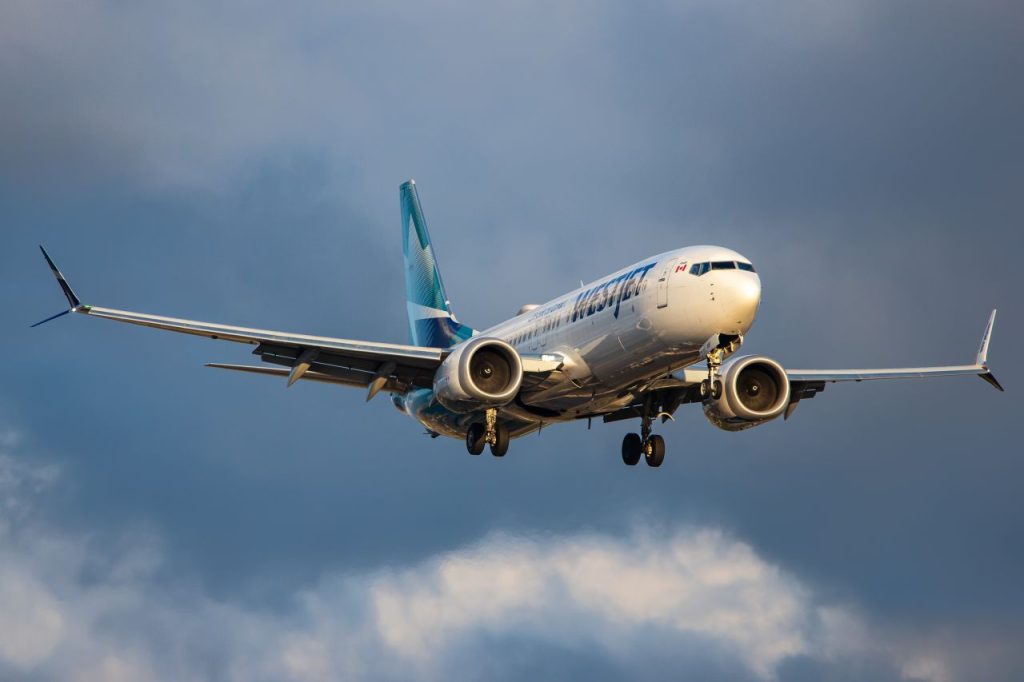
Boeing expects deliveries to begin in the coming months, with WestJet anticipated to be the launch customer. Reports indicate that the first delivery is expected in early 2027, subject to the remaining regulatory steps. The aircraft’s entry into service will provide Boeing with a new competitor to the Airbus A321neo, which has gained ground in the single-aisle market during the MAX 10’s prolonged development.
Follow Travel Radar for the latest developments in aviation, airlines, and airports around the world.