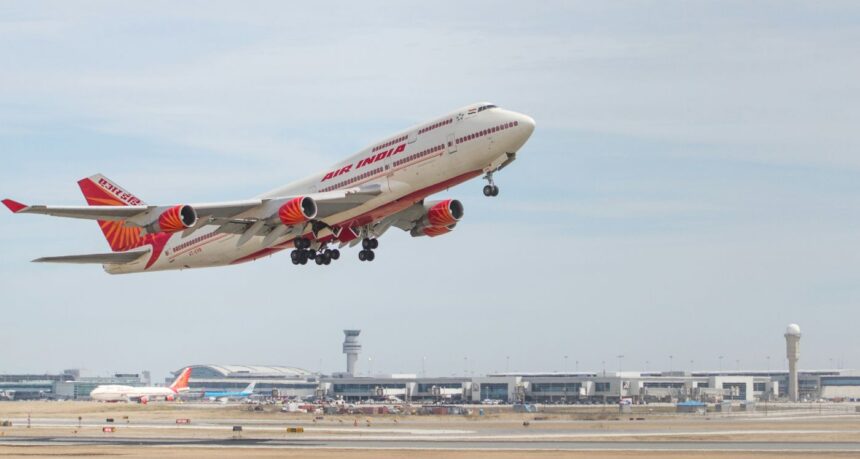
Less than a day after a Corendon Airlines flight squawked the hijack code over Europe, it happened this time over India on the morning of Oct.14. Air India flight A12030 from Frankfurt to Delhi was diverted to Jaipur after the 7500 hijack code was issued, prompting security and precautionary inspections at the airport.
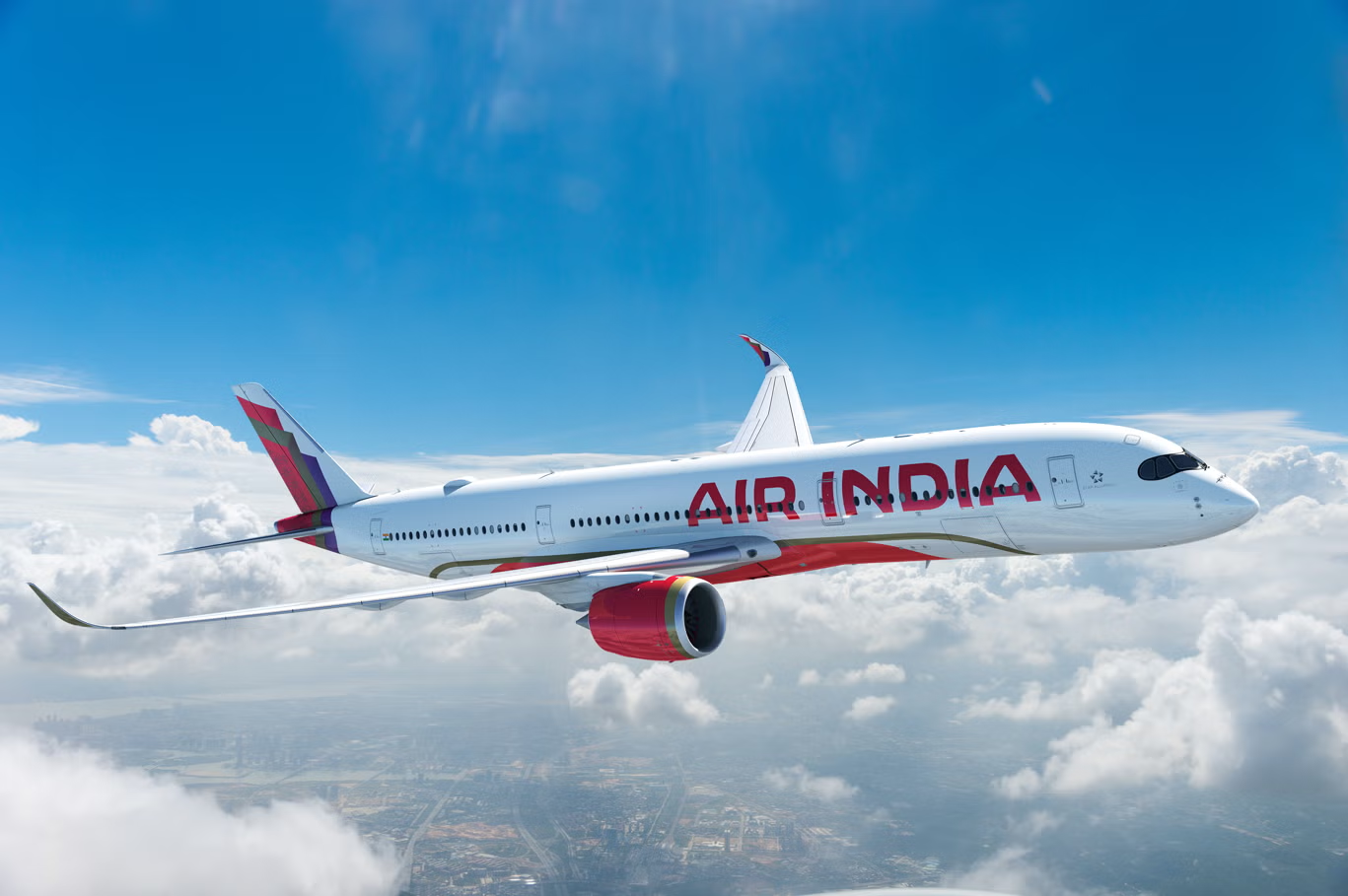
Aircraft Diverted as Security Protocols Activated
According to reports, the emergency signal was received while the aircraft was within the Mumbai Flight Information Region, with authorities immediately initiating security procedures.
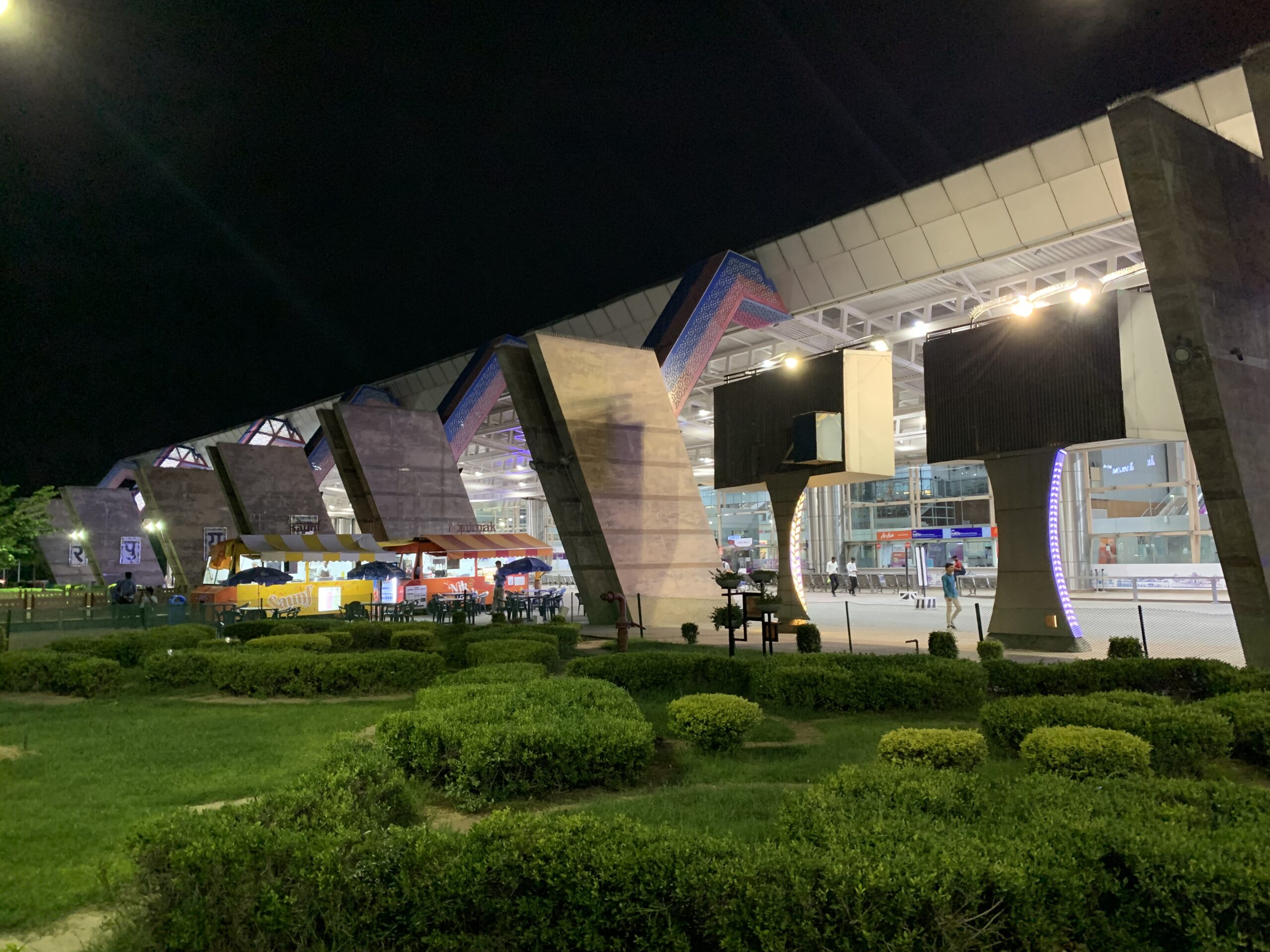
The flight was diverted to Jaipur International Airport, landing safely at around 9:35 a.m. and then escorted to an isolation bay away from normal airport operations.
There, security personnel and local law enforcement conducted inspections of the aircraft, passengers, and baggage before operations continued. All passengers safely disembarked and were transferred to the terminal following the investigation.Initial investigations suggest the alert may have been transmitted inadvertently. Jaipur’s airport chief told local media that early indications pointed to a pilot error, although the investigation is now establishing how the code was issued.
Following security checks, authorities cleared both the aircraft and crew, allowing plans for the flight’s onward journey to Delhi to proceed.
What Is Squawk 7500?
Commercial aircraft use transponder codes to communicate important information to air traffic controllers, with Squawk 7500 reserved for situations involving unlawful interference, including hijacking.
Due to the seriousness of the code, every time it is transmitted, an immediate security response follows until authorities determine whether the alert is genuine. This incident follows right after a separate alert in Europe involving a Corendon Airlines flight, highlighting the swift action authorities take in regard to the code regardless of circumstances.
The flight has reported no injuries among the 306 passengers and crew members, with authorities confirming all were safe throughout the incident. This diversion, however, demonstrates how aviation security procedures prioritise safety at a potential hijack signal and carry out immediate procedures to ensure the safety of all.
Have you ever experienced a flight diversion or emergency landing? Let us know in the comments below.