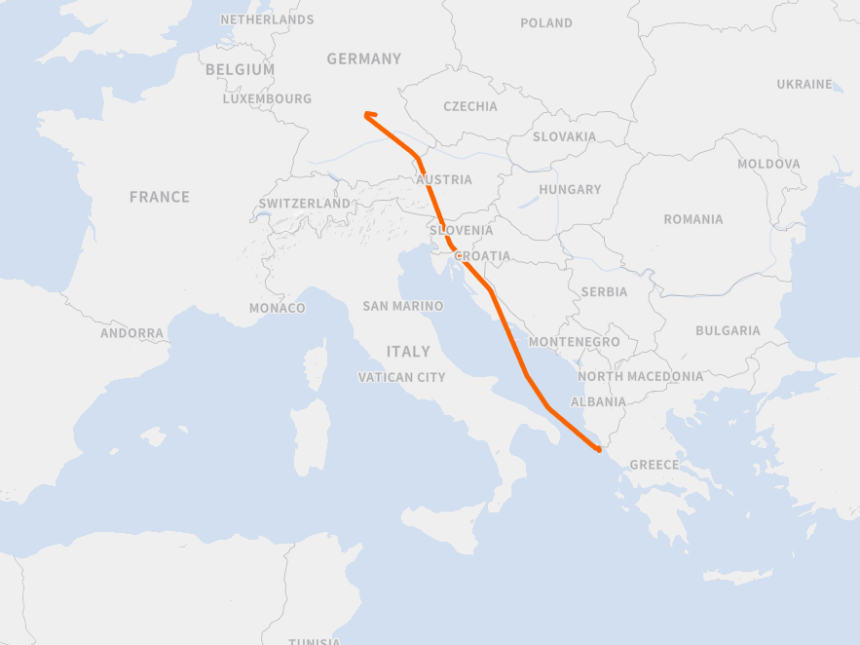
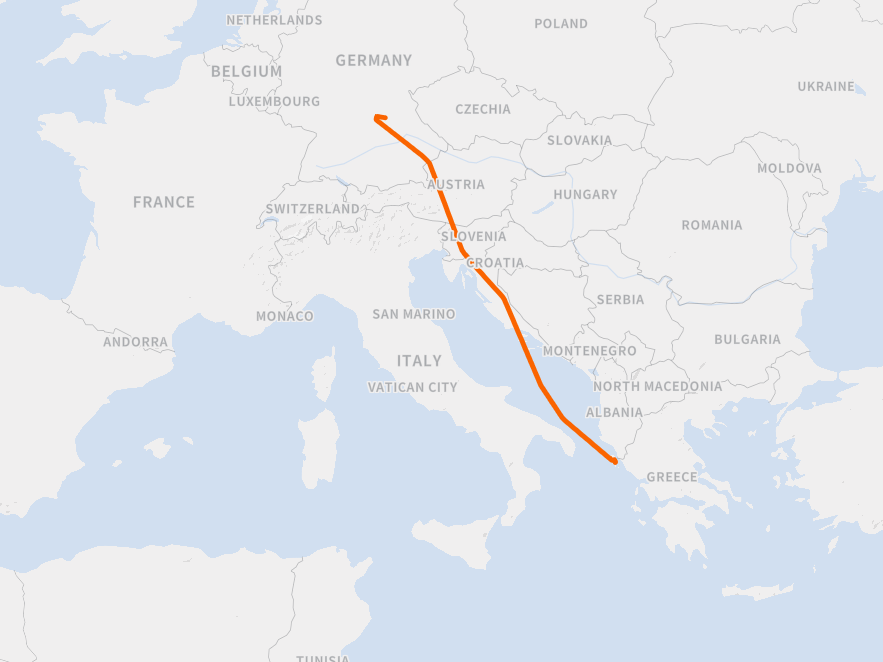
Nuremberg Airport in Germany has been temporarily closed due to a radio communication malfunction aboard a Corendon Airlines flight that triggered a false hijack alert on Oct.13. The Airlines said its Boeing 737-800, en route from the Greek Island of Corfu to Nuremberg, transmitted the emergency code 7500 that had been accidentally triggered by a radio “malfunction”.

Emergency Alert Raises Alarm
German police said Coredndon Airlines flight XR456 “inadvertently” transmitted an emergency squawk alert code that a pilot sends via the jet’s transponder to air traffic control while flying over Croatia.
Police spokesman Michael Petzold explained that authorities had
“received a code directly from the cockpit that suggested a hijacking”.
Air traffic controllers were unable to re-establish radio contact with the cockpit, the reason unknown, causing alarm to be raised further.
“The aircraft could no longer be reached by radio to clarify the situation”, prompting warnings to be activated in several European countries, police said.
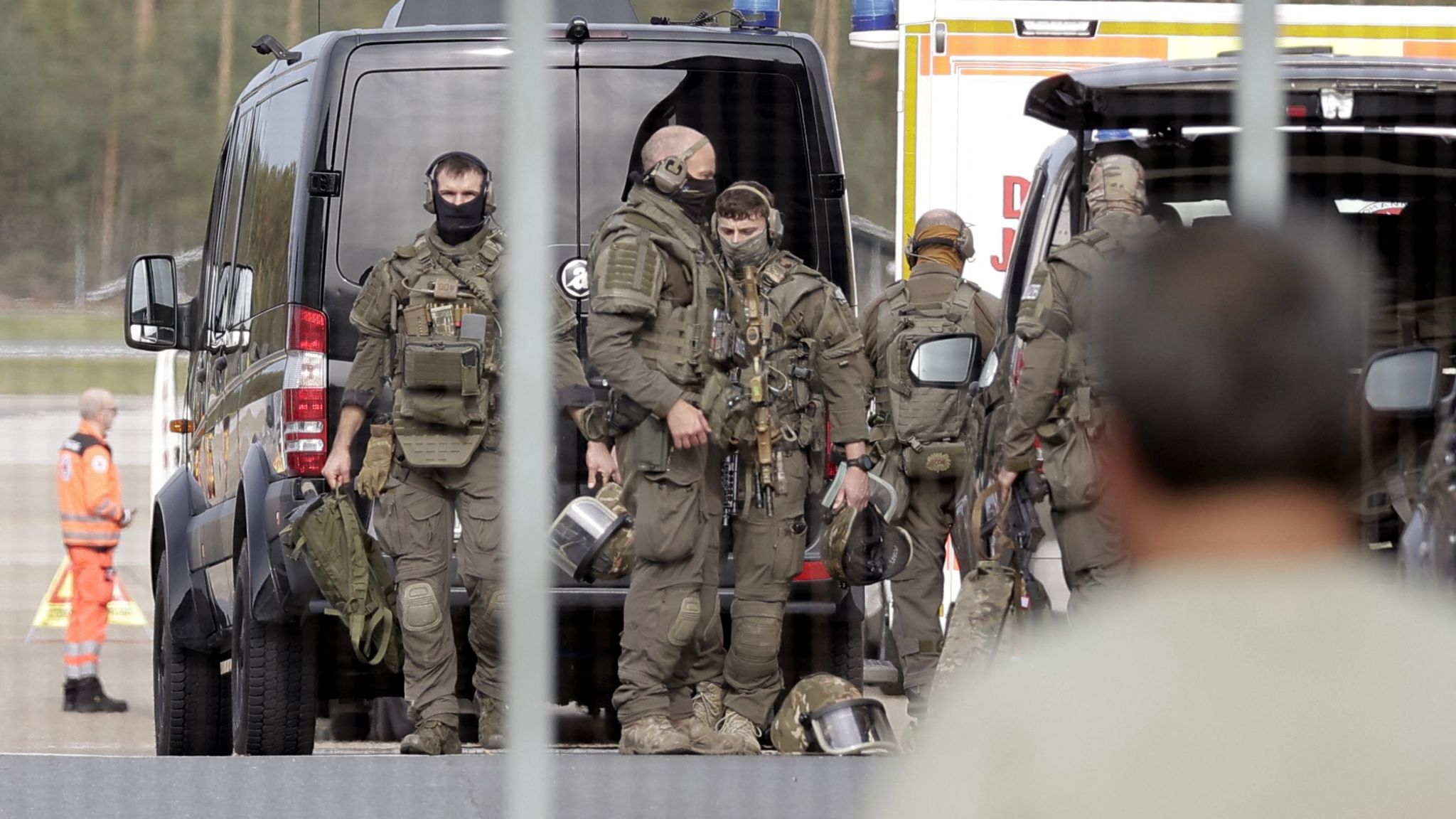
Authorities treated the situation as an aviation security emergency, with the German police clarifying their need to presume the worst-case scenario until circumstances were verified. Military aircraft were scrambled as a precaution, a Rafale fighter jet dispatched from Croatia to intercept the Boeing passenger jet while the German Air Force launched warplanes to escort the aircraft in the final stages of the flight.
Airport Operations Disrupted
Police temporarily closed Albrecht Dürer Airport in Nuremberg as a precaution until reasons for the pilot’s hijack alert were clarified. This shutdown led to operational disruption and several flights being delayed or services diverted to alternative airports.
Six flights experienced delays while two arriving flights were diverted, according to airport officials.
The aircraft eventually landed safely in Nuremberg, and the 178 passengers, alongside its flight crew, were able to disembark normally once authorities confirmed there was no actual threat on board.
Why Code 7500 Matters
Corendon Airlines confirmed the signal was caused by a malfunction in the aircraft’s radio communication system.
Commercial aircraft communicate with air traffic control using four-digit transponder codes known as “squawks”, with several emergency codes existing for serious situations.
Among them:
- 7500 – Hijacking
- 7600 – Radio communication failure
- 7700 – General emergency
Because code 7500 specifically indicates unlawful interference with an aircraft, aviation authorities treat every transmission as genuine until proven otherwise to ensure the safety of the passengers and crew aboard.
Aviation Safety Systems Worked as Intended
Though a false alert, the incident demonstrated aviation safety and security measures designed to prioritise caution, initiating a full response in this instance due to an inability to establish contact with the aircraft.
Within hours of the aircraft’s arrival, airport operations resumed, and authorities confirmed there had been no threat to passengers, crew, or the public.
What are your thoughts on the aviation industry’s emergency response procedures? Let us know in the comments below.