



Gautam Adani, Asia’s second richest person, and primary owner of the Adani Group, has initiated a massive strategic pivot that could upend India’s aviation market. Just months after his company publicly dismissed the low-margin airline sector, the $89-billion magnate is now petitioning the government to ease rules preventing airport operators from launching airlines.

A Market at Breaking Point
The Adani Group is already established as a major player in the aviation industry, operating eight airports across India, with an $11 billion expansion strategy currently underway. To increase this footprint, there are further plans to invest over $2 billion in developing commercial districts – including hotels and retail centres – across six of its airport locations. Before now, the group was strictly limited to physical infrastructure, echoed only a few months ago by the director of Adani Airports, Jeet Adani, who dismissed the idea of entering the airline business, stating that the company was strictly focused on building and running hard assets on the ground.
Despite this firm public stance, a major strategic pivot is now in motion, driven by concerns over a highly concentrated domestic aviation market. With IndiGo commanding 65.4 percent of market shares and Air India holding 25 percent, the Indian government has been growing increasingly worried about the duopoly and has nudged major business groups, including Adani, to consider an entrance into the sector, breaking up the duopoly. This push comes at a crucial time for India – one of the world’s fastest-growing aviation markets – as it has been planning a nationwide expansion of its aviation infrastructure. To accommodate for the growth in air traffic, the country aims to expand its total number of airports from 74 in 2014 to between 350 and 400 by 2047, while airlines simultaneously place record aircraft orders with Airbus and Boeing.
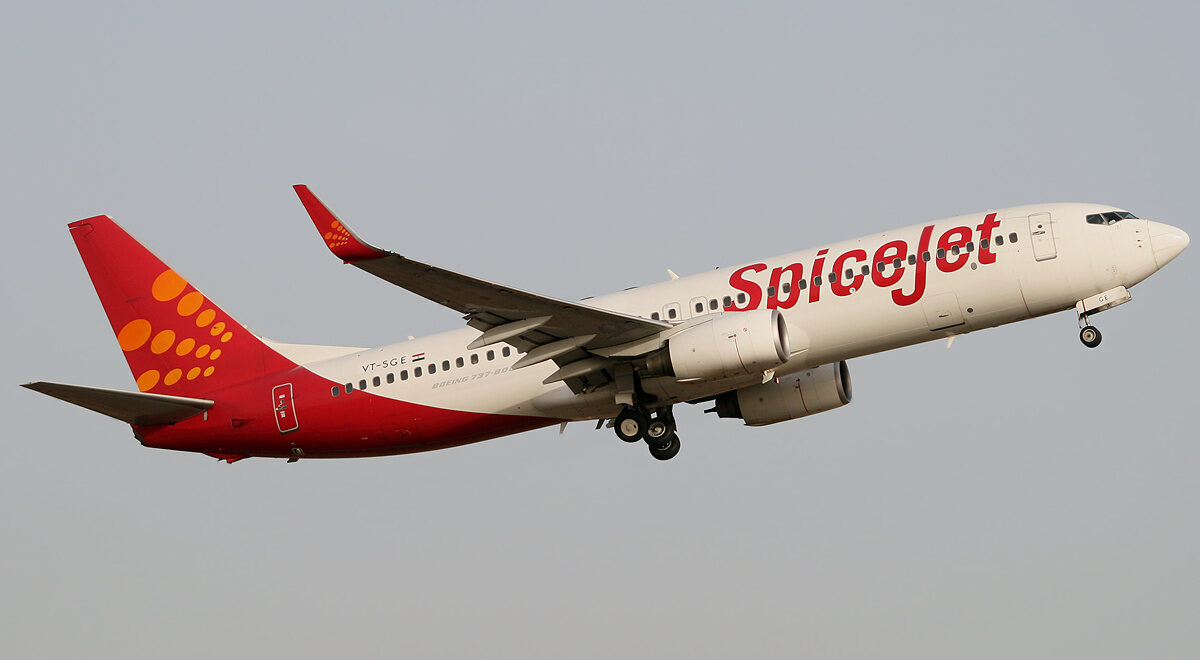
The government’s call for new entrants follows severe operational disruptions by the current market leaders. In December, the government warned IndiGo of regulatory action after a pilot shortage caused thousands of flight cancellations, stranding passengers and forcing state intervention to cap surging airfares. Concurrently, Air India has faced intense safety scrutiny and audit lapses following a fatal Dreamliner crash last year that killed 260 people. Smaller competitors are also struggling, with SpiceJet currently battling financial challenges and delayed salaries.

Regulatory Roadblocks Ahead
If Adani proceeds with an airline launch, it will be one of the boldest bets of his career due to the sector’s notoriously challenging profitability. Over the last 15 years, high taxes, fierce competition, and supply-chain snags have driven major Indian airlines Kingfisher, Jet Airways, and Go First into bankruptcy. Beyond the financial risks, the billionaire has also recently navigated severe international legal hurdles. While rapidly expanding his infrastructure empire, Adani faced charges in the United States over allegations of paying $265 million in bribes to secure a solar project. However, U.S. authorities recently decided to drop these fraud and bribery charges following a $10 billion U.S. investment pledge from the billionaire.
Furthermore, Adani must overcome significant roadblocks to enter the market. Current regulations restrict certain airport operators from holding stakes in scheduled airlines, resulting in the group actively lobbying the government to change aviation ownership regulations and dilute the clause.
Independent aviation analyst Brendan Sobie noted that:
“There are niche examples of airports also owning airlines in markets such as Kyrgyzstan, Thailand and Vietnam … Other airlines in India would rightfully be concerned about a possible conflict of interest.”
Market Reactions
The financial markets have already reacted to the prospect of a disrupted sector. Following reports, shares of the conglomerate’s flagship company, Adani Enterprises, fell by more than 3 percent. Concurrently, shares of market leader IndiGo dropped over 1 percent, while smaller rival SpiceJet surged 10 percent.
As the Adani Group awaits a government response to its lobbying efforts, the ultimate impact of this venture relies heavily on how the regulatory hurdles are handled. Rajan Mehra, the former India head of Qatar Airways, stated that an Adani entry has the potential to reshape the market, but warned that the Indian government must focus on ensuring there is a level playing field for all airlines.
Do you think Adani’s bid to enter the airline business is a necessary shake‑up or a dangerous gamble for India’s aviation industry? Let us know in the comments.







I think it is a long game and Adani can play if he wishes to back them up with his capital.