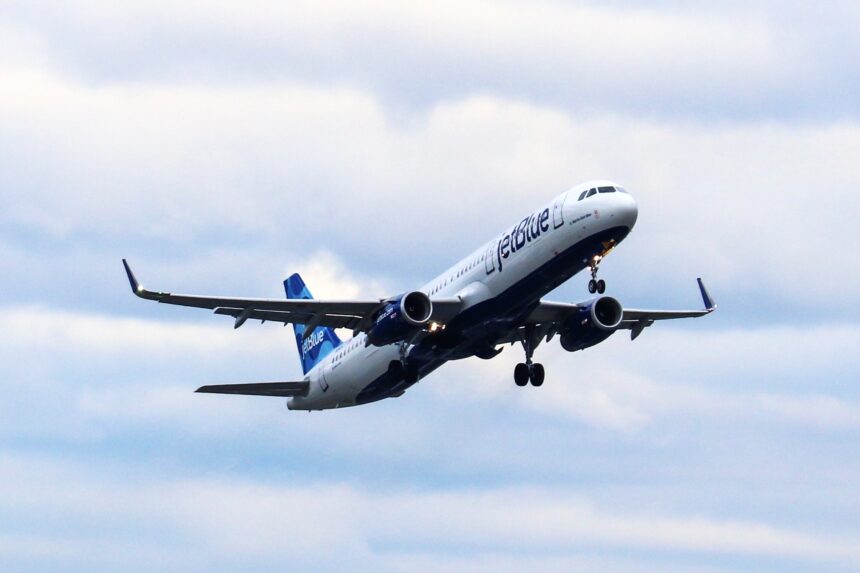
The Airbus A321 series is one of the most successful and adaptable narrow-body aircraft families in aviation history. This Airbus series has adapted to satisfy the shifting needs of airlines around the world. The A321ceo led the way, followed by the A321neo, A321LR, and A321XLR. The A321 series provides an attractive combination of efficiency, capacity, and range for ultra low-cost carriers (ULCCs), which are airlines that prioritise minimising operating costs while maximising passenger volume.
This article covers each variation of the A321 series in depth. This article also covers the characteristics, capabilities, and revolutionary effects of each aircraft on the ULCC market. Let’s dive in!
-
The A321ceo: The Original Iteration of the Family
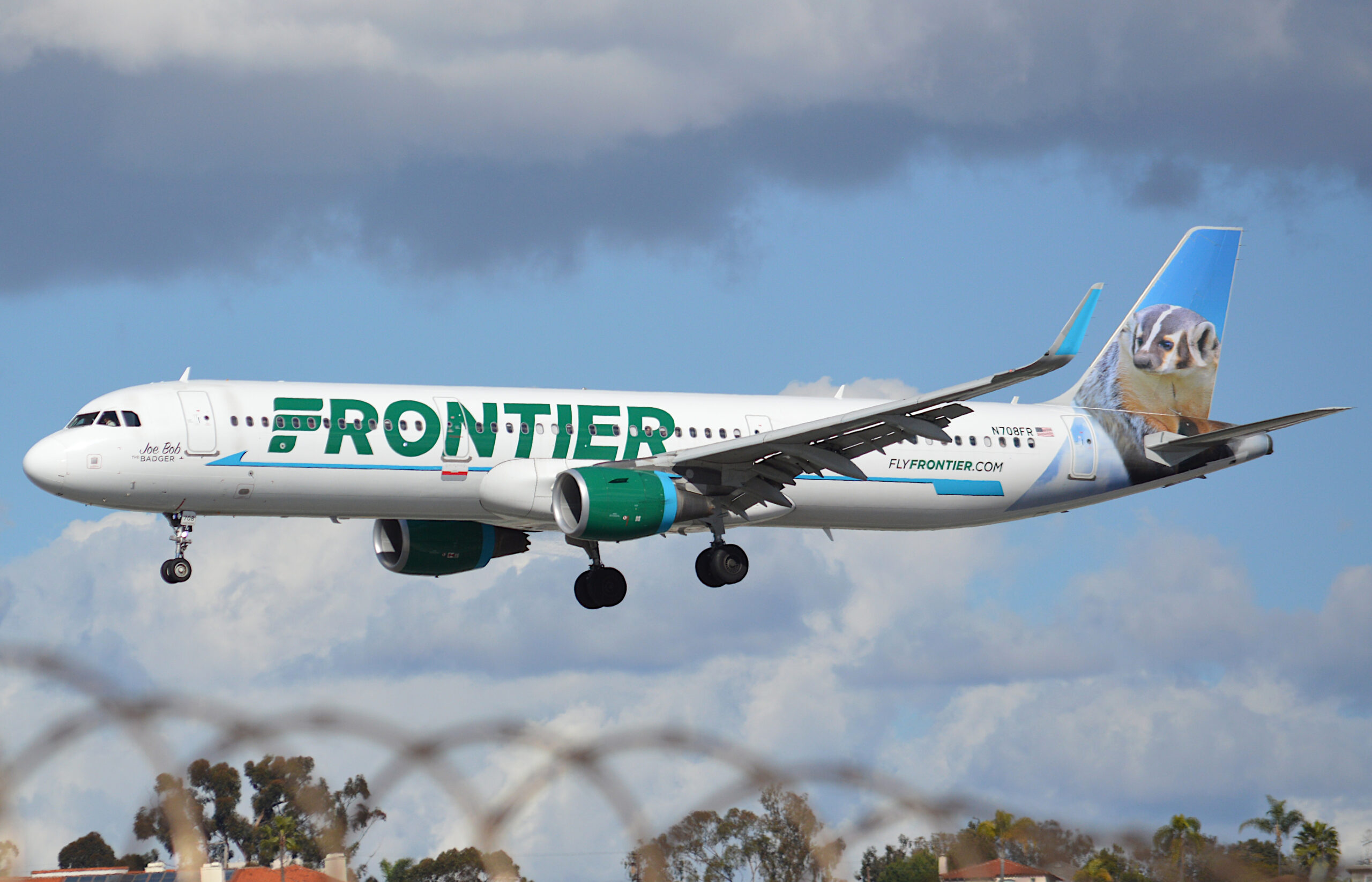
Originally revealed in 1994 by Lufthansa, the Airbus A321ceo, often known as the “current engine option,” reflects the first variant of the A321 series. Designed to be an extended variation of the A320, the A321ceo was meant to transport more passengers, up to 236, in a high-density, single-class arrangement over short to medium-haul routes. With a length of 44.51 metres, it features a fuselage 6.94 metres longer than the A320, therefore providing more seating capacity without compromising the operating efficiency of a narrow-body aircraft.
Driven by either CFM International CFM56 or International Aero Engines V2500 turbofan engines, the A321ceo has a range of around 3,200 nautical miles with sharklet-like wingtips, subsequently added to improve fuel economy. Although the expanded fuselage increased weight, which shortened its range compared to that of the A320, the A321ceo soon became a favourite among airlines that put effort into covering routes with strong demand using a single-aisle aircraft.
A pillar of the ultra-low-cost model, the A321ceo provided a reasonably priced approach for ULCCs to load more people onto a single journey, therefore lowering per-seat running costs.
-
The A321neo: New Engine Option Campaign
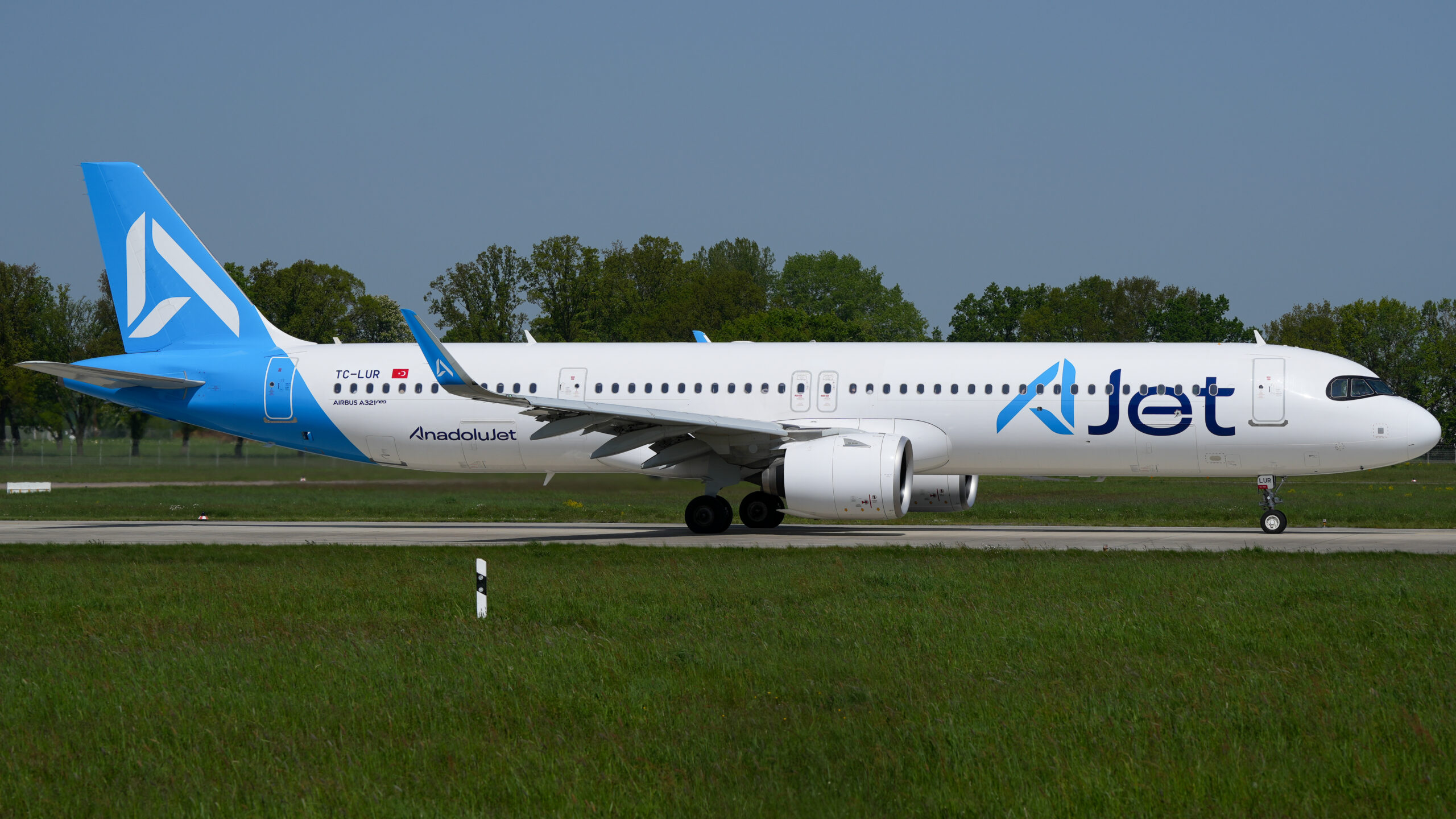
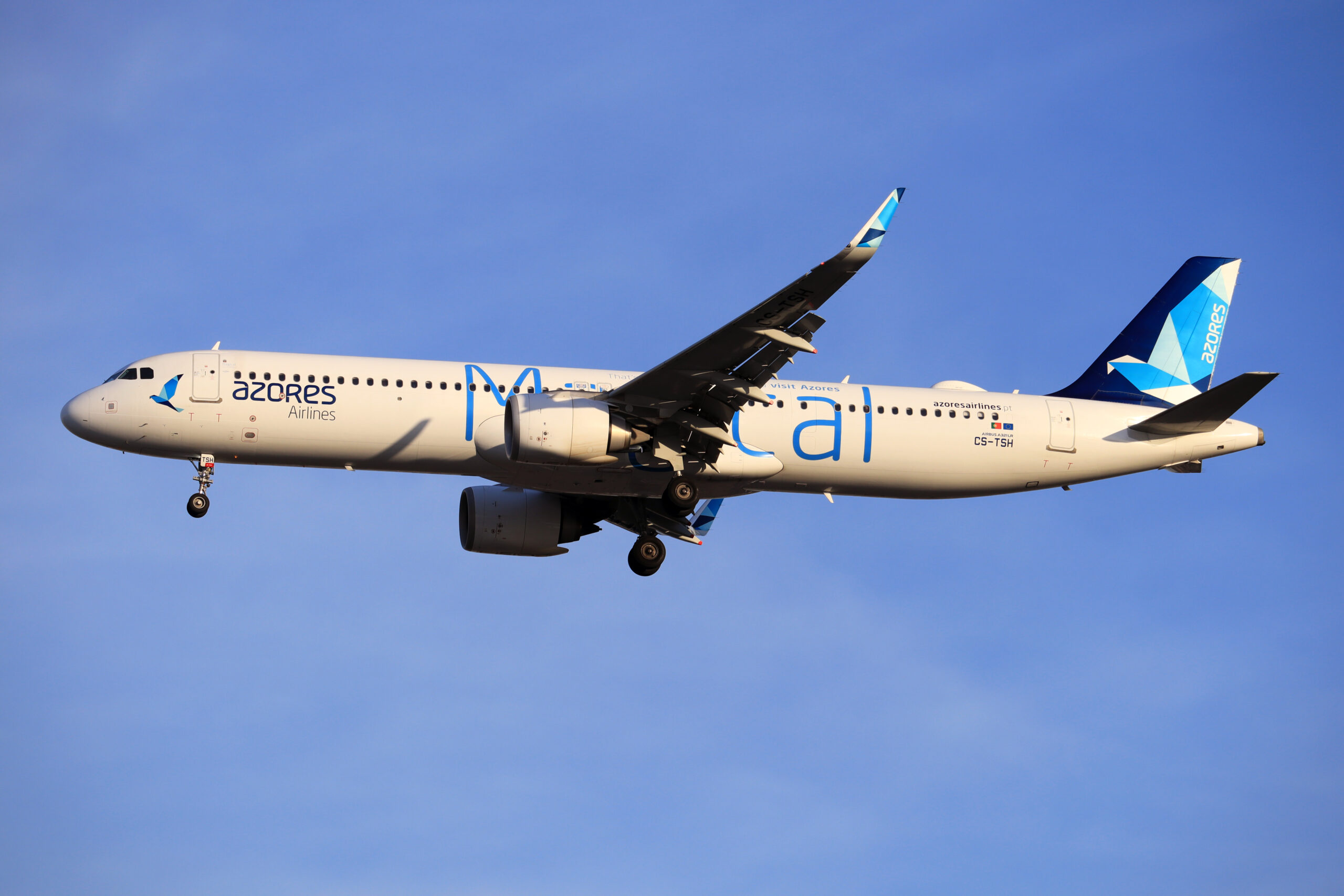
Originally revealed in 2010 under Airbus’ “New Engine Option” campaign, the A321neo improved the A321 platform substantially. First joining Virgin America in 2017, the A321neo has next-generation engines, either the CFM International LEAP-1A or Pratt & Whitney PW1100G-JM, paired with aerodynamic enhancements, including sharklets, as standard.
Together with lower noise levels and pollutants, these improvements provide up to 20% higher fuel economy per passenger than the A321ceo.
Maintaining the same fuselage length as its predecessor, the A321neo increases its range to 4,000 nautical miles, with a maximum capacity of 244 people in a single-class configuration (180-220 in a normal two-class arrangement). For airlines, this wider reach and reduced running costs created new opportunities, including ULCCs wishing to grow outside conventional short-haul routes.
The A321neo’s efficiency changes everything for the ULCC market. Airlines have embraced it to maximise high-density routes and maintain cheap prices.
-
The A321LR: Long-Range Flights
Based on the A321neo platform, Airbus introduced the A321LR (Long Range) in 2015. The aircraft can reach a maximum take-off weight of 97 tonnes and accommodate up to three auxiliary fuel tanks. The A321LR improves the neo’s capabilities, thereby increasing its range to 4,000 nautical miles. With a normal two-class capacity of 206 people, this lets the aircraft fly transatlantic routes, such as Miami to Santiago or New York to London.
The A321LR preserves the A321neo’s fuel economy and high-density capability, making it an appealing alternative for airlines looking to replace ageing Boeing 757s or service “long route” markets with modest demand that do not require wide-body aircraft. Its airspace interior, with bigger seats, larger overhead bins, and customisable lighting, improves passenger comfort on extended trips.
For ULCCs, A321LR increases operating flexibility. Jet SMART has used the aircraft to connect smaller cities across the continent, providing affordable pricing on formerly unprofitable flights. The capacity to fly longer distances at a cheap cost per seat allows ULCCs to enter markets formerly designated for full-service airlines, disrupting the status quo in long-haul travel.
-
The A321XLR: The Longest Range of Single-Aisle Aircraft
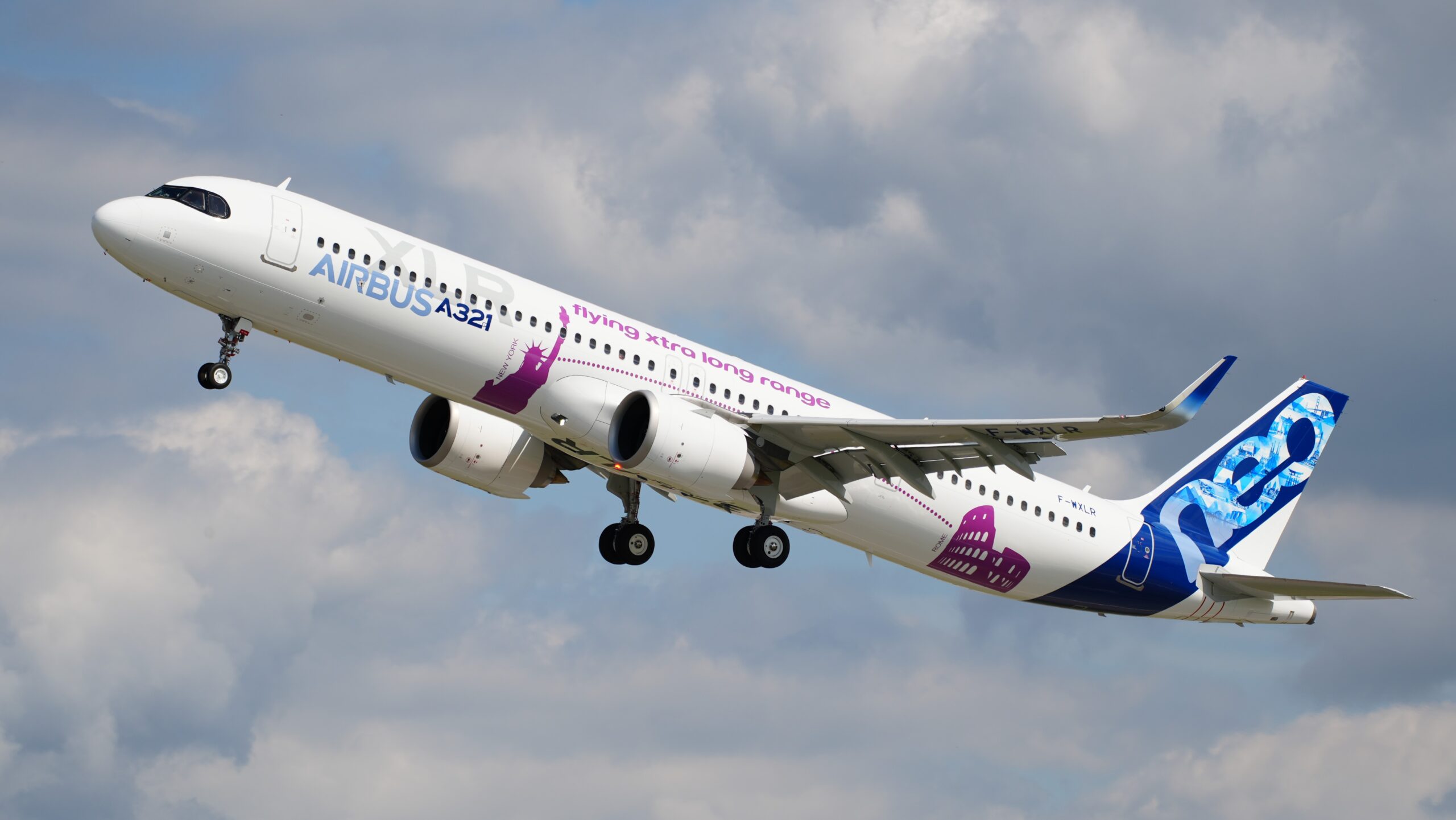
The A321XLR (Extra Long Range) was revealed at the 2019 Paris Air Show and has been in service with Iberia since November 2024. This aircraft elevates the A321 series to unprecedented heights. The A321XLR has a range of 4,700 nautical miles. The A321XLR boasts the longest range of any single-aisle aircraft, with the ability to fly nonstop for up to 11 hours. The aircraft is capable of connecting far-off cities like London, Miami, and Sydney. This is accomplished with a permanent rear centre tank (RCT) that holds 12,900 litres of fuel, an optional forward ACT, and an enhanced MTOW of 101 tonnes, all supported by stronger landing gear.
The A321XLR significantly transforms the game for ULCCs. It allows airlines to pursue international expansion, such as routes from India to Europe or Southeast Asia, without the overhead of wide-body operations. The aircraft boasts a 30% reduced fuel burn per seat compared to previous-generation aircraft. ULCCs seeking disruptions in long-haul travel at ultra-low costs find it an ideal option due to its flexibility to service specialised markets.
How the A321 Series has an impact on the future of ULCCs
The Airbus A321 series has elevated the ULCC sector from a minor player to a worldwide powerhouse. With the A321XLR, ULCCs may now target long-haul routes previously believed unachievable for single-aisle planes, delivering lower tickets than established airlines while remaining profitable.
For passengers, this means more direct flights, wider selection, and lower rates. For ULCCs, it’s an opportunity to reinvent their position in aviation, capitalising on the A321’s agility to grab unexplored markets. Whether it’s the fundamental efficiency of the A321ceo or the limit-pushing range of the A321XLR, this series continues to prove that small packages can offer enormous opportunities.
Have you ever travelled in one of the A321 series aircraft? Comment down to let us know.