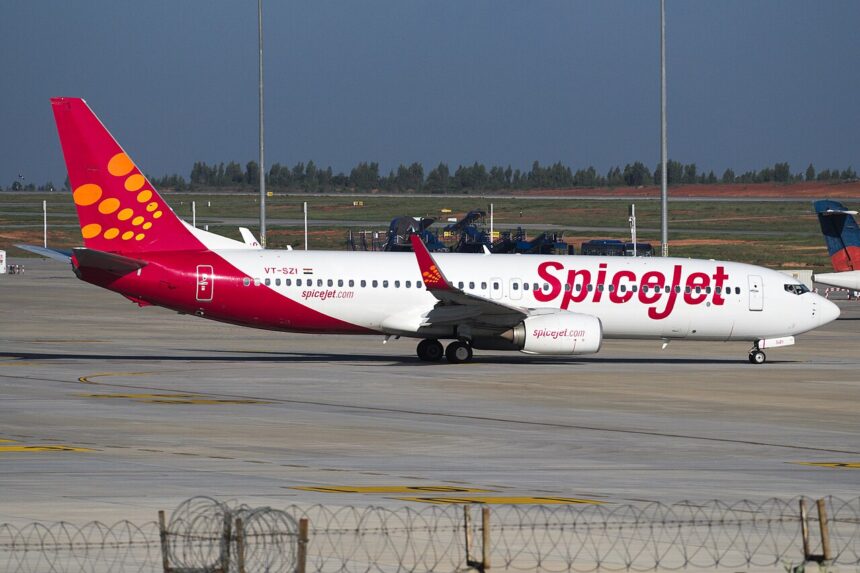
India’s aviation regulator is currently monitoring SpiceJet because of financial and operational strain. SpiceJet has faced growing economic pressure from ongoing cash-flow issues and from the conflict happening in the Middle East, according to Reuters.
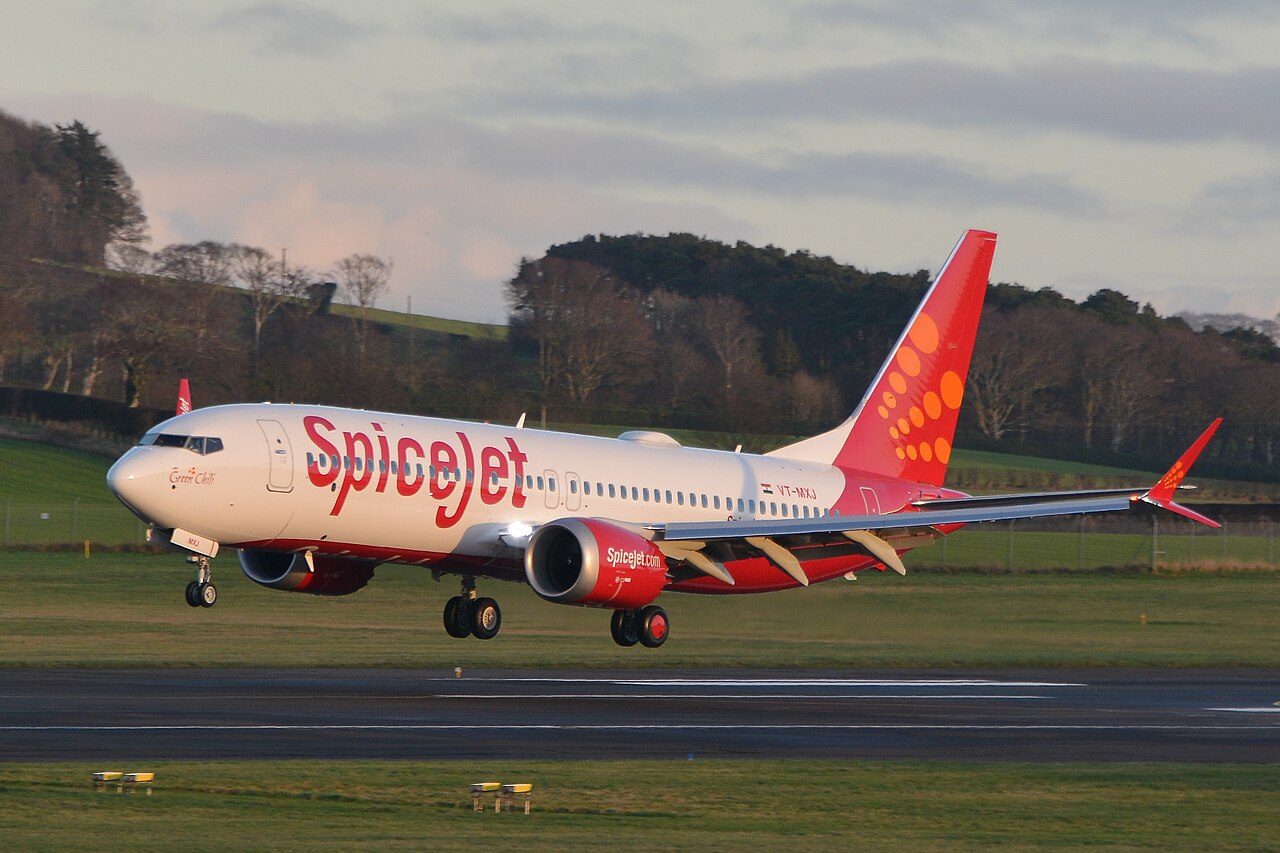
India monitors airline SpiceJet.
The Indian government is assisting SpiceJet, as India’s Civil Aviation Minister Ram Mohan Naidu stated that the Directorate General of Civil Aviation (DGCA) will closely monitor the airline to ensure operations continue without any safety concerns.
According to Naidu, government involvement is limited because the company is privately owned. The carrier was, however, given 1.5 billion Indian rupees in support, with authorities extending the Emergency Credit Line Guarantee Scheme: a scheme which aims to help out companies in need of additional monetary support.
SpiceJet had delayed salary payments to its employees this year, with employees reportedly having not received any pay for long periods of time, according to a Reuters investigation released in June 2026.
Naidu, along with official DGCA data, reported that the airline’s domestic share has been declining, with it having fallen by 0.4% from the 1.6% recorded in July.
At the beginning of this year, the airline received a Memorandum of Understanding (MoU) for induction of 10 aircraft into its fleet, in hopes of further developing the airline’s expansion, according to Debojo Maharshi, Chief Business Officer of SpiceJet, who said,
“Doubling our capacity in the last quarter has been a significant milestone, and the plans we have in place to more than double it further this year reflect growing confidence in the business and strong demand across the network. The receipt of this MoU is an encouraging development as we continue to rebuild and expand our operations in a measured manner.”

Aviation safety
Ram Mohan Naidu commented on supporting SpiceJet’s safety and operations,
“Our major priority right now is to ensure the passengers shouldn’t face any inconvenience, the safety shouldn’t be compromised at any cost in terms of operations, and then smooth operations are sustained within the airline”
India’s airlines have faced mounting pressure amid recent safety issues. Investigations into various plane incidents have involved multiple regulatory bodies such as the Air Accidents Investigation Branch (AAIB), the U.S. National Transportation Safety Board (NTSB) and the Federal Aviation Administration (FAA), increasing international involvement and public concern.
What do you think about India’s aviation safety regulations? Let us know in the comments below.