

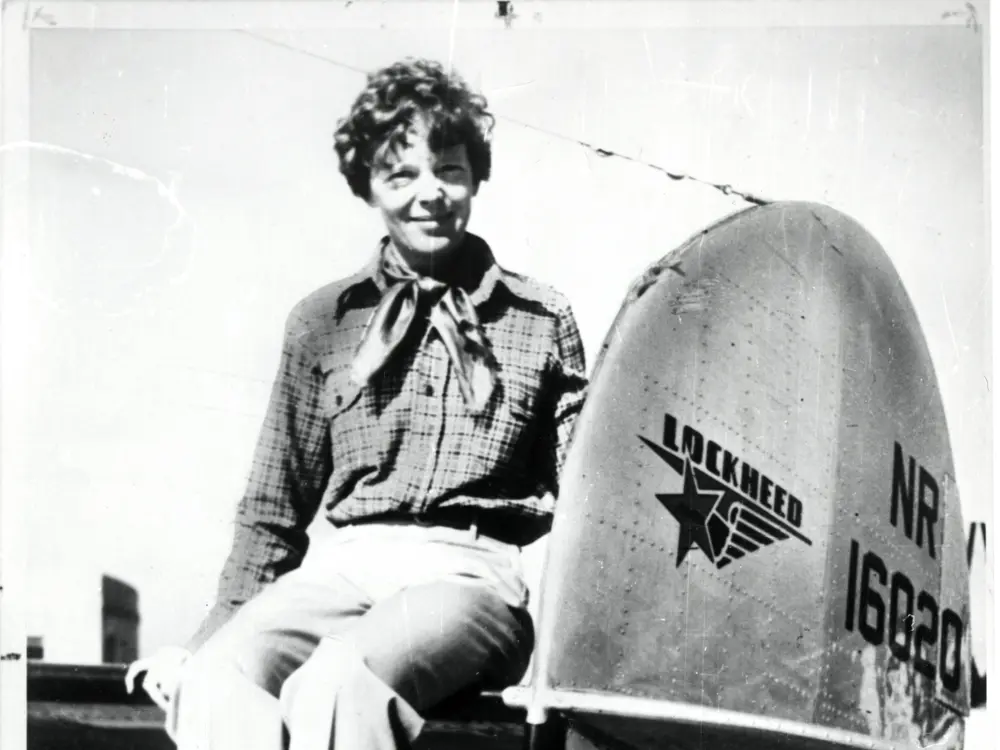
In 1937, Amelia Earhart set out to fly around the world. She would have been the first woman to circumnavigate the globe by air, until she disappeared after flying more than 22,000 miles.
Her Second Attempt to Fly Around The World
Earhart had an earlier attempt in March 1937, which ended after a crash during takeoff in Hawaii. Her second attempt began from Miami on June 1, 1937.
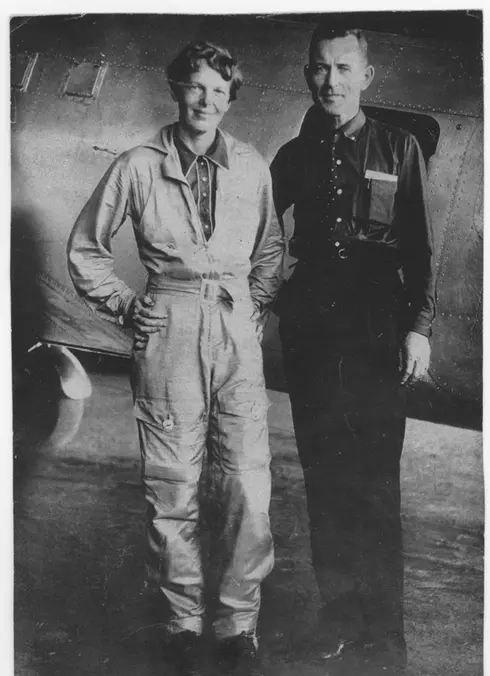
At the time, Earhart, like many other pilots, mostly focused on piloting and left more technical aspects of flying to a navigator. In this case, Earhart had two navigators, Fred Noonan and Harry Manning. However, Earhart became dissatisfied with Manning before the start of this attempt and Noonan became her sole navigator.
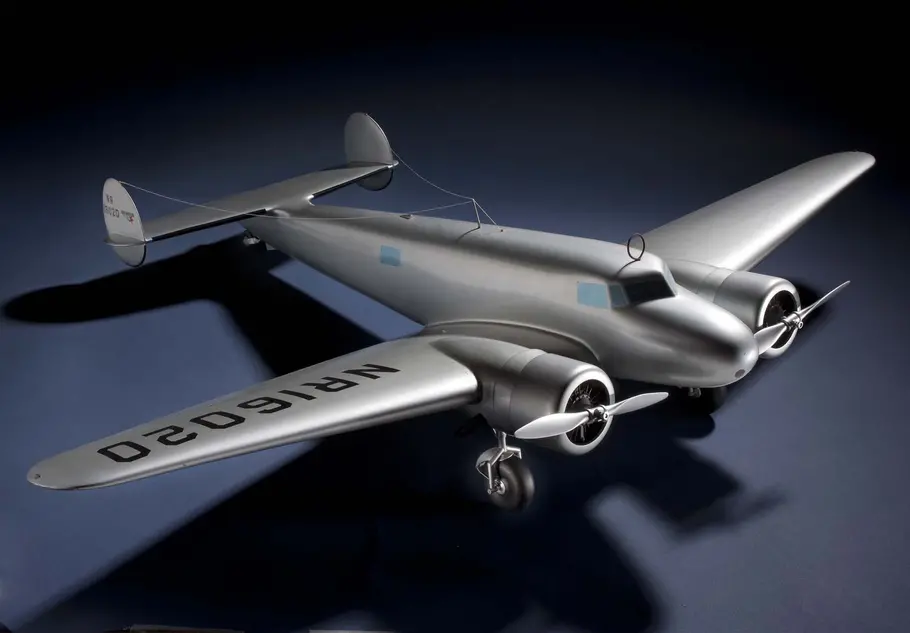
They planned to fly around the world in a series of 34 legs in the aircraft Lockheed Electra 10E, which was a popular aircraft for distance flying at the time.
The Final Flight
On the 31st leg, Earhart had chosen to go around a Southern route that avoided poor weather often found from Siberia to Alaska. However, it is crucial for aircraft flying this route to have enough range or maximum distance that it could fly because the aircraft will fly over open water for extended periods of time.
The aircraft that Earhart used, the Lockheed Electra, did not have the range to fly the demanding route from Lae to Howland Island. To manage this, she had planned to stop at Howland Island, a small, remote and isolated island to refuel.
On July 2, 1937, Amelia Earhart and Fred Noonan planned to fly an 18-hour flight east, spanning 2,556 miles.
At 2:45 a.m., radio operators on the Itasca began to receive Earhart’s intermittent voice messages. Her radio signal strength became progressively stronger, indicating that she was close to Howland.
At 7:58 a.m., they received Earhart’s strongest radio voice signal with very good reception, though Earhart indicated that they were lost and running low on fuel.
At 8:43 a.m., they received another transmission with very good reception, which turned out to be her last transmission.
The Search for Earhart and Noonan
Nearly 90 years later, Earhart’s disappearance remains unsolved. The U.S. Navy and Coast Guard conducted an extensive search for Earhart and Noonan, which became the most expensive air and sea search in American history up to that time. The official search was called off in mid-July, but no trace of Earhart, Noonan or the aircraft was found.
Earhart was legally declared dead on Jan. 5, 1939.
The United States Government Official Search Report indicated that Earhart and Noonan ran out of fuel and crashed into the Pacific Ocean near Howland Island. To date, no definitive wreckage of the aircraft or remains of Earhart and Noonan have been found.
Air Navigation in Amelia Earhart’s Time
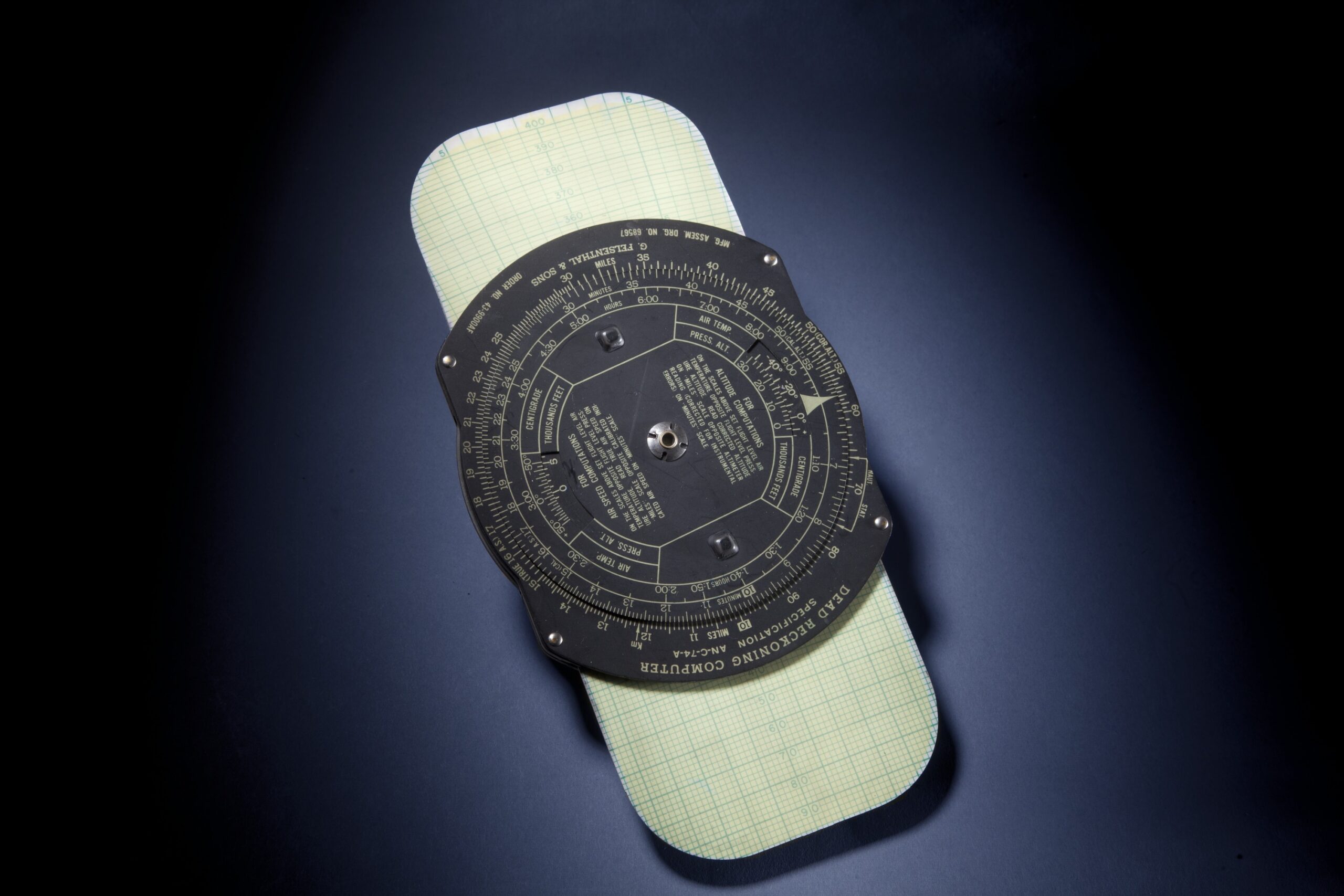
With navigation technology less developed than it is today, air navigators relied on instruments such as an earth-induction compass and a clock.
Navigating over the ocean relied on celestial navigation, which involved calculating their location from the stars, and dead reckoning navigation, which means estimating your position based on a previous known location, speed and time travelled.
These methods had long been used in maritime navigation, but adapting them to aircraft posed a challenge. Aircraft travelled at high speeds, and were affected by changing weather conditions and turbulence. Additionally, the limited space inside the aircraft made navigation more difficult.
These factors could make it challenging for Amelia Earhart and Fred Noonan to accurately navigate their position in the sky, particularly when flying long distances over open ocean.
Do you think navigation challenges played a key role in Amelia Earhart’s disappearance? Let us know in the comments!