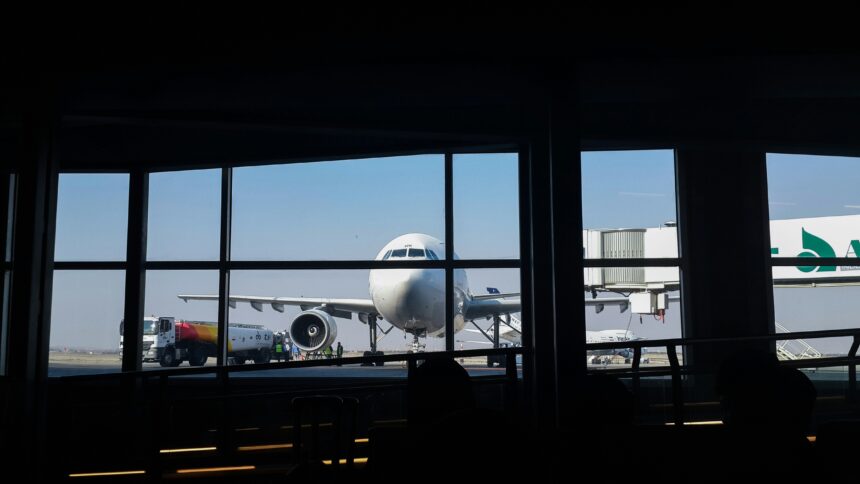
The United States imposed sweeping new sanctions on Iran’s aviation sector on Tuesday, Sept. 8, targeting 36 entities in an effort to restrict the country’s access to international aviation and financial networks. The measures include sanctions on 27 Iranian airlines and foreign companies accused of helping Iran obtain aircraft, aircraft parts, and other aviation services.
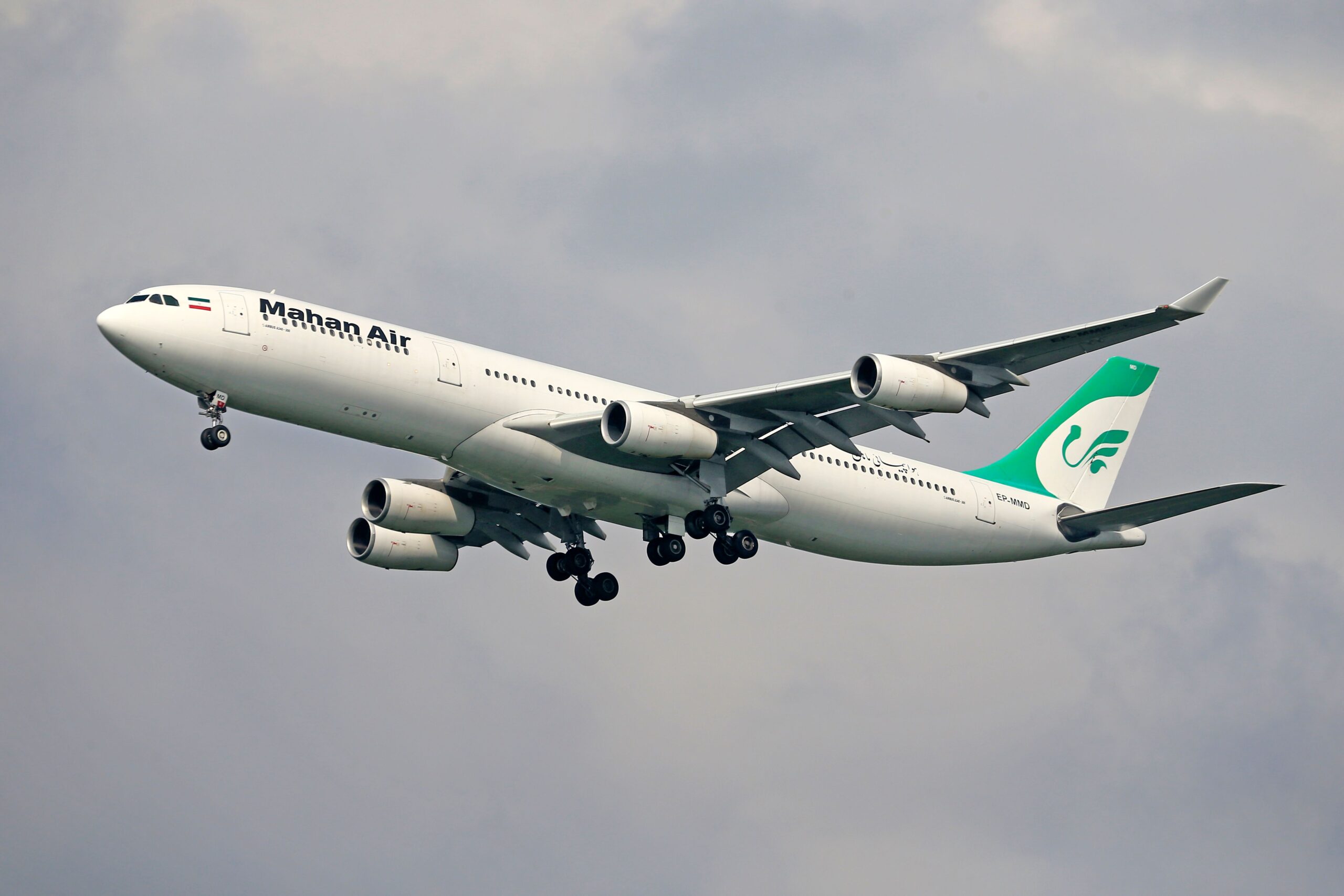
New Sanctions Target Iran’s Aviation Supply Chain
The Treasury Department said the new measures target Iranian airlines as well as companies in Turkey, the United Arab Emirates, Malaysia, and Kazakhstan that it says have supported Iran’s aviation industry. The action also targets networks accused by the U.S. government of helping Mahan Air obtain at least three Boeing 777 aircraft this summer.
According to Treasury, the aircraft were moved through third countries before reaching the Iranian carrier. Mahan Air has been under U.S. sanctions since 2011 over its alleged support for Iran’s Islamic Revolutionary Guard Corps-Quds Force.
The sanctions reach beyond aircraft. The Treasury Department said foreign cargo providers and general sales agents that have serviced Mahan Air’s international flights were included in the sanctions. The department said some of the targeted companies coordinated shipments to Iran and helped provide access to U.S.-origin parts and other aviation-related goods. Treasury Secretary Scott Bessent warned companies still working with Iran’s airlines that they could face wider financial restrictions.
“Let this be a warning to anyone doing business with Iran’s remaining airlines, all of which we sanctioned today: You are at risk of being cut off from the global financial system,” Bessent said

U.S. Suspends Aviation Authorizations
The measures also change the rules governing some aviation activity involving Iran. The Treasury Department’s Office of Foreign Assets Control suspended three Iran-related aviation authorizations, including provisions covering overflights and allowing foreign airlines to operate commercial aircraft manufactured in the United States or controlled by U.S. entities into Iran. Aviation safety-related requests will be considered on a case-by-case basis, Treasury said.
The latest action is part of the Trump administration’s broader Operation Economic Outcast, which Treasury says is intended to cut off financial channels supporting the Iranian government and the Islamic Revolutionary Guard Corps. The Department said Tuesday’s sanctions represent its first designations of Iranian airlines under new aviation-sector determination issued on Aug. 24.
The new restrictions may make it more difficult for Iran to maintain and expand its commercial aviation operations, particularly as the country relies on third-country networks to obtain aircraft, parts, and services. According to recent reports, the measures could also affect air traffic through major regional hubs such as Dubai, Doha and Istanbul.
The latest sanctions mark a significant expansion of U.S. restrictions on Iran’s aviation sector, with both Iranian carriers and overseas companies included in the action. The Treasury Department said the measures will remain part of its broader effort to disrupt networks supporting Iran. As the measures take effect, their impact will depend on how affected airlines, aviation suppliers, and international partners respond to the new rules.
How will these sweeping restrictions impact global travel routes and regional hubs? Share your thoughts in the comments below.