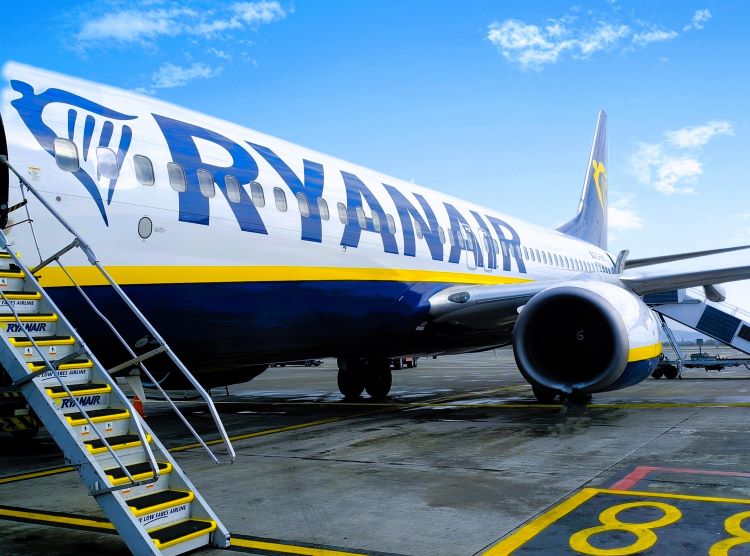
Ryanair is reducing its winter schedule and lowering its full-year traffic guidance in a response to rises in fuel costs linked to the U.S.-Iran conflict. The airline has cut its fiscal 2027 passenger target from 216 million to 214 million and will remove around two million seats from its winter timetable – the equivalent to up to 13,000 flights.
Rising Fuel Costs Drive Capacity Cuts
The changes follow a sustained increase in energy prices. Oil reached $97 a barrel on Sep. 2, while jet fuel is trading at about $140 a barrel amid disruption to supply routes through the Strait of Hormuz. Ryanair has hedged 80% of its fuel needs through March 2027 at approximately $67 a barrel, but the remaining 20% is exposed to current market rates. The airline expects the winter capacity reduction to lower seasonal losses by 70 million euros to 100 million euros.
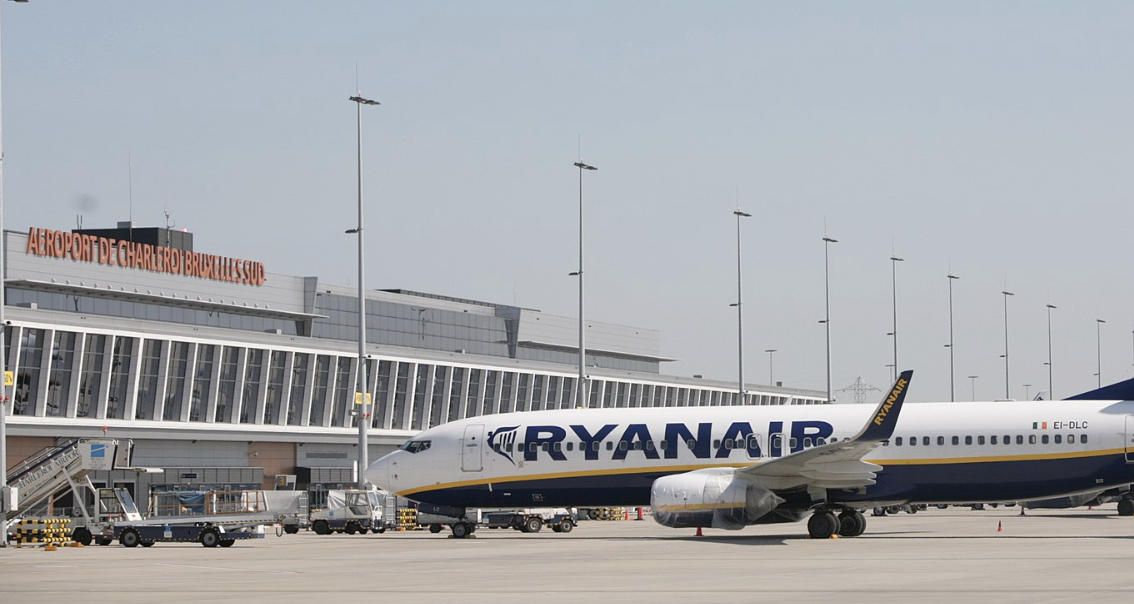
The cuts form part of a wider pattern of network consolidation. In Belgium, Ryanair has withdrawn five aircraft from its Charleroi base and reduced two million seats across Brussels-Zaventem (BRU) and Charleroi (CRL) for the coming winter and summer seasons. Previous changes included the removal of 25 routes and 750,000 seats in France, ending services to Strasbourg and Brive. Additional reductions have been made in Spain, Greece and Portugal, including the closure of the Thessaloniki base and the suspension of all flights to the Azores.
Strong Summer Demand
Despite the fuel shock, Ryanair’s recent operational performance remained strong. The airline carried 22.2 million passengers in August, a 6% increase year-on-year, operating more than 120,500 flights with a 96% load factor. More than 400 flights were cancelled throughout the month due to volcanic activity at Mount Etna. Summer traffic from April to October is expected to rise from 138 million to 145 million passengers, while winter volumes are not expected to change.
Ryanair has warned that sustained high oil prices may challenge less-hedged competitors, potentially leading to further capacity reductions across Europe. The airline has indicated that short-haul fares could increase materially by summer 2027 if fuel costs remain elevated. This contrasts with the second quarter, when fares moved modestly to support demand.
Ryanair shares, which have fallen 20% since the conflict began, rose 2% following the announcement.
Do you think airlines are right to cut capacity when fuel prices surge? Let us know in the comments.