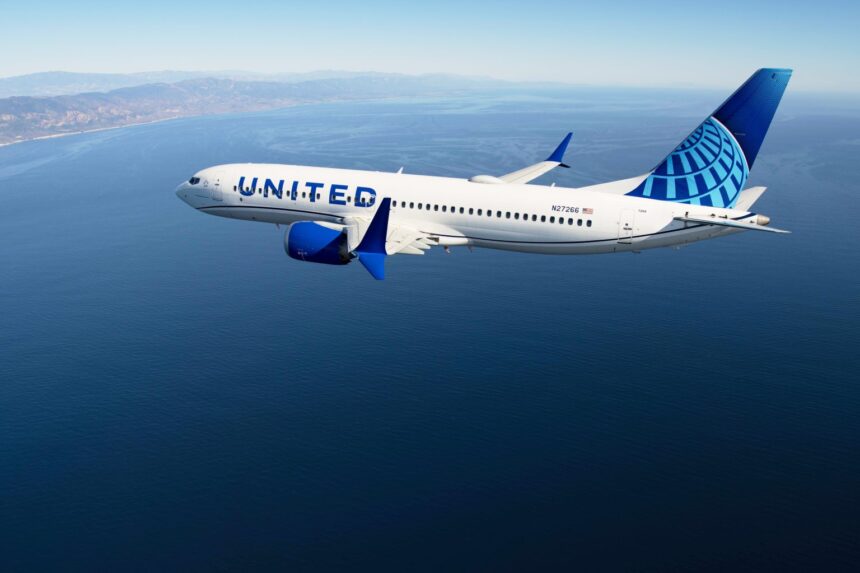
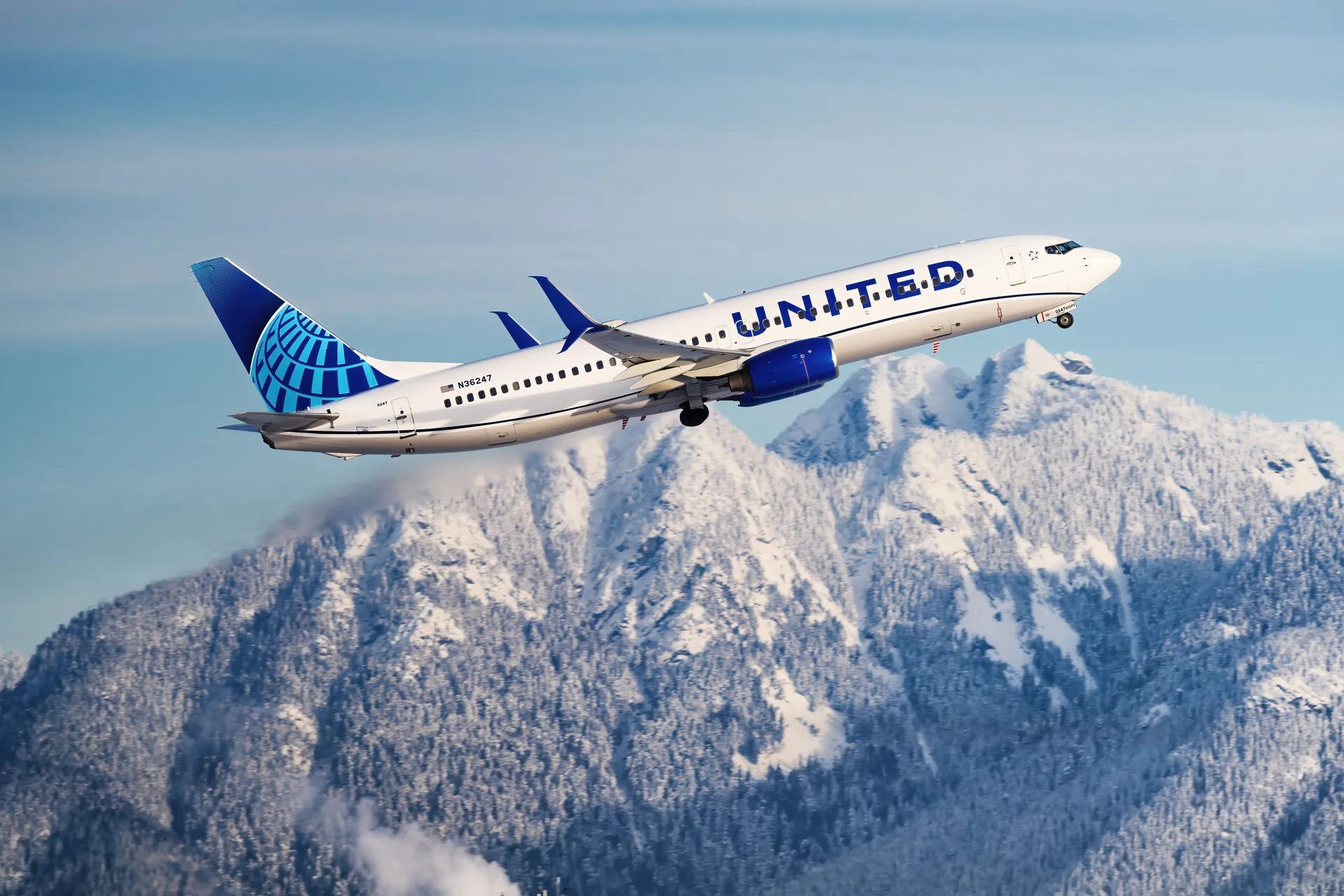
United is expanding into the international market, launching 10 new routes that move the carrier beyond traditional U.S. hubs and into markets competitors have largely ignored, including new links to secondary European cities as its A321XLR enters service.
United Airlines will add 10 new international destinations next summer in what it describes as the most extensive expansion in its history, a move that pushes the carrier deeper into secondary European markets long ignored by its American rivals. The new cities – ranging from Okinawa in Japan to Ljubljana in Slovenia – include eight where no other U.S. airline currently offers nonstop service.
Patrick Quayle, United’s senior vice president of global network planning, said the airline is deliberately pursuing destinations that fall outside traditional modelling, arguing that traffic data often masks the true potential of cities reached only via European hubs. Ljubljana, he noted, is the type of market competitors dismiss.
The expansion also places United in direct competition with Delta Air Lines in Italy’s island markets. Delta entered Catania in 2025 and Olbia in 2026; United will fly from Newark (EWR) next summer using Boeing 767s, ending Delta’s brief monopoly. The carrier will also introduce three new links to existing international destinations – Los Angeles to Osaka, Washington Dulles to Milan and Denver to Paris – and restore San Francisco-Tel Aviv from March.
United’s leadership frames the strategy as part of a broader repositioning of the airline as a premium, globally oriented brand. Quayle said United has a 90 percent success rate on new routes it continues to operate and expects at least nine of the 10 additions to perform strongly. Adding:
“If these routes don’t succeed, it will be because we didn’t give them the chance, but our track record shows they almost always do. We’re confident these cities will mature quickly once travellers realise they can reach them nonstop,” he said.
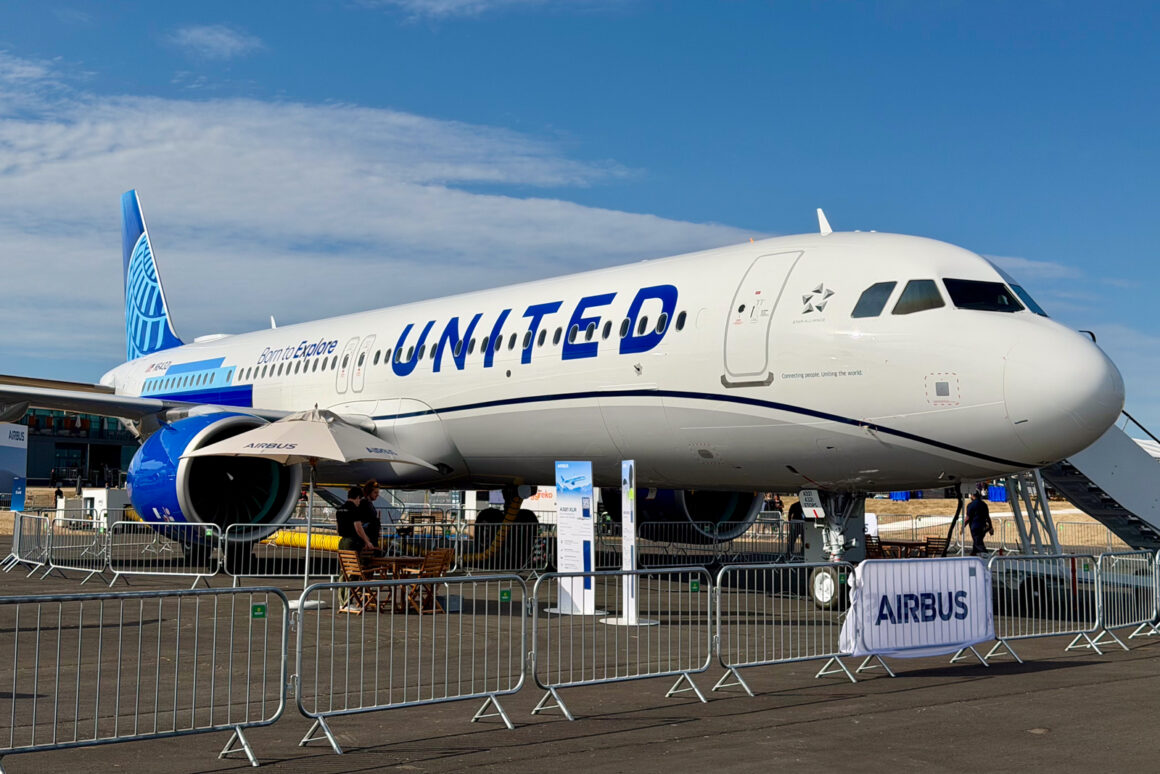
Much of the expansion is enabled by the arrival of United’s Airbus A321XLR, a long‑range single‑aisle aircraft that allows the airline to serve thinner transatlantic markets without deploying widebodies. The XLR will make its international debut on Dec. 1 2026 from Washington Dulles (IAD) to Amsterdam (AMS) and Dublin (DUB) before being assigned to Luxembourg, Toulouse, Ibiza, Valencia and Marseille in 2027.
United has opted for a low‑density 150‑seat layout, well below Airbus’s typical two‑class range, to emphasise premium leisure demand. The aircraft includes 20 Polaris suites with privacy doors, 12 Premium Plus recliners, four lavatories, expanded galleys and upgraded inflight technology, including 4K screens, Bluetooth connectivity and free Starlink Wi‑Fi for MileagePlus members. A new Economy Plus row with an open middle seat is designed to offer additional space on longer flights.
The carrier expects Airbus to deliver the aircraft in time for the 2027 season, while Boeing’s 737 MAX 10 will remain unscheduled until certification, with deliveries anticipated next summer.
Do you think there is demand for more international routes? Let us know in the comments.