
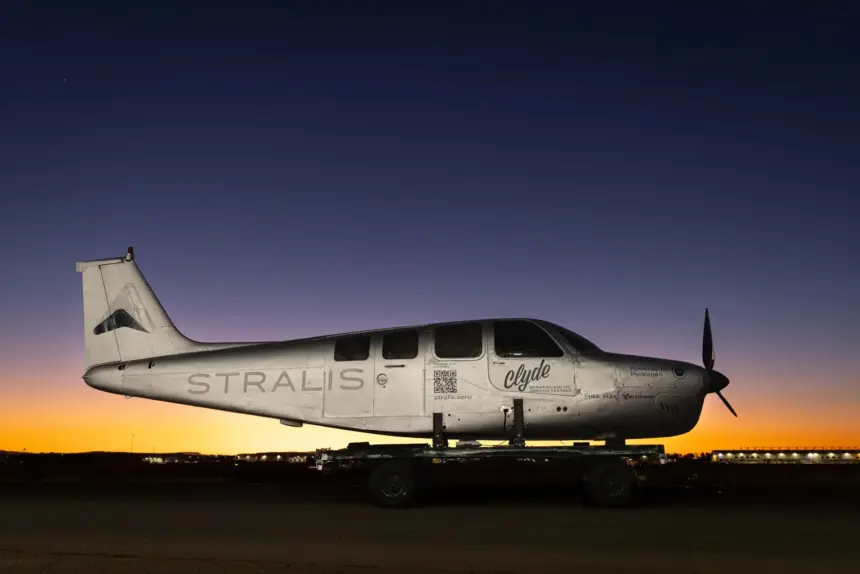
Stralis, an Australian Manufacture of hydrogen-electric aircraft has announced it will close down by the end of August. The original equipment manufacturer (OEM) cited insufficient airline demand and immature hydrogen supply as key reasons it could not remain profitable. The closure may further slow the growth of the hydrogen-powered aircraft industry.
Why Has Stralis Closed Down?
Stralis’ announcement suggests that the OEM could not provide commercially viable aircraft at the rate required by its contracted partners.
A spokesperson said that Stralis
“could not close the gap between proof and commercial readiness quickly enough to sustain the business.”
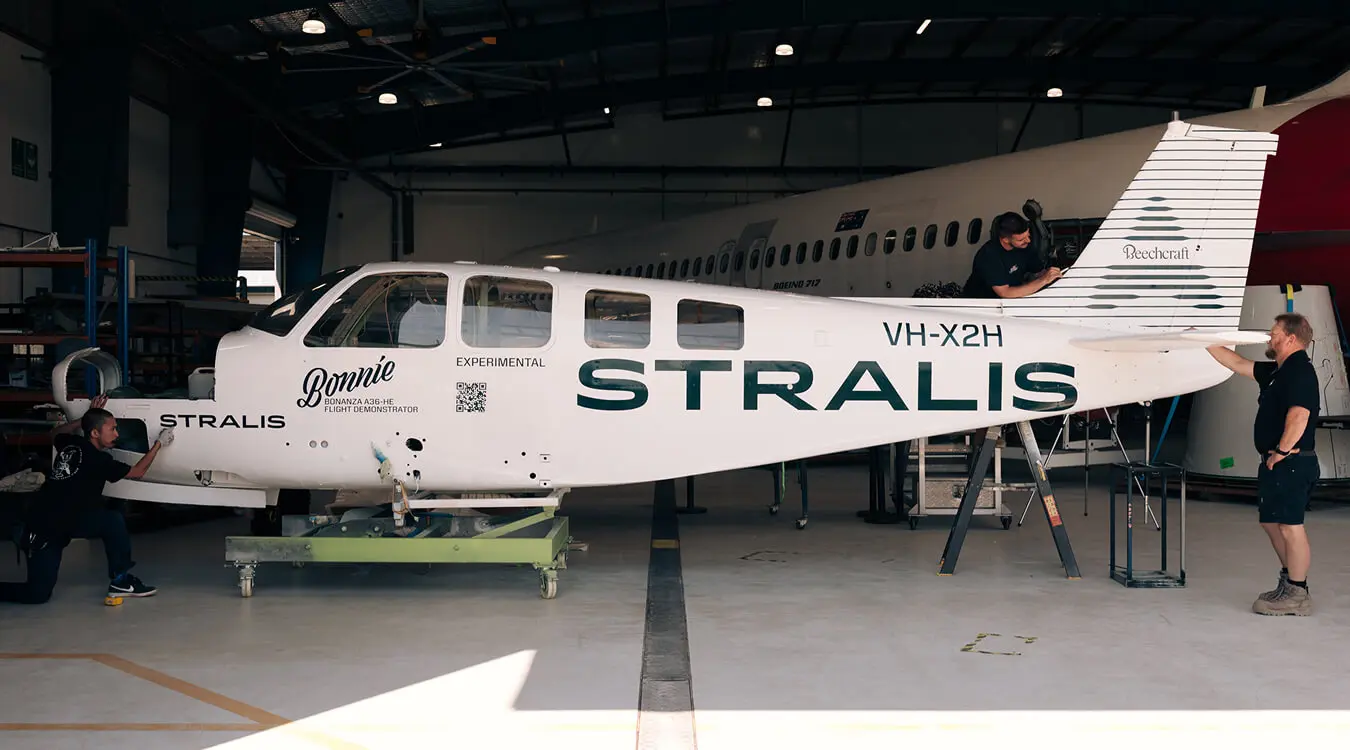
Stralis had tested a prototype version of its hydrogen-electric taxi, the Beech A36 Bonanza VH-X2H, at its Brisbane Airport (BNE) base, as recently as July 29, and had reportedly planned to start piloted flight with the aircraft later this year.
Stralis’ co-founder and CEO Bob Criner said after the test that,
“Reaching this milestone is a proud moment for all of us. It reflects the dedication of our hardworking team and the trust our investors, partners and supporters placed in us over the last few years.”
Criner then thanked the OEM’s 20 permanent employees.
Who Were Stralis’ Partners?
The unexpected closure leaves Stralis’ commercial partners without a contracted supplier of hydrogen-powered aircraft.
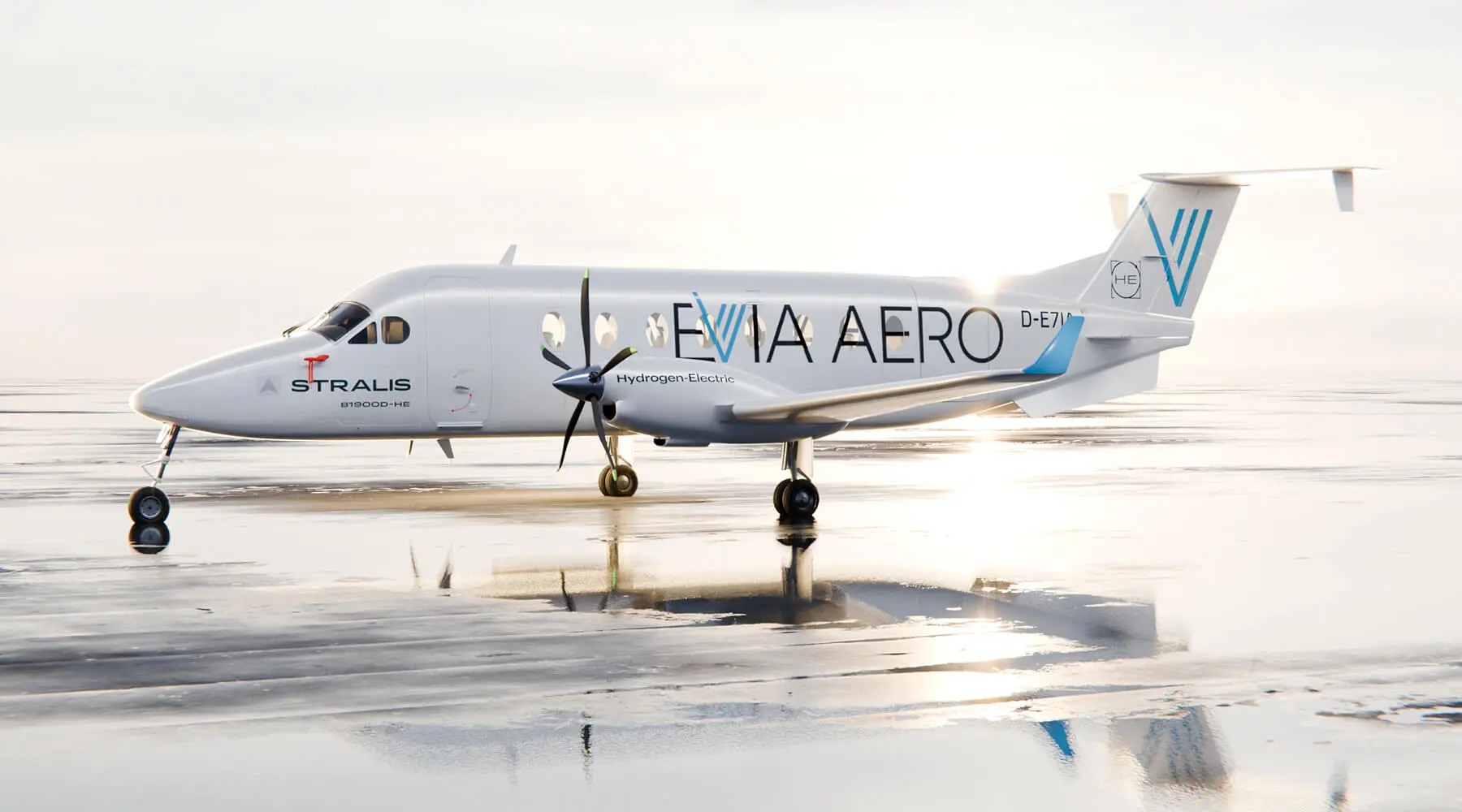
Among these was the sustainable aviation startup Evia Aero, which became Stralis’ European commercial representative in March 2026.
Evia Aero’s Chief Executive Florian Kruse said that his company “deeply regrets Stralis’ decision to exit the market.”
Evia, which receives direct funding from the European Union, had committed to purchasing six Beech B1900D-HE aircraft from Stralis. The company has said that it still intends to introduce hydrogen-powered aircraft in time to meet its original target of 2030, using a multi-OEM approach.
The Skytrans Australia airline had also been identified by Stralis as a launch customer for up to 15 B1900D-HE jets, with American-based charter companies Penjet and Air Frontier having also expressed interest in purchasing aircraft from Stralis.
The Future of Hydrogen-Powered Aviation.
Stralis cited immature hydrogen supply as a key reason it could not operate profitably.
Hydrogen had been viewed by multiple governments and environmental groups as a sustainable alternative to carbon-based aviation fuels.
This was due to hydrogen based fuels only releasing water vapour into the atmosphere when burnt, as opposed to the combination of water vapour and carbon dioxide, which is released when hydrocarbon based fossil fuels are burnt.
Central investment in hydrogen fuel projects slowed, however, due to a series of studies highlighting the potential impacts of water vapour emissions in the stratosphere, the layer of the atmosphere in which most commercial flights travel.
Their findings suggested that artificial water vapour in the stratosphere could also act as a greenhouse gas, meaning that hydrogen-powered aviation was less sustainable than had been first assumed.
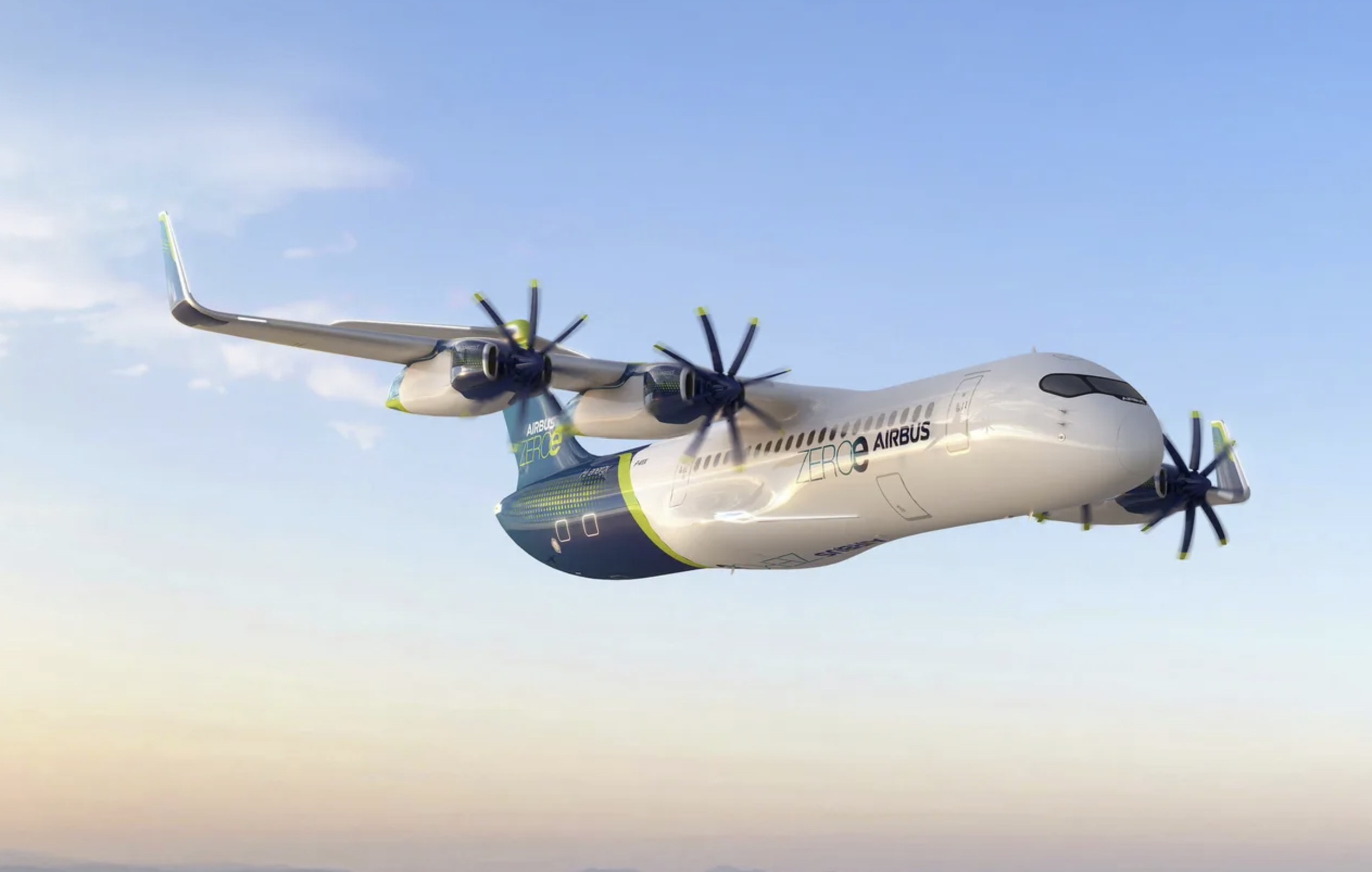
This coincided with decisions taken in 2025 by aircraft manufacturers Airbus and Embraer to delay their hydrogen-based operations.
Embraer is aiming to introduce hydrogen-powered aircraft by 2040, with Airbus scheduled to debut theirs between 2040 and 2045.
Is hydrogen power the future of aviation? Does the industry need more support? Let us know what you think in the comments.