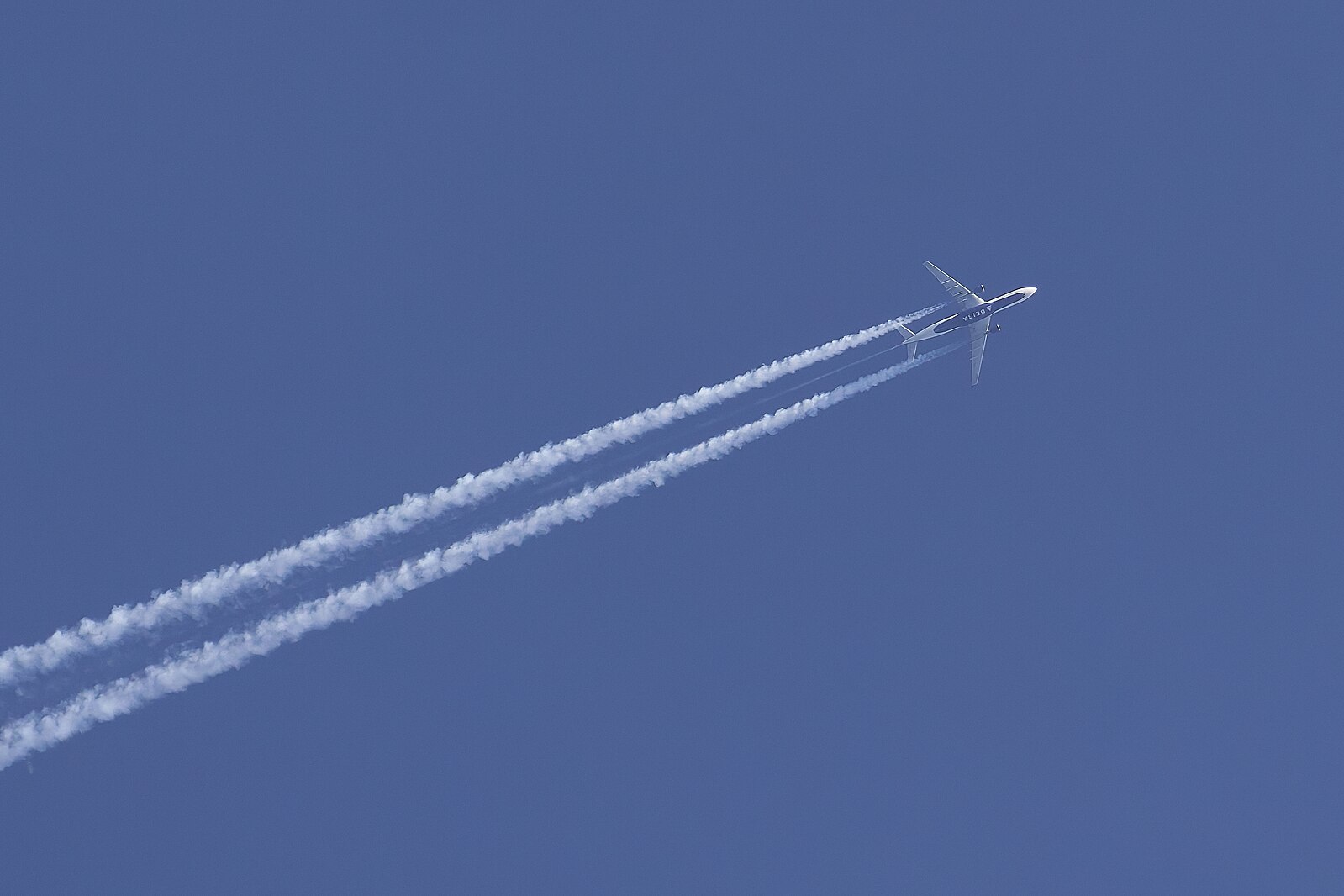
Operation Blue Skies was launched in the UK this week, hailed as the world’s first government-backed trial to test whether small changes to aircraft flight paths and altitude could reduce contrails. Multi-agency experts believe this could help reduce the significant impact the aviation industry has on global climate change.
Unique trial
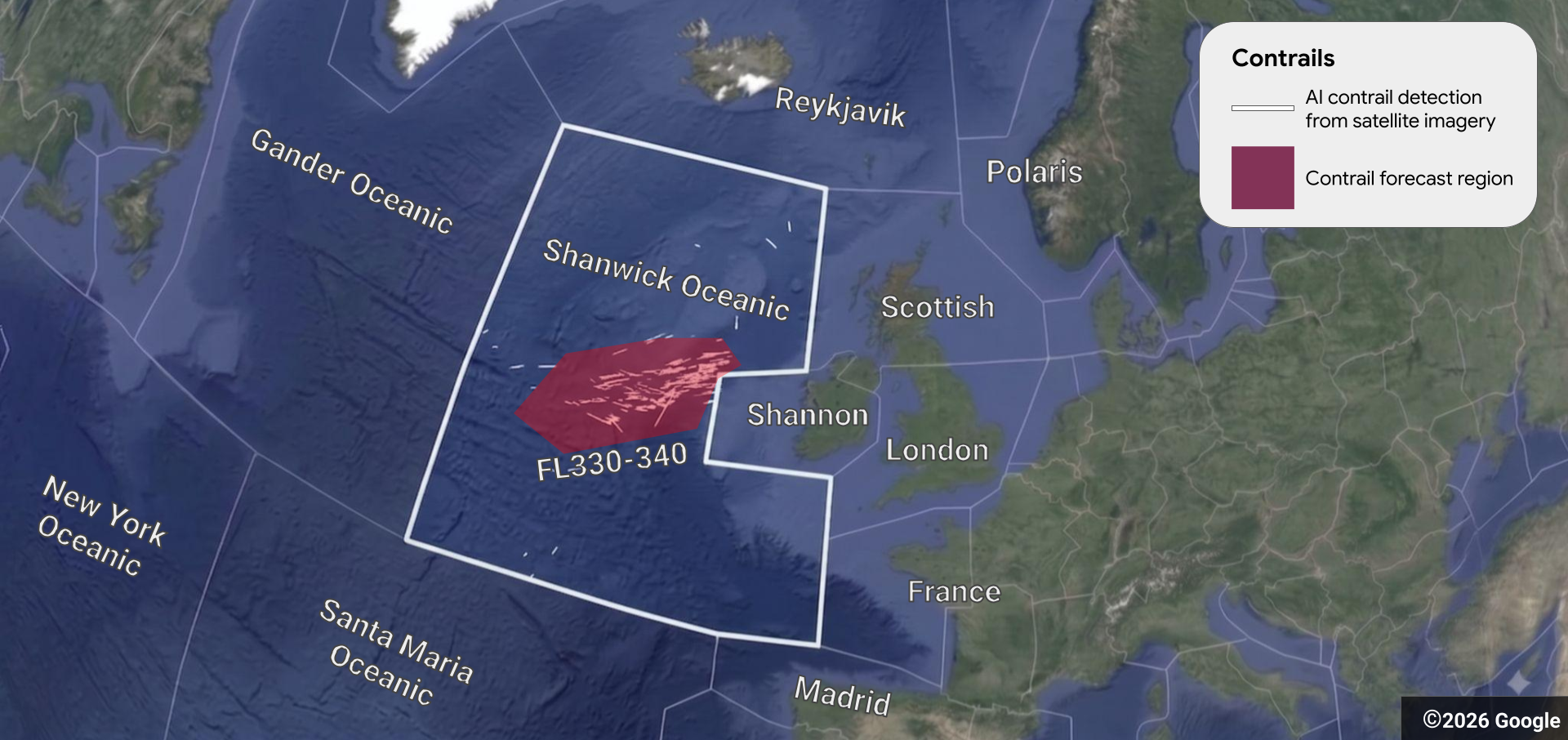
The £5 million, 30-month project is backed by the UK government, with input from a range of multi-disciplinary agencies. Artificial intelligence (AI) provided by Google will use satellite images and flight data to identify where aircraft have previously produced contrails. The UK’s meteorological service, the Met Office, will identify weather patterns to forecast where conditions for new contrails are likely to occur. Air traffic controllers from National Air Traffic Services (NATS) can then direct pilots to avoid flying through these areas. Researchers at the University of Cambridge and Imperial College London will then analyse and measure the impact.
Testing is planned to take place during selected winter evenings and nights between 2026-27 and 2027-28 in the Shanwick Oceanic airspace to the north west of Ireland. This area is thought to account for approximately five percent of global contrail warming, occurring during the selected optimum time period.
Small tweaks
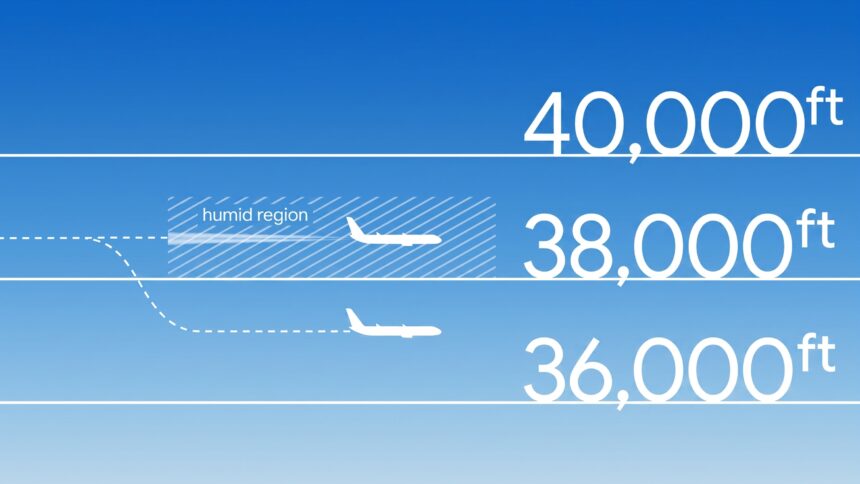
Only up to 5 per cent of the 10,000 estimated flights at the time of testing are expected to need to change altitude to avoid producing contrails. Flight altitudes will then only be adjusted by around 2,000 ft which passengers are unlikely to notice as these tweaks already occur, for example during bad weather and turbulence.
Dr Ed Gryspeerdt, Associate Professor in Atmospheric Physics at Imperial College said:
“Both the weather and global aviation are hugely complex systems, making contrail avoidance a challenging task. This trial is an important step forward, testing how these systems can work together at a large scale. It is very exciting to see how scientific research on aviation, clouds and satellite remote sensing can be used to address climate change and build a more sustainable future.”
In 2020, an Imperial study found that changing the altitude of fewer than 2 percent of flights could reduce contrail-related climate warming by 59 percent.
In 2023, Google and American Airlines (AA) worked together to use AI-based forecasts which resulted in a 54 percent reduction of contrails across 70 flights. In March 2026, Google’s AI contrail forecasts were integrated into flight planning software and used in 2,400 flights, resulting in a 62 percent reduction in contrail formation.
All these positive research results point to an encouraging cost-effective way to begin to reduce the significant climate impact of aviation. This will prove crucial to help combat the inevitable increase in demand for flights across the globe.
Are you encouraged by this large-scale innovative project to automate contrail avoidance? Let us know in the comments below.