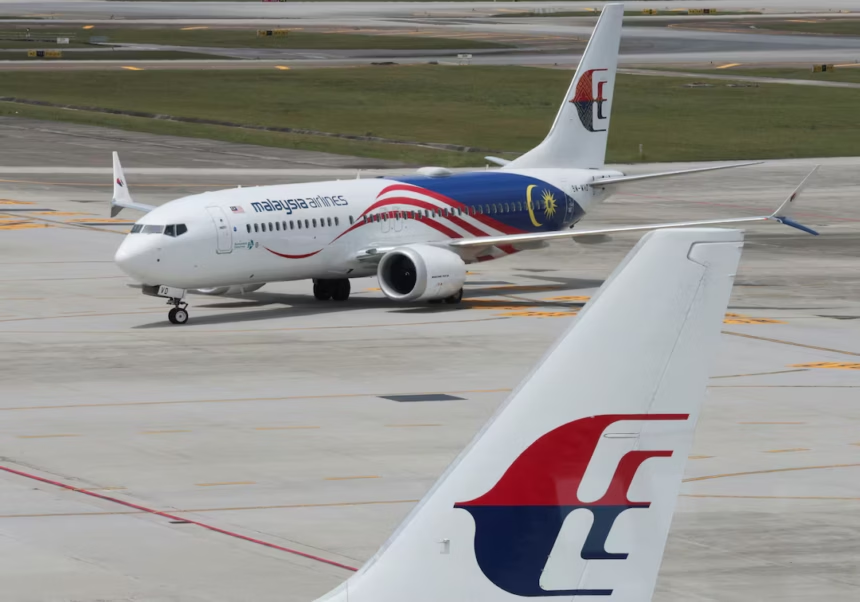
Malaysia Aviation Group (MAG) has advanced to the next phase of its comprehensive safety review after successfully conducting mandatory drug tests on all operational Malaysia Airlines pilots, with all results negative.
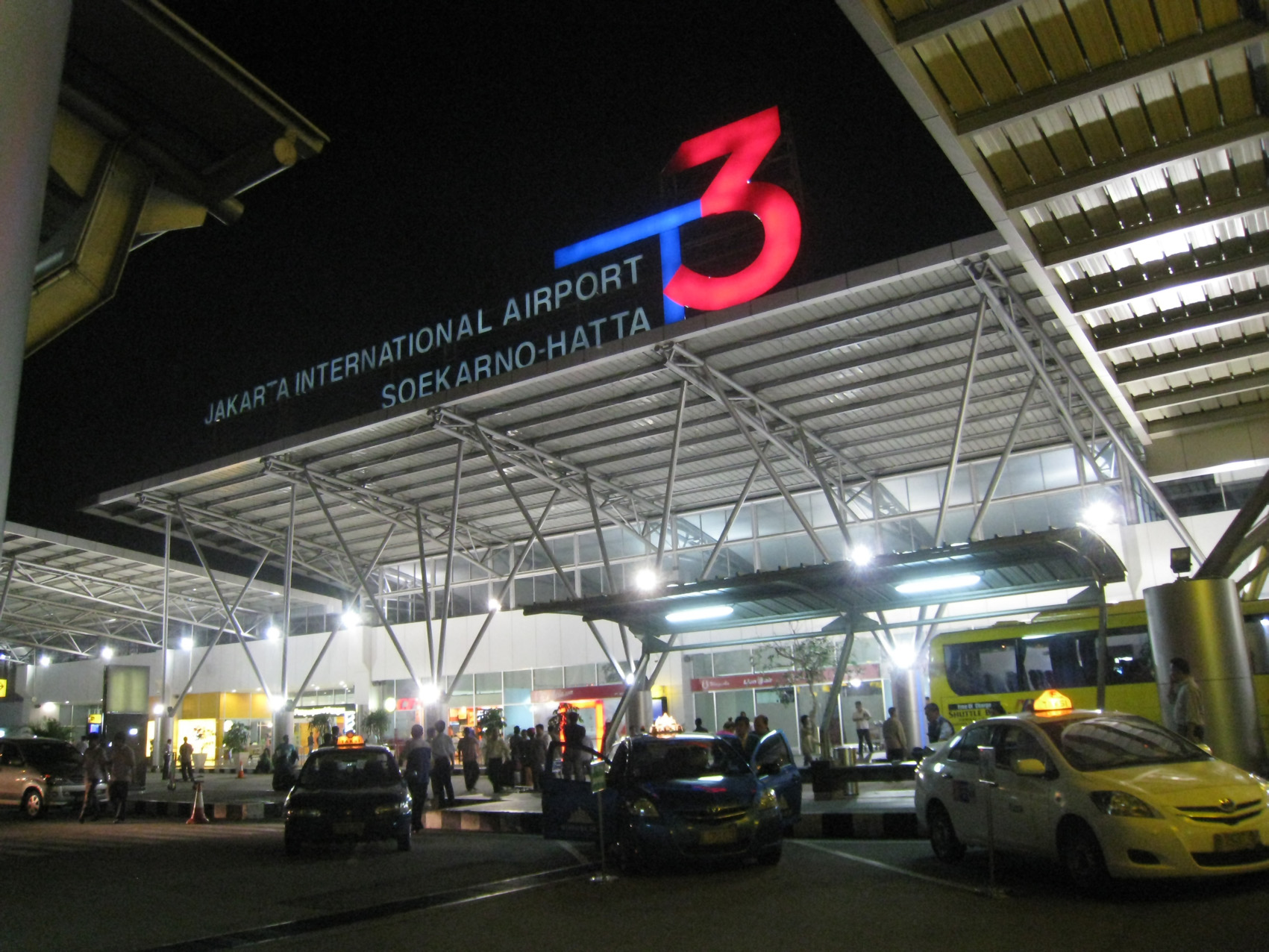
Jakarta arrest triggers fleet‑wide screening
The fleet-wide sweep, which concluded on Aug. 15, began after the arrest of a Malaysia Airlines second officer in Jakarta last month. Indonesian authorities detained the pilot at Soekarno-Hatta International Airport after discovering 25 kg of ecstasy pills and 2.7 g of methamphetamine in his possession. Officials confirmed that the pilot – who was flying as a passenger in the cockpit’s jump seat rather than serving as part of the active operating crew – subsequently tested positive for methamphetamine, ecstasy, and cocaine.
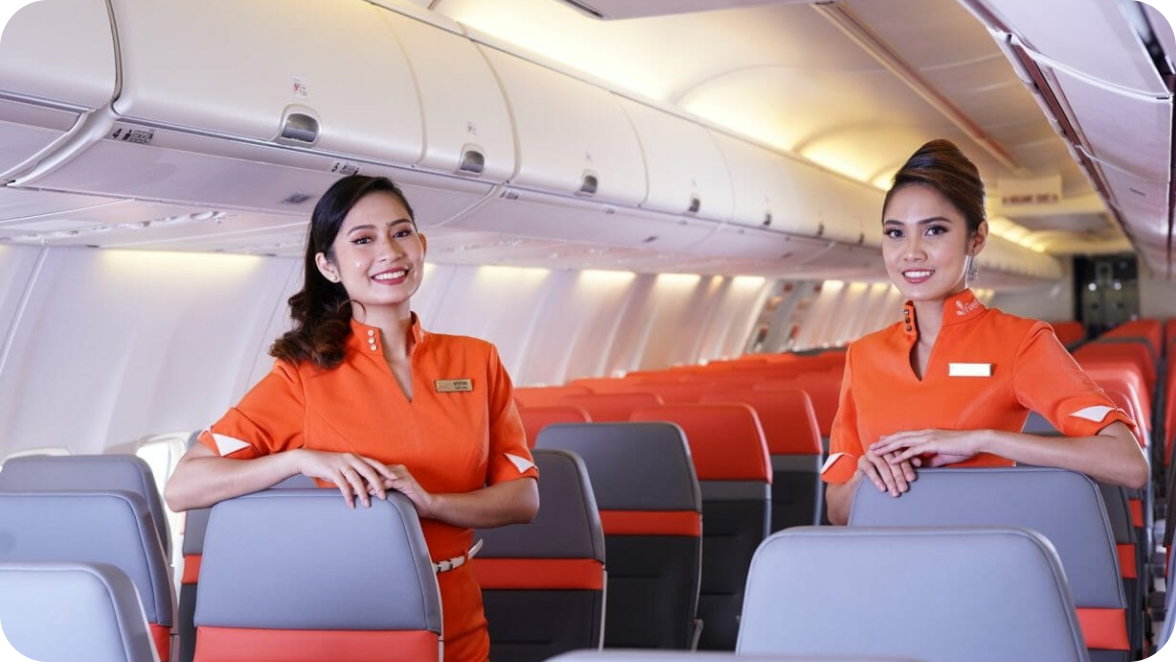
Following what MAG termed an “important milestone” in its response to the incident, the group is now expanding its mandatory screening programme. Beginning Aug. 18, approximately 2,840 Malaysia Airlines cabin crew members will undergo drug testing, with the airline aiming to complete this phase by Sept. 3.
Subsidiary testing advances
Similar safety checks are simultaneously progressing at regional subsidiary Firefly. By Aug. 15, over half of Firefly’s 158 pilots and 163 cabin crew members had already cleared their screenings with entirely negative results. The subsidiary is on track to wrap up testing by Aug. 25, ahead of the Sept. 5 timeline mandated by the Civil Aviation Authority of Malaysia (CAAM).
MAG’s president and group chief executive officer, Captain Nasaruddin A. Bakar, emphasised that the company is committed to maintaining strict oversight across all of its operational divisions.
“The completion of this first phase is an important milestone in the measures we committed to implementing, but work does not stop here,” Captain Nasaruddin said. “We are moving ahead with screening across other operational groups to ensure the same rigorous standards are applied consistently across our airlines”.
Moving forward, MAG’s internal Safety and Health team will manage continuous, unannounced random testing. The aviation group also reiterated its commitment to working closely with law enforcement and regulatory bodies to strengthen security protocols and preserve passenger trust.
How far do you think carriers should go to guarantee passenger safety? Let us know in the comments below.