Europe’s Rosalind Franklin rover will search Mars for signs of past life. Britain is closely involved: UK teams built the rover, made several of its science instruments and are now working on its landing system. Space scientist Dr Maggie Aderin-Pocock says the mission “will give us vital insight into the history of Mars.”
European Mars rover with strong British roots
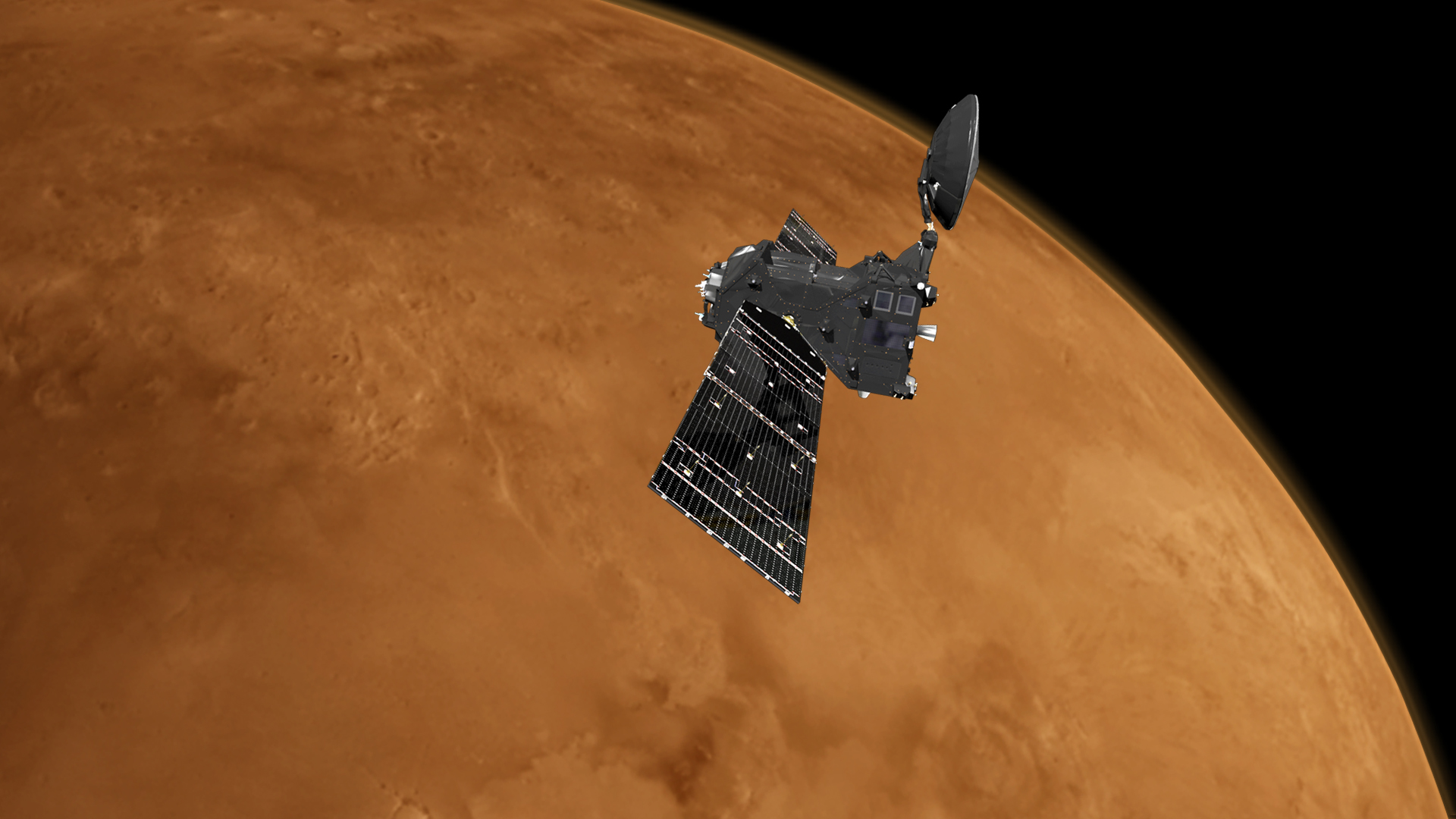
The Rosalind Franklin rover, named after the British scientist whose work helped reveal the structure of DNA, is part of the European Space Agency (ESA)’s ExoMars programme. The programme also includes the Trace Gas Orbiter (TGO), which launched in 2016 to study methane and other trace gases in the Martian atmosphere. These gases could come from living organisms or geological processes. The orbiter allows scientists to investigate whether activity on Mars might be connected to life.
The rover will search beneath the surface, where organic evidence has a better chance of surviving. Radiation and reactive chemicals can damage possible signs of life on Mars in the upper layer of soil. Rosalind Franklin can drill down 2 metres, reaching older material that may have been shielded from those conditions.
Britain is Europe’s second-largest contributor to ExoMars, after Italy. The UK Space Agency (UKSA) has invested 287 million euros (£245 million) in the mission, including 16 million euros (£14 million) for its scientific instruments.
Building the Mars rover in Stevenage
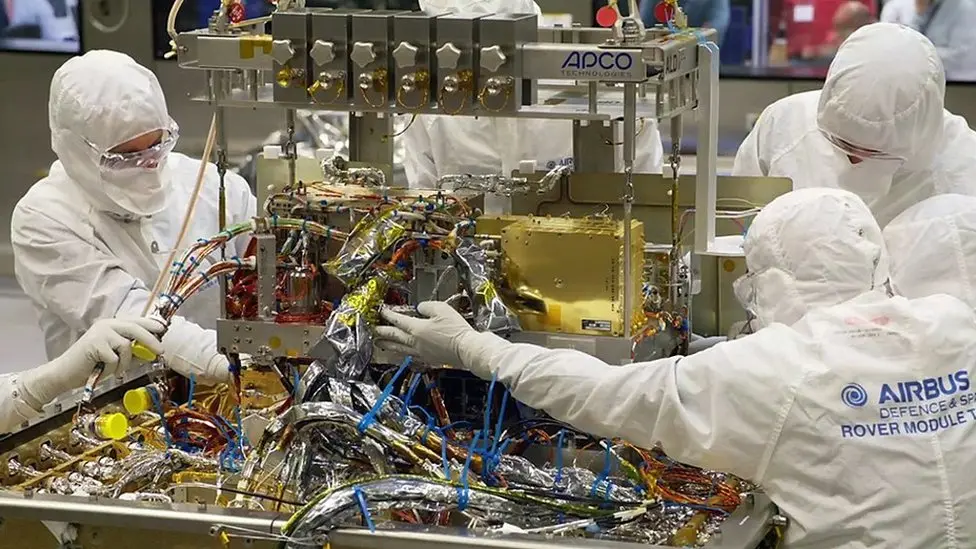
Airbus Defence and Space designed and built Rosalind Franklin at its Stevenage site. The team worked in a cleanroom to prevent material from Earth contaminating the rover and compromising its findings.
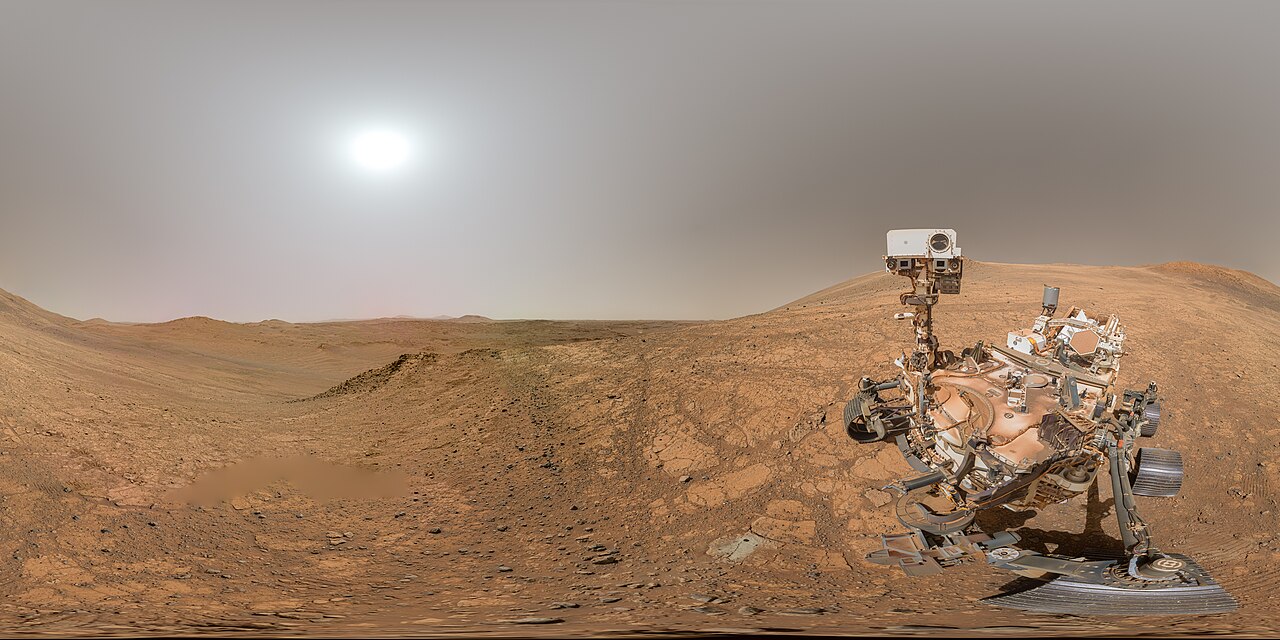
The mission could make Rosalind Franklin Europe’s first rover on Mars. It carries a drill and science instruments for examining rocks, soil and the atmosphere.
Its wheel-walking system is designed for difficult terrain. It can help the rover escape loose sand and move across rough ground. Mission plans call for it to travel about 50 to 100 metres during each Martian day.
SCISYS UK, now defunct, worked on the rover’s onboard software and autonomous systems. Because instructions from Earth cannot arrive immediately due to the vast distance between Earth and Mars, the software will allow the rover to make some decisions for itself.
British instruments will guide the search
UK scientists lead or support several of the rover’s main science instruments. One is PanCam, an imaging system led by University College London’s Mullard Space Science Laboratory. PanCam has two wide-angle cameras and one high-resolution camera. It will produce colour and stereo images showing the shape of the Martian terrain, which scientists will use to plan the rover’s route and select drilling sites. The cameras can also examine rocks in visible and near-infrared light. Their images may reveal geological features and possible evidence of past water. Aberystwyth University supplied calibration equipment and other supporting hardware. Researchers from Leicester, Birkbeck and several other British institutions also work within the PanCam team.
UK organisations also contributed to the Raman Laser Spectrometer. The University of Leicester, Teledyne e2v and RAL Space supported its development. The instrument will use laser light to analyse the molecules and minerals in collected samples. It may detect organic compounds or mineral patterns associated with past or present life.
Drilling below the Martian surface
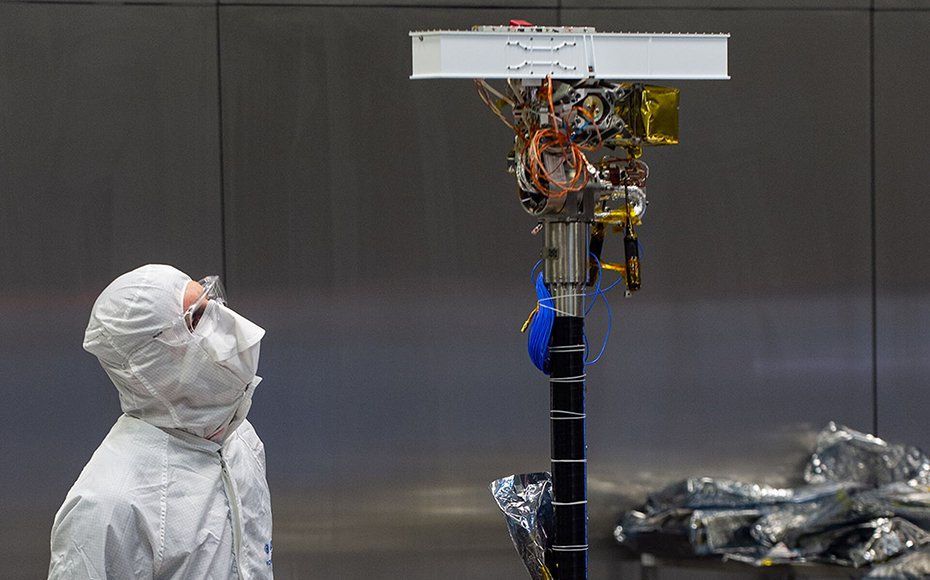
Rosalind Franklin’s drill can reach deeper than that of any earlier Mars rover. It will collect samples from as far as 2 metres underground and transfer them to the onboard laboratory. Scientists believe this approach could improve the chances of finding preserved traces, avoiding intense and damaging surface radiation.
Cameras will inspect the drilled material at close range. Other instruments will scan underground, analyse minerals and search for organic molecules.
Scientists will compare observations of the surface with samples taken from beneath it. This should help them determine what the samples contain and reconstruct the conditions in which they formed.
The planned landing site is Oxia Planum. Scientists selected it because its rocks may preserve evidence of an ancient environment shaped by water.

Investment across industry and academia
British work on ExoMars brings together government funding, university research centres and private firms. RAL Space has worked on both parts of the wider programme. It contributed to the construction of science instruments for the TGO as well as equipment for the rover.
ExoMars also supports specialist employment. Airbus received a £150 million ESA contract, funded through UKSA, to develop the rover’s landing platform. The contract is expected to support about 200 highly skilled jobs.
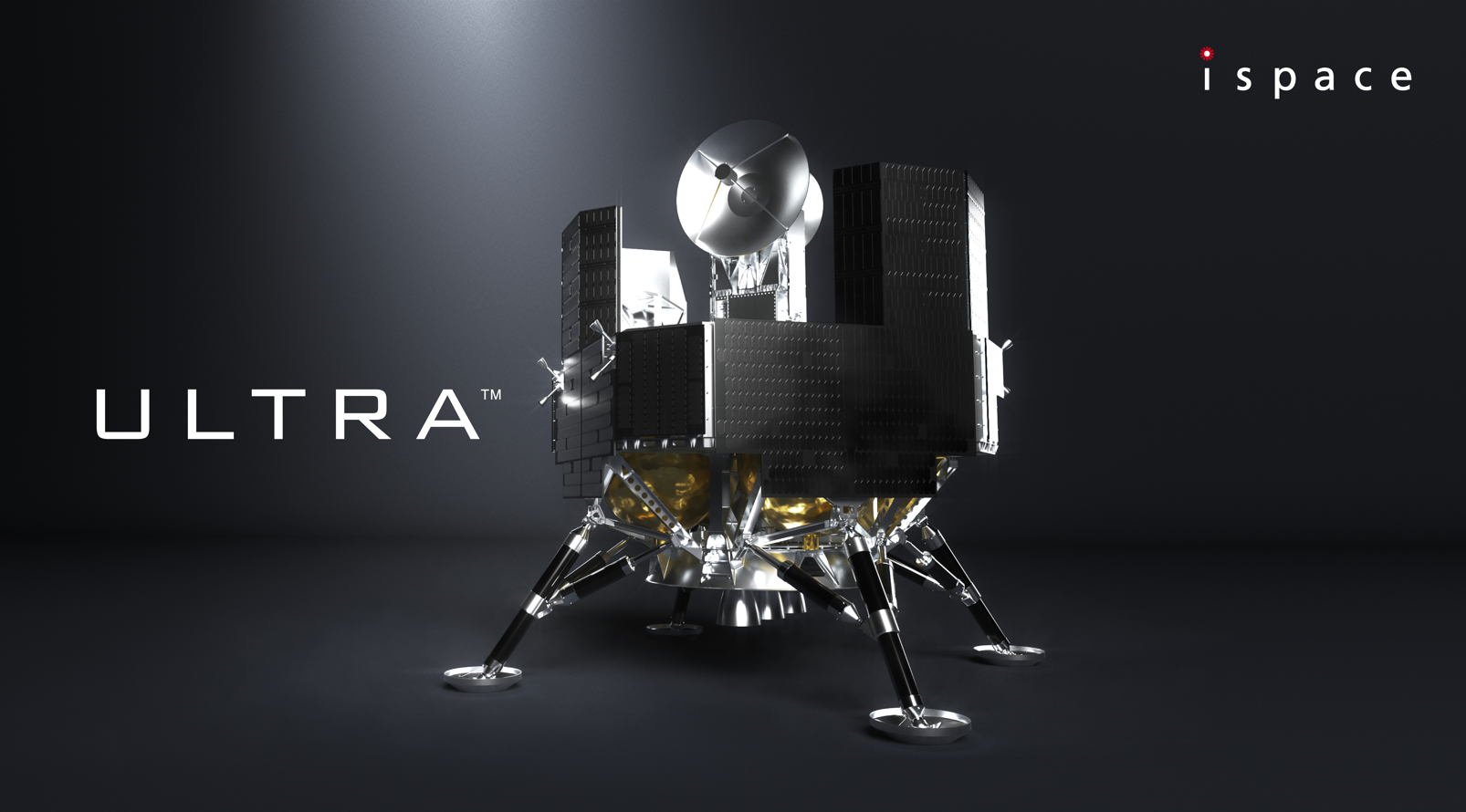
Technology developed for ExoMars is already being adapted for another project. A Raman spectrometer based on the rover’s instrument is being prepared for a future Moon mission involving the University of Leicester and ispace. The instrument will examine the lunar surface and search for materials that could assist later missions. This adaptation takes technology developed for Mars to the Moon.
Redesigning the mission after Russia’s withdrawal
The Rosalind Franklin mission originally depended on a partnership between ESA and Russia’s space agency Roscosmos. Russia was due to provide launch services, a descent module and a surface platform.
ESA suspended cooperation with Roscosmos in March 2022 after Russia invaded Ukraine. The planned launch could no longer proceed. ESA then examined how to complete the mission without Russian equipment. Britain’s involvement increased after Airbus was selected to develop a replacement landing platform.
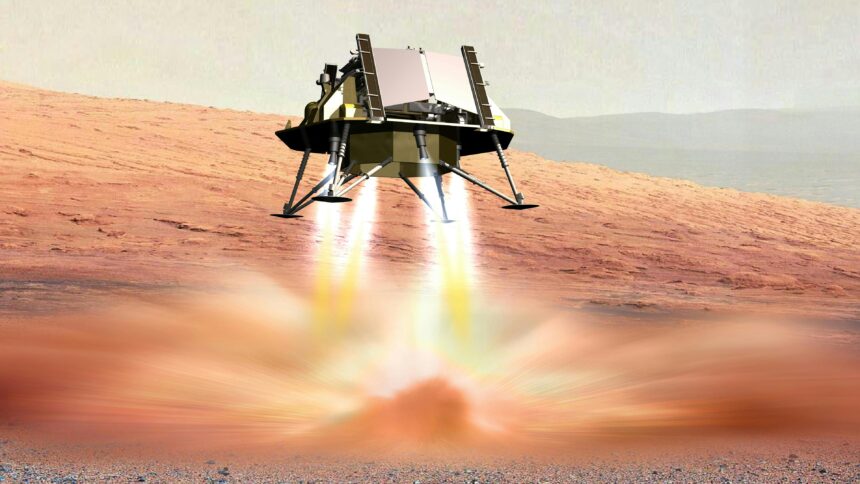
Teams in Stevenage will design the platform’s mechanical components and propulsion systems. Their work covers the landing structure and the final braking system, as well as a ramp which will allow the rover to drive down to the surface.
The U.S.’s National Aeronautics and Space Administration (NASA) is also involved in the revised mission and will supply radioisotope heater units. Airbus and its partners will update the rover’s software and other systems.
Launch plans and remaining risks for the Mars rover
The revised schedule calls for a launch in 2028 and a landing on Mars in 2030. Once the Mars rover is on the surface, the TGO will relay messages between it and Earth.
Before that can happen, the spacecraft must survive the launch and journey to Mars, atmospheric entry, a parachute descent and a powered landing.
Dust poses another threat. Rosalind Franklin can cope with regional storms and some accumulation on its solar panels. A global storm lasting several months, however, could deprive the rover of enough power to continue working. Mission planners need to schedule in as much scientific work as possible before the worst dust season. UK researchers are preparing data systems and operating plans. They are also developing methods for analysing results quickly, even before the rover arrives.
UKSA plans to support three science instruments through projects running from 2027 to 2030: PanCam, the Raman Laser Spectrometer and the Enfys infrared instrument (which replaced the Russian-made Infrared Spectrometer for ExoMars (ISEM)). This support work is intended to let British teams begin using the data as soon as rover operations start.
Rosalind Franklin has endured years of delays and a major redesign, yet British teams remain responsible for several of the systems that will take the mission to Mars and carry out its search. The rover, landing platform, cameras and laboratory instruments will work together to reach beneath the planet’s hostile surface and look for evidence that life on Mars once existed.
What kind of evidence would convince you that life once existed on Mars? Let us know in the comments below.