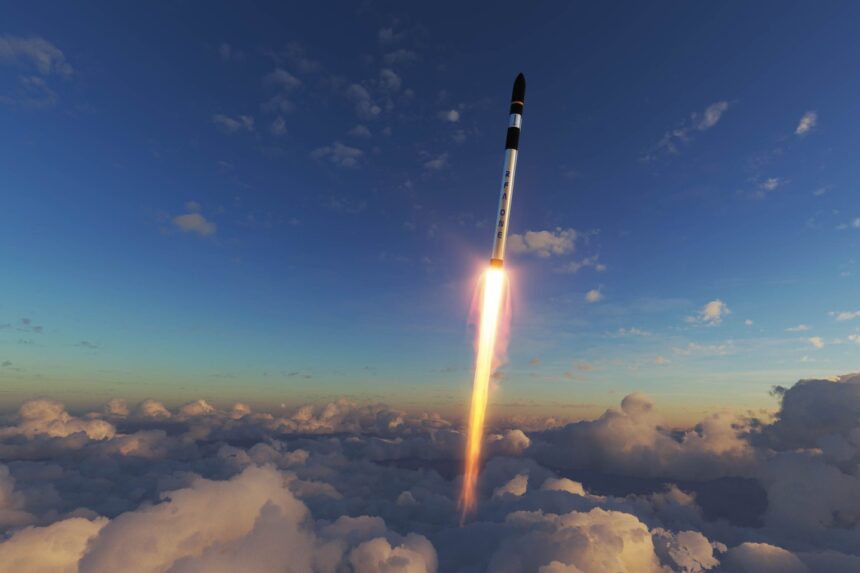
The UK aims to lead Europe in small satellite launch, with UK spaceports forming a key part of its growing spaceport network and regulation framework. Its plan supports launch services through horizontal and vertical launch, with runway-based launch in the south and west and vertical ascent from launchpads in northern Scotland. This gives budding customers and startups two ways to reach space.
Why launch matters
The UK has a large satellite sector, but it still relies on launch sites abroad. Expanding UK spaceports and domestic launch services could cut delays and give the country more control over access to space. Most importantly, it could help public and private users book missions without relying on international capacity and politics.
The Space Industry Act 2018 set the main rules for UK spaceflight. It regulated launch firms, spaceports, range control, and in-orbit operations. It also makes public safety the main priority for each licence. Companies must review environmental effects and show that they have cut safety risks as far as reasonably possible.
The government has put more than £100 million into launch and related sites. It wants the UK to become Europe’s top small satellite launch provider by 2030. Therefore, the plan also supports skilled jobs, new investment and a stronger supply chain.
Two ways to reach orbit
The choice between horizontal and vertical launch systems affects the payload size and the types of orbit a mission can achieve.
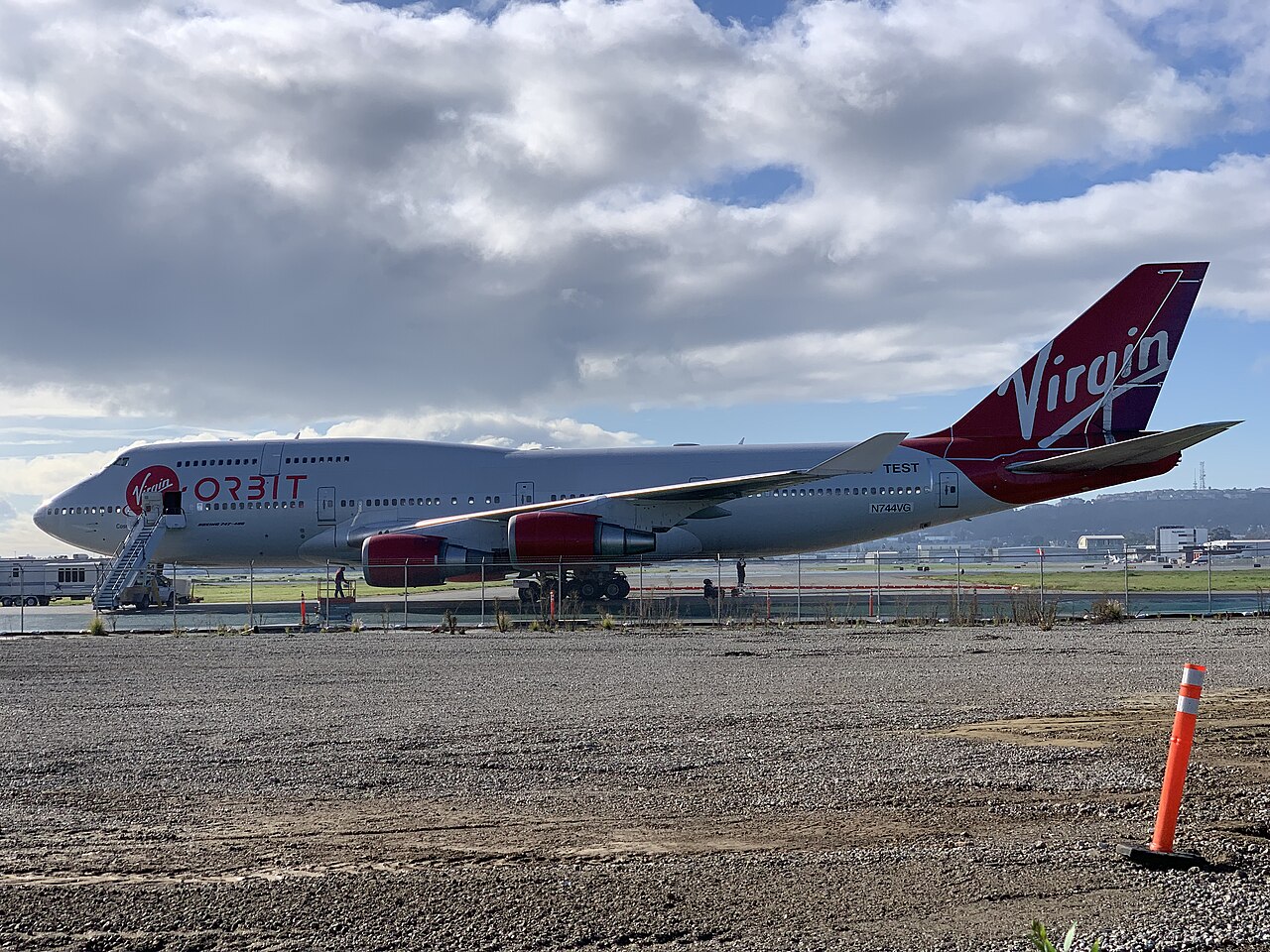
Horizontal launch starts on an ordinary airport runway. A carrier aircraft takes off carrying a rocket. It then drops the rocket at height. Because the plane can move before release, the mission can reach many orbital paths.
This method can use existing airport infrastructure and does not need a large fixed pad. It may also launch above or around some bad weather. Besides that, it can reduce drag at the start of flight. However, costly changes are required to the aircraft, including new controls and fittings. The rocket and payload must also stay small, while release in the air adds risk.
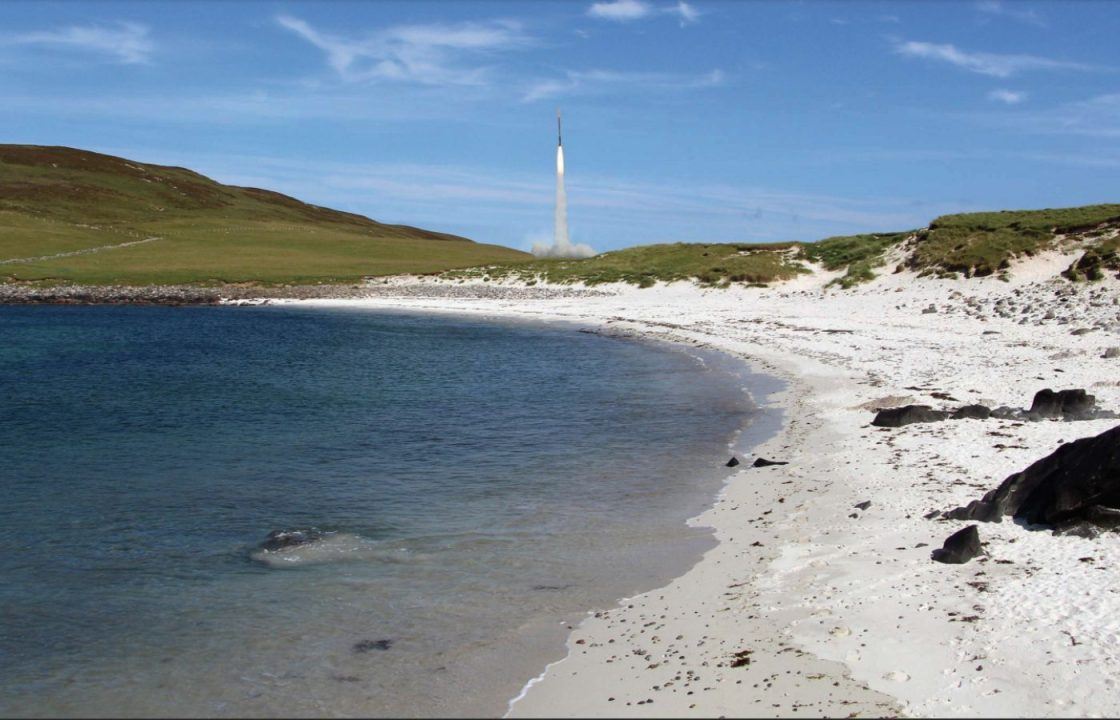
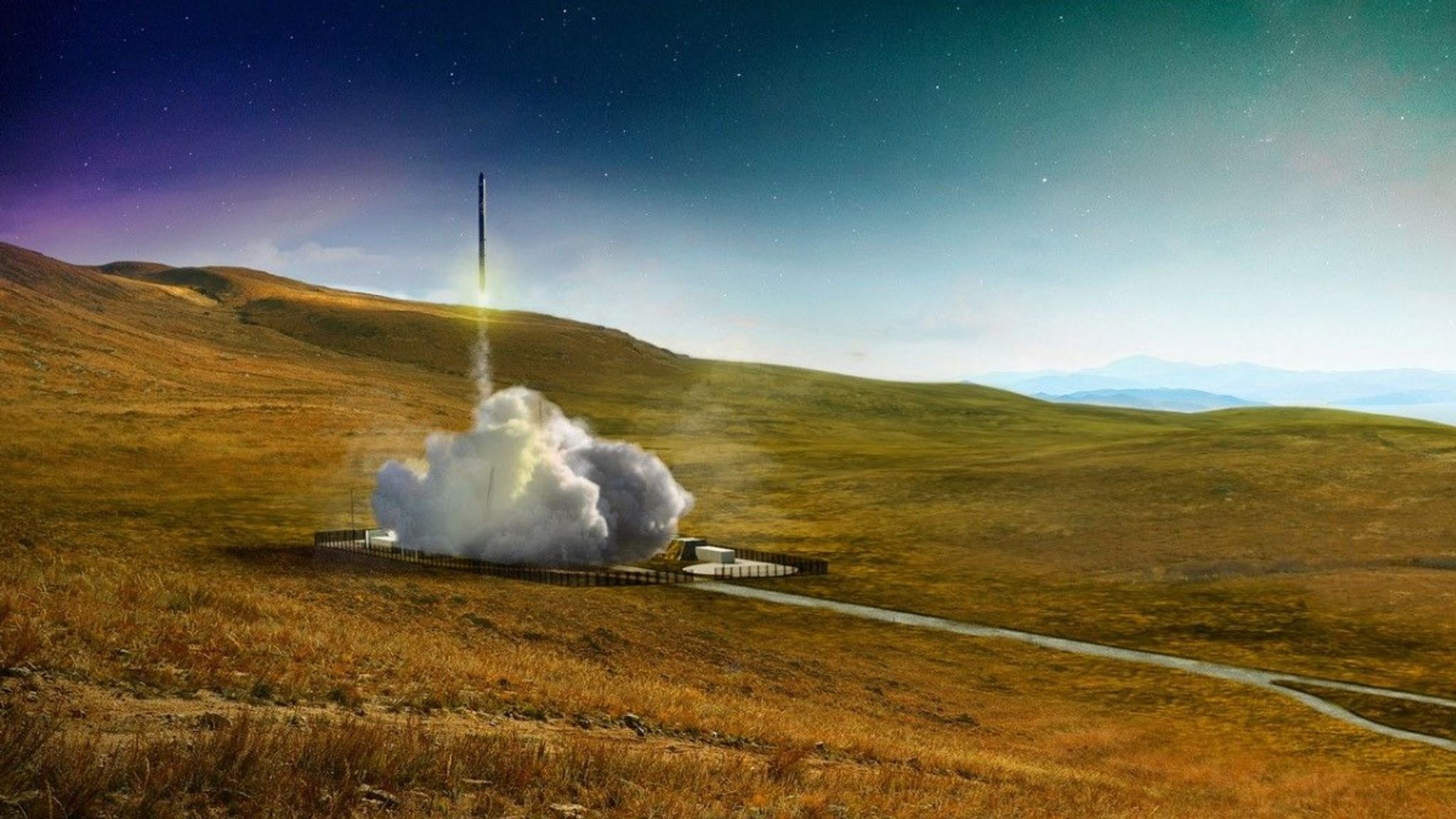
Vertical launch uses a rocket that rises from a ground pad. It can carry larger loads and suits polar and sun-synchronous routes from northern Scotland. Yet it needs special pads, broad safety zones and tight control of nearby sea and airspace.

A network of UK spaceports
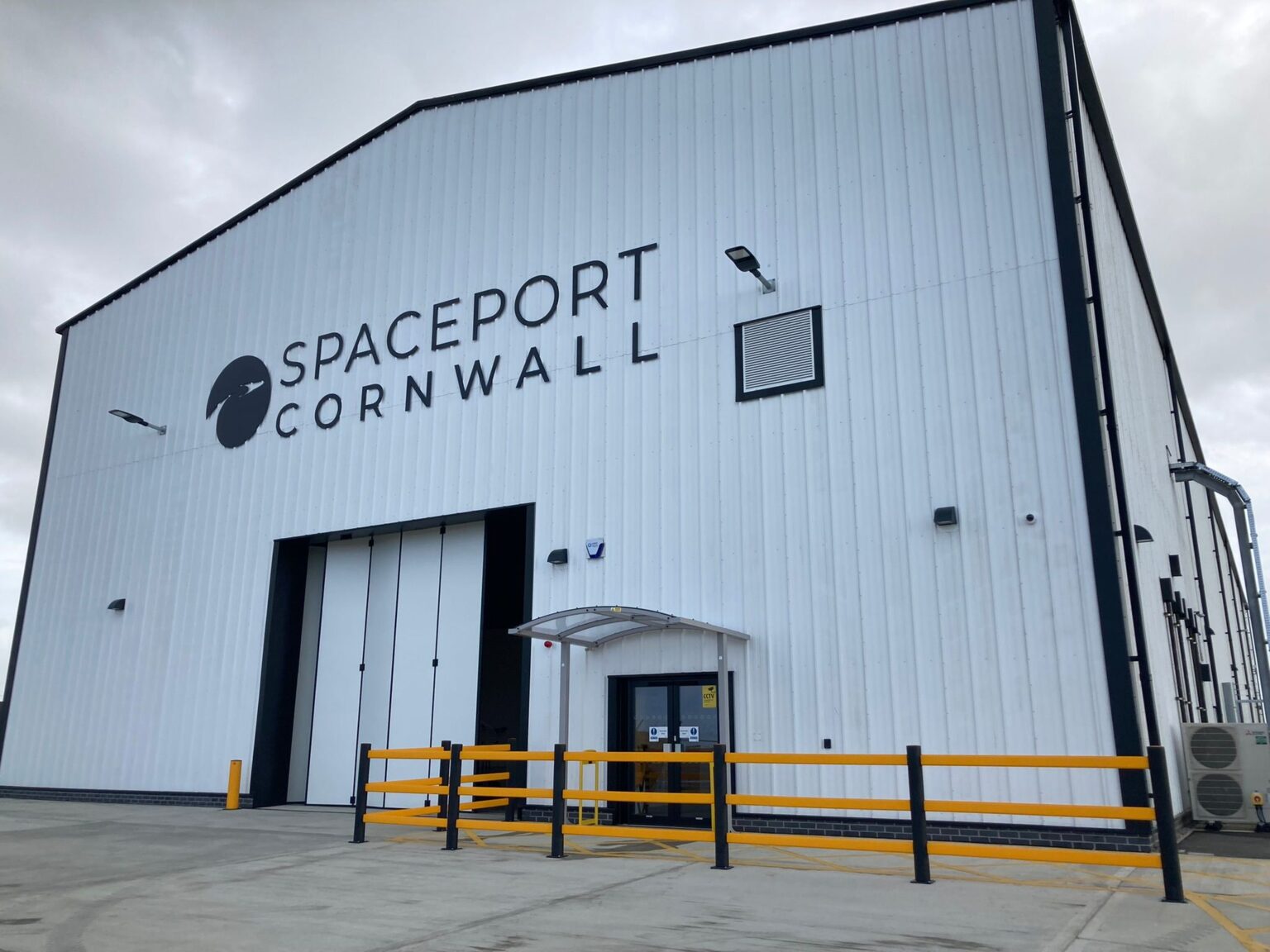
The UK chose a network of sites over one national spaceport. This approach allows UK spaceports to specialise in different missions, while the wider spaceport network and regulation system provides a common framework for their development. Cornwall, Prestwick, Snowdonia and Machrihanish can support launch from runways. Meanwhile, SaxaVord, Sutherland and North Uist have focused on launching from pads. Some sites can host more than one type.
Spaceport Cornwall has a 2,744-metre runway, sea access, mission control and test sites. On Jan. 9, 2023, it hosted Britain’s first attempt to place satellites into orbit from a UK launch site. The carrier plane returned safely, but the LauncherOne rocket did not place its payloads in orbit. Even so, the mission set up the site’s systems and launch process.
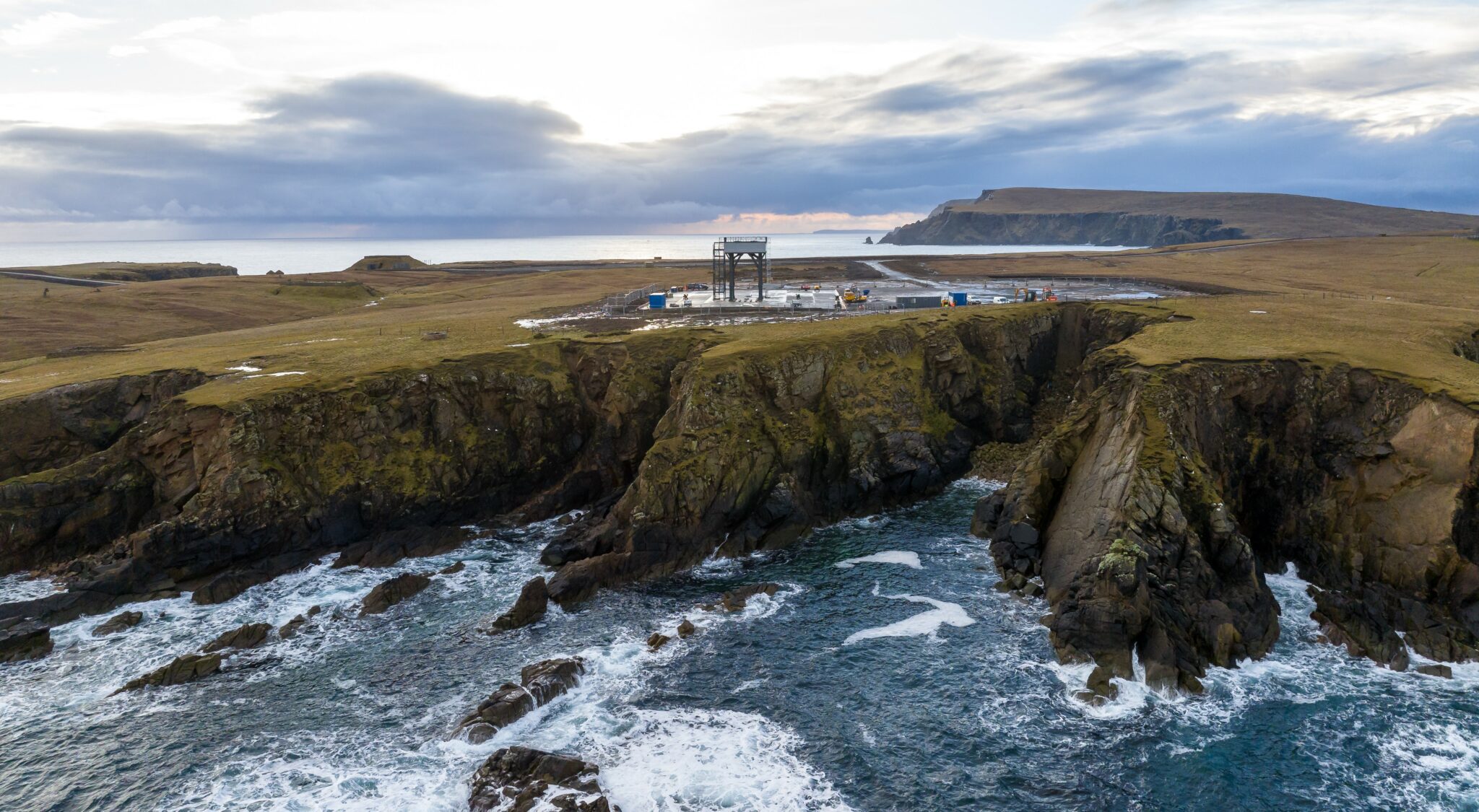
SaxaVord lies at a high latitude in Unst, Shetland. Therefore, the site can help some rockets carry more payload with the same fuel. Rocket Factory Augsburg (RFA) and Skyrora have both made plans to use it. As a result, SaxaVord sits at the heart of the UK’s near-term effort to launch rockets from the ground.
Uses of UK spaceports for key industries
Domestic launch services could support satellite makers first, giving them access to horizontal and vertical options for small craft bound for Low Earth Orbit. Also, launch capability can drive demand for test centres, factories, software teams and skilled engineering firms.
Climate services also use satellites in polar and sun-synchronous orbits. Northern sites suit those paths because rockets can fly over the sea and away from human settlements. Therefore, the satellites can track the climate and collect other data about Earth.
Defence could also benefit from domestic access to space. SaxaVord has warned that U.S. military demand could limit launch slots in the United States before 2030. Therefore, a UK option could help the government place its own satellites without relying on a foreign provider.
Local economies may gain jobs as well. Spaceport Cornwall and its technology centre had plans to create 150 posts. Besides that, other sites aim to spread skilled work beyond large cities. However, steady benefits will need regular launches, not just new buildings.
Rules, funding and market access
The Civil Aviation Authority (CAA) licenses launch companies, spaceports, range services and works in orbit. This oversight makes the spaceport network and regulation closely connected, since operators across different sites must meet national requirements for safety and environmental protection. A launch or spaceport licence takes at least nine months to assess. Firms must also deal with planning, insurance, radio spectrum management, dangerous goods and environmental effects. Because rockets share UK airspace, each mission requires close work with aviation officials.
The UK-U.S. Technology Safeguards Agreement (TSA) opens the market to U.S. firms. It lets them use UK spaceports and bring in launch equipment under set controls. However, U.S. export rules still apply in each case. Besides that, the deal allows UK sites to host systems from other nations and support British technology.
Public grants have helped launch projects in Scotland and Cornwall. Money has also gone to plans at other sites, launch tools and satellite test work. Therefore, the strategy rests on both spaceports and the firms that supply them.
Setbacks and strong rivals
The programme has faced clear setbacks. An RFA engine exploded during a test at SaxaVord in August 2024. No one suffered injuries, but there was extensive damage to structures and the incident prompted “a lot of learning”, according to RFA’s chief commercial officer, Jorn Spurmann. Even so, the company maintained its plans, while the site continued work on its launch hangar and startup staff training.
Sutherland faces an uncertain future after its planned operator, Orbex, entered administration in February 2026. Construction at the site had already been paused in December 2024 and the project has not resumed. This means major building work has not begun. Orbex had already moved its first launches to SaxaVord for business reasons.
North Uist moved ahead in the race for airspace when the CAA approved a permanent zone for Spaceport-1. That zone took effect on January 22, 2026. Yet local people have opposed the scheme. Planning approval has clearly not ended concerns about land and the environment.
Norway’s Andøya Spaceport also competes for the same local small launch market. Established providers outside Europe add more pressure. Therefore, UK sites must offer safe, reliable and frequent service to win customers.
These setbacks show why UK spaceports need more than infrastructure to succeed. Reliable launch services using horizontal and vertical operations will depend on technical performance, customer demand and a spaceport network and regulation system that can support growth without compromising safety.
What comes next for UK spaceports
The two-part strategy gives the UK more choice. By supporting horizontal and vertical operations across multiple UK spaceports, the country can serve different missions rather than depend on one launch model. Runway operations can use existing airports and serve small missions. Meanwhile, ground pads can handle larger loads and reach key northern routes. Most importantly, the network avoids full reliance on one site or method, or its international partners.
Success will depend on repeat launches. A licence or one launch attempt does not create a stable market. Therefore, firms need reliable rockets, paying clients, trained staff and access to clear sea and air zones.
The UK has the laws and location to build competitive launch services. However, turning those advantages into a sustainable industry will depend on how effectively its spaceport network and regulation framework support safe flights on a steady timetable. The strategy can support a strong national launch market, but only regular delivery will prove it works.
Which of the UK’s spaceports do you think is best placed to become a long-term success, and what would it need to achieve that?