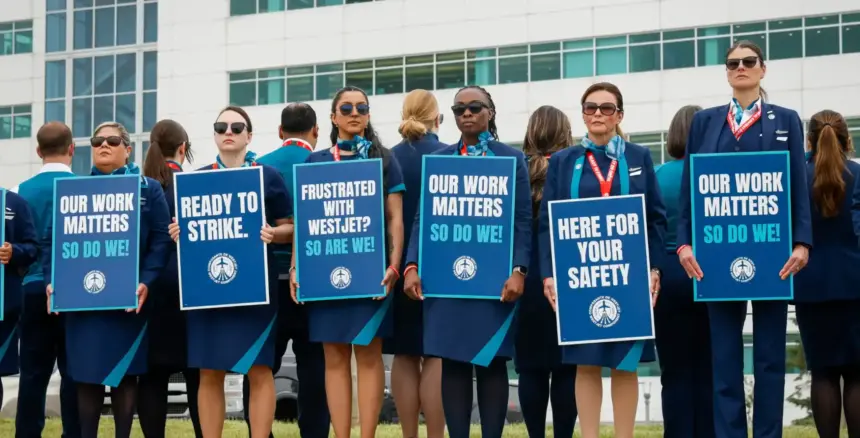
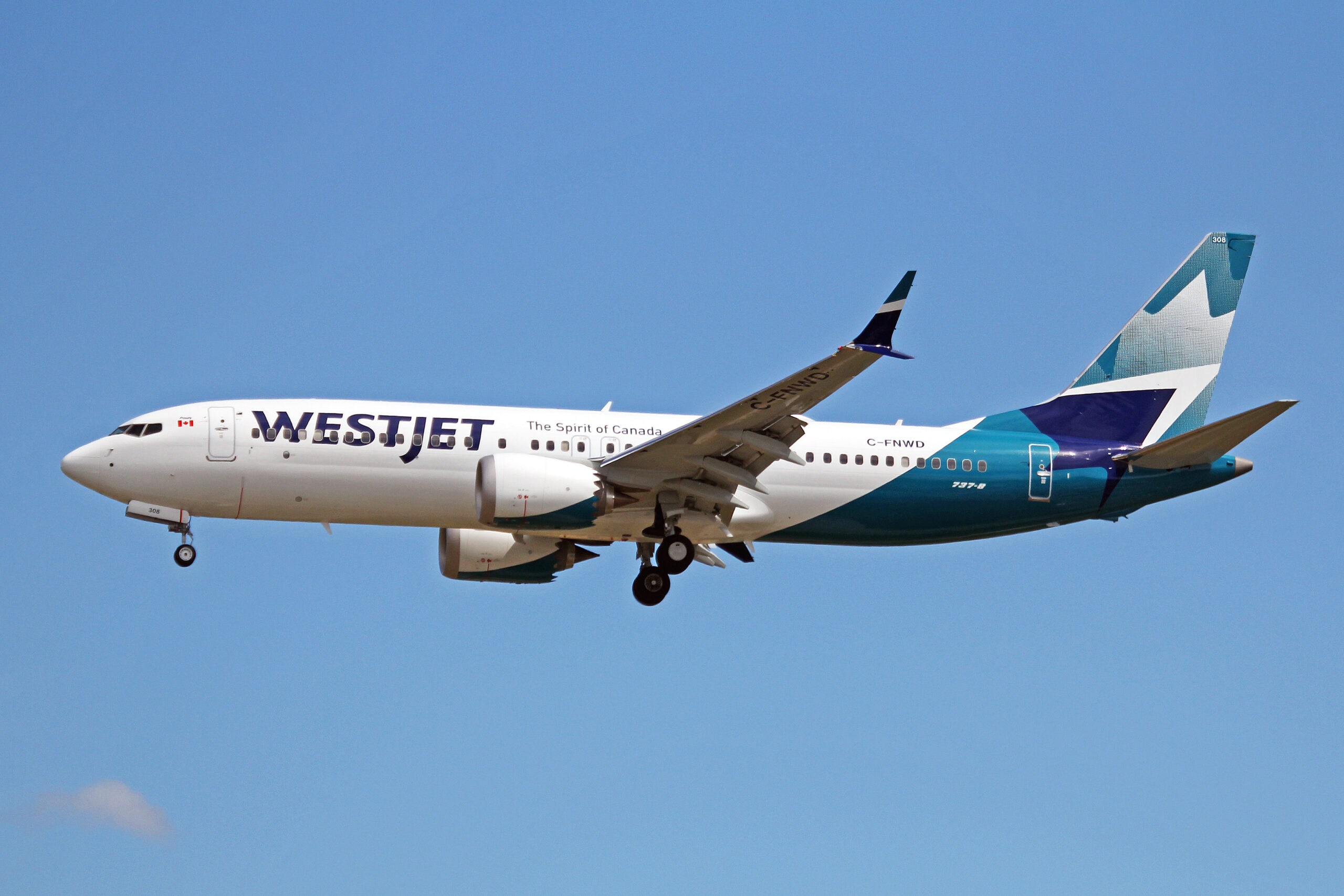
Hundreds of flights scheduled to be operated by Canada’s WestJet have been cancelled or rescheduled following the beginning of strike action on Sunday, August 2. The Canadian airline has been forced to cancel over 600 flights through Tuesday as thousands of flight attendants go on strike over pay conditions.
Strikes confirmed as talks fall through
Previously Travel Radar reported that strike action was possible if an agreement between WestJet and the Canadian Union of Public Employees (CUPE) was not reached. As of Sunday, August 2, it has been confirmed that WestJet flight attendant strikes have begun as talks between the union and the carrier fell through.
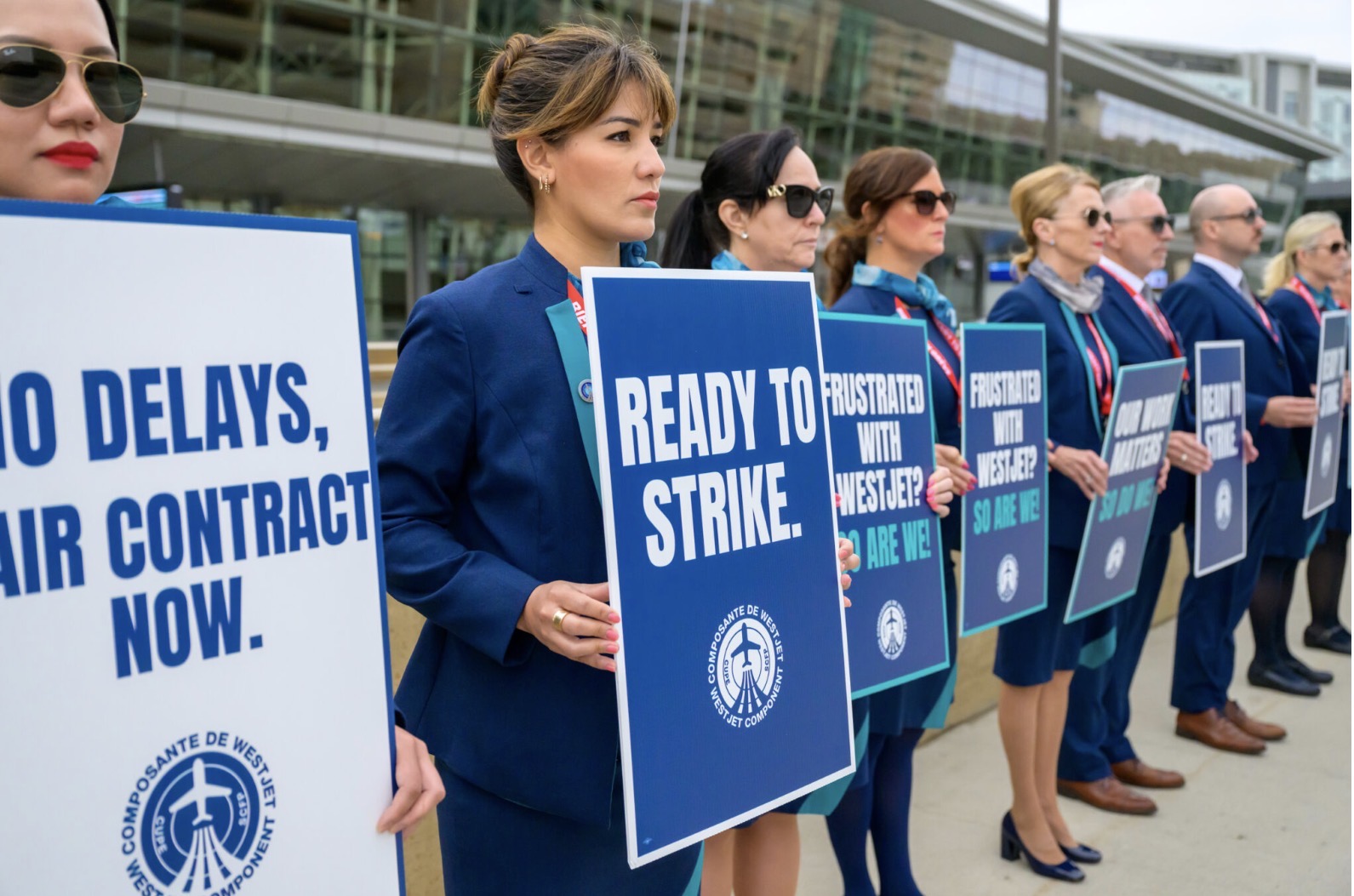
The dispute centers around the issue of WestJet’s compensation of its flight attendants. CUPE represents over 4,400 flight attendants at the Canadian airline and has said it intends on seeking pay for its members from the time they check in to work until they clock out, rather than just when the aircraft is in motion. The union claims that flight attendants are performing up to 35 unpaid hours of work every month, mainly related to their ground duties that they say they are not properly paid for.
According to CUPE, junior crew on shorter domestic flights are particularly affected by this. Union representatives have even argued that with these hours considered, many flight attendants are earning below minimum wage on WestJet’s current pay structure.
On the other side of these strikes, WestJet has rejected the Canadian Union of Public Employees’ claims. The airline has stated that it offers a higher ‘credit hour’ system, rather than an hourly rate, to account for these ground duties. WestJet says that as such, it adequately compensates its cabin crews for all their working hours with a system that reflected North American industry standards.
Alia Hussain, president of CUPE’s WestJet branch, said:
“We are on strike because we believe we deserve better. We are ready to go back to the table to settle.”
The union gave WestJet 72 hours’ notice on Thursday, signalling a strike could occur if an agreement wasn’t reached. In response, WestJet issued a lockout notice, which effectively stops those on strike from returning to work until the dispute is resolved.
WestJet’s rejected deal
Following the breakdown in talks and the beginning of strike action, WestJet has released details of the proposal it offered CUPE in efforts to avert a strike. According to these details, their proposed deal included a 13% wage increase in 2026 followed by a 2.5% wage increases every year after through 2029.
WestJet has also claimed they offered additional pay for all hours flight attendants had worked, equivalent to an additional 12% salary increase. The airline stated the premium had been offered to satisfactorily resolve the union’s complaints about fair compensation for ground duties.
CEO of WestJet Alexis von Hoensbroech said this about the industrial action and failed deal made by WestJet:
“We presented a proposal that would have set a new standard for cabin crew in Canada, making WestJet the only airline to offer an hourly rate covering all time before and after flights, plus a double-digit wage increase in year one among other priorities the union raised. Unfortunately, it wasn’t accepted.”
Patty Hajdu, Canada’s minister of jobs and families, commented that the strike was “disappointing”. She also stated that:
“Our top mediators have been working with CUPE and WestJet around the clock and remain available to help them reach a deal as soon as possible.”
Last year, Air Canada, the country’s national carrier, also faced industrial action before the Canadian government intervened to stop the strikes and minimise disruption to both travellers and the nation’s economy. Eventually flight attendants defied that order, however. Hadju, who was responsible for the intervention last year, has yet to comment on whether government intervention is planned.
The Canadian Union of Public Employees’ WestJet branch expressed that it hoped the government would not interfere in the bargaining process it had just begun.
Chaos for passengers as WestJet mass cancels flights
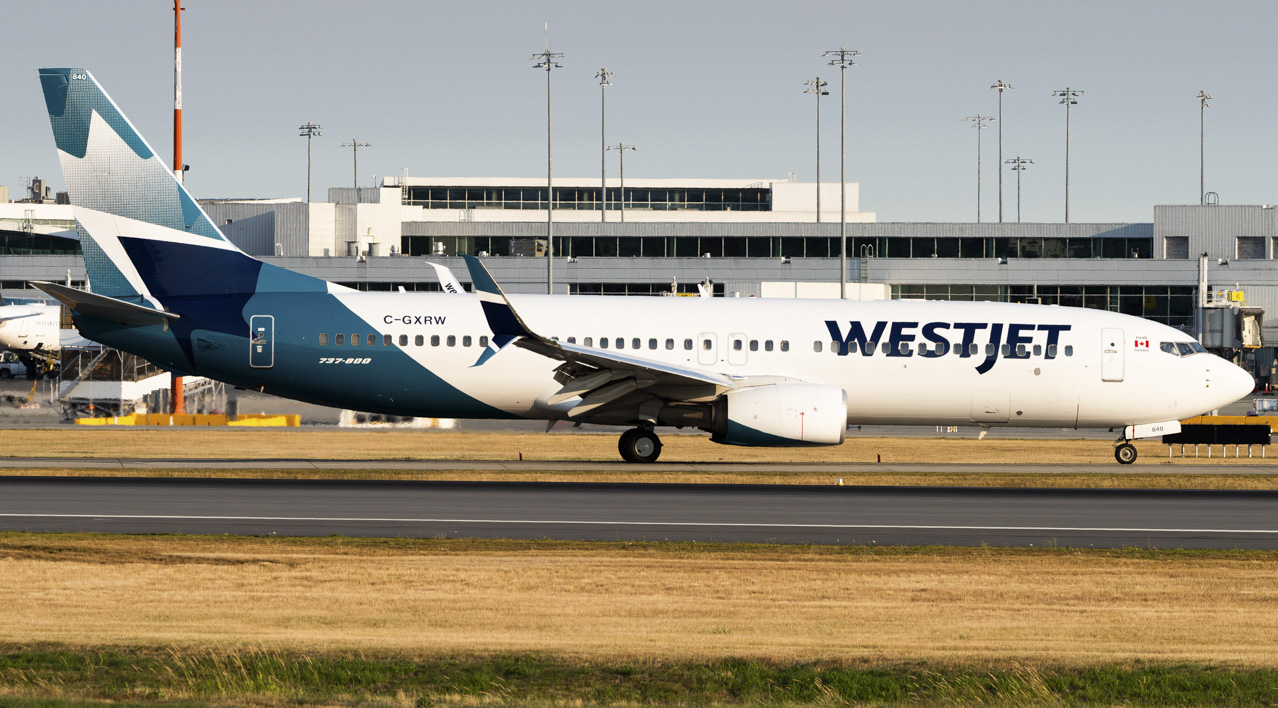
The strike of WestJet’s flight attendants prevents the airline, which is a major player in Canada’s aviation industry and flies to over 100 destinations worldwide, from flying both its Boeing 737 and Boeing 787 aircraft.
Over 600 flights have been cancelled since Friday, and the delays are expected to continue past Canada’s long weekend. Early estimates speculate that approximately 250,000 travelers that were booked with WestJet have had their flights cancelled so far.
In response to the increasing complaints from customers about the lack of communication from WestJet in regard to last-minute cancellations and difficulty rescheduling flights, WestJet has said it will either fully refund or re-accommodate affected passengers as appropriate. The airline has said it will contact those booked with them directly via email whilst encouraging those who have booked through a travel agent or third party company to reach out to them directly.
Negotiations and bargaining are reportedly ongoing even as flight attendants join picket lines outside of Toronto Pearson International Airport (YYZ).
What do you think of the WestJet strikes? Have you ever been affected by strike action whilst travelling? Let us know in the comments.