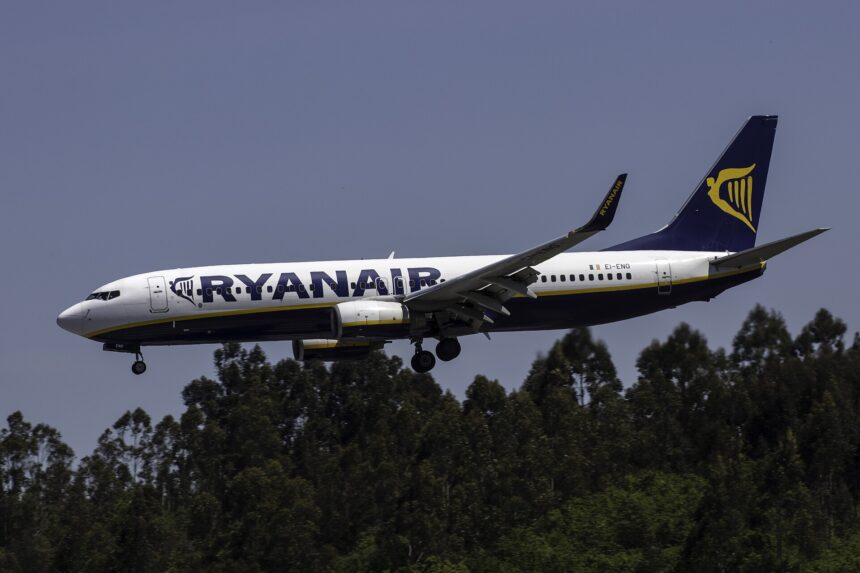
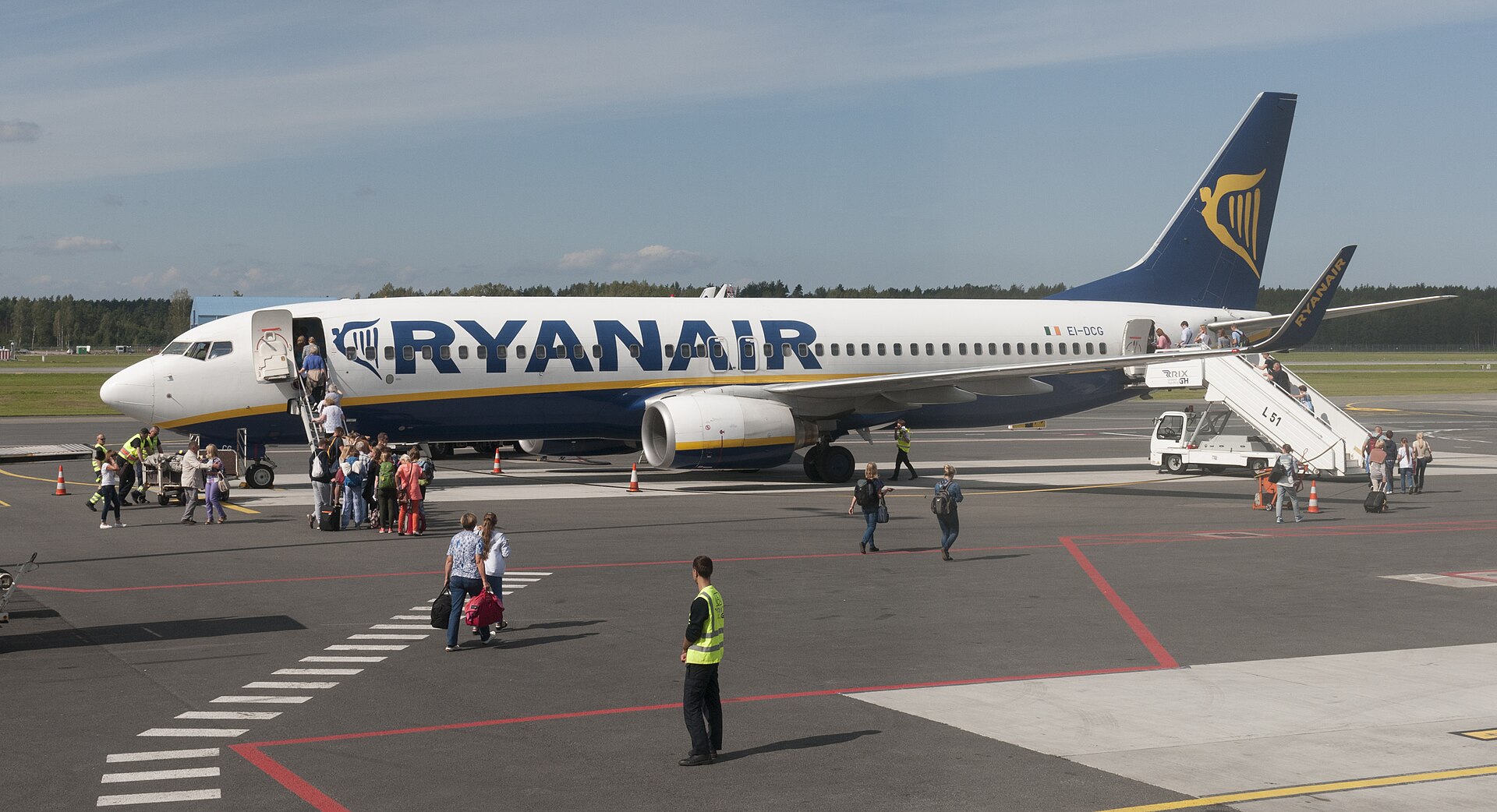
The popular British budget carrier Ryanair has suggested that fares will be low for the duration of the remaining peak summer period. This comes after the company reported that profit had not reached predicted levels.
Amidst current global instability and an increasingly volatile fuel market, air travel has been wrapped up in uncertainty for most of 2026. This has resulted in a huge reduction in forecasted profit for the industry this year, with the International Air Transport Association (IATA) reporting that global airlines are now predicted to earn $23 billion in net profit in 2026, almost half its prior projection of $41 billion.
Despite being Europe’s largest airline by passenger numbers, Ryanair has not been spared from this dramatic decline. The British budget airline reported earlier in the year that first-quarter average fares were 6% lower than the same period last year. When asked why, Ryanair’s Chief Executive Michael O’Leary also attributed the decrease to the conflict in West Asia, commenting that it,
“led to consumer hesitancy, concerns about EU jet-fuel shortages, economic uncertainty and later bookings.”
To exacerbate this drop, Ryanair also reported lower profit levels than were predicted in analyst forecasts for its April-June quarter, the start of peak travel season. The airline shared an after-tax profit of 538 million euros ($615.6 million) up to June 30, compared with a forecast of 579 million euros in a company poll of analysts.
O’Leary also highlighted that Ryanair was becoming heavily dependent on ‘close in bookings’, the industry term for last minute reservations, as the main driving force of profit. This is because of dynamic pricing, which keeps budget airlines in the mainstream by minimising costs while filling seats on flights. As a result of Ryanair’s Q2 pricing trending downwards and profit not living up to forecasted levels, Ryanair suggested that fares would be moderately flat from July through to September to help bolster profit.
However, Ryanair’s Chief Financial Officer Neil Sorahan emphasised that this drop would likely be short lived. Sorahan suggested this was due to emerging changes and airline failures which he predicts will remove capacity and therefore shift competition, strengthening Ryanair’s position. The most publicised of these includes the potential sale of rival British budget carrier easyJet, which is currently the subject of an intense bidding war.
Will you be making the most of low fares this summer? Let us know in the comments.