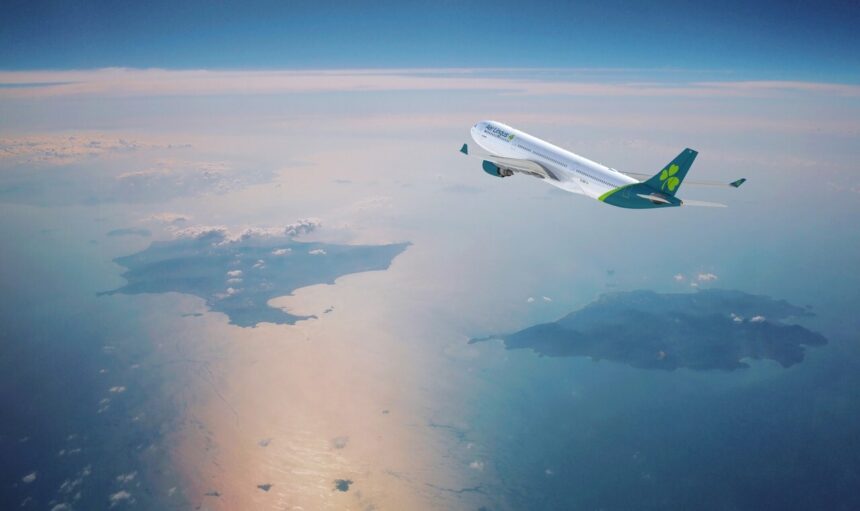
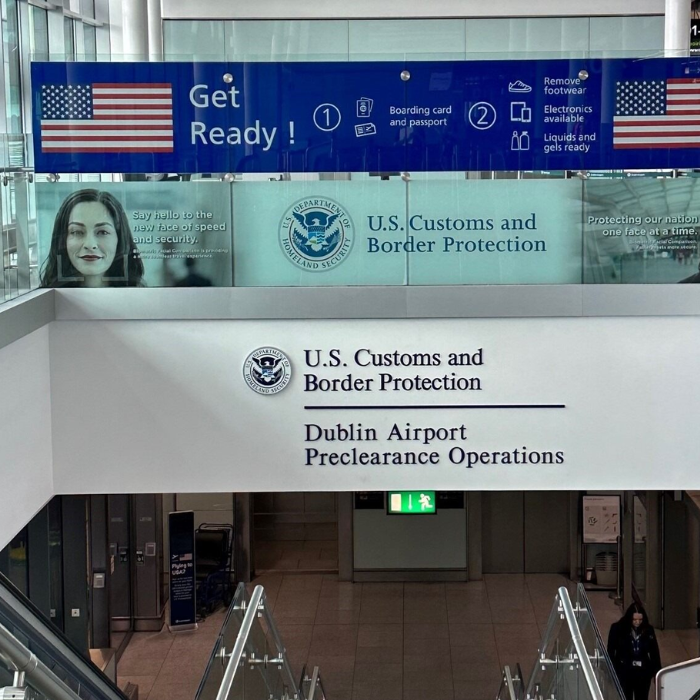
Aer Lingus has launched a sweeping restructuring plan that sees up to 500 job cuts and reduce flight capacity by 6% as the airline battles rising fuel costs and mounting competitive pressure. Several transatlantic and European routes will be withdrawn or downgraded, and the carrier will shrink its summer 2027 fleet to align with a leaner schedule. The move follows a 103 million euros first‑quarter loss and marks one of the most significant operational resets in the airline’s recent history.
Rising fuel costs and competition trigger significant cuts across operations
CEO Lynne Embleton stated:
“An efficient cost base, coupled with investment in our customer experience will enable Aer Lingus to fulfil its ambition to be the airline of choice connecting Europe with North America, support future growth and continue to provide connectivity and significant economic contribution to Ireland.”
She explained that “accelerated transformation” is required to weather industry turbulence and position the airline as a strong investment case within the broader IAG group. Aer Lingus has now set a target of an operating margin of 12% to 15%.
The proposed job cuts will impact an overall workforce estimated between 6,000 and 6,500 employees. The expected reductions are broken down as follows:
Flight cuts extend into next summer as fleet is scaled back
The 6% cut to short-haul and long-haul flights to and from Dublin Airport will begin in late September and continue into next summer. To align with this reduced schedule, the airline will scale back its peak summer 2027 fleet by no longer using two A330 and four A320 aircraft:
Discontinued entirely: Denver (after Sept. 28), Split (after Sept. 29), Minneapolis (after Oct. 24), and Las Vegas (after Dec. 3).
Downgraded to summer-only: Seattle (after Oct. 24), Frankfurt and Hamburg (after Nov. 2), and Malta (after Nov. 3).
Aer Lingus said that impacted customers are being contacted directly regarding refunds or alternative travel arrangements.
The airline said it will engage with staff and its representatives in the Fórsa union to achieve cost efficiencies and improved productivity. Hazel Nolan, Fórsa’s national secretary, acknowledged the pressures in the aviation sector but stressed that compulsory job losses must be treated strictly as a last resort, stating:
“Aer Lingus has a highly skilled and experienced workforce which has been central to its success. Any restructuring must recognise that reality and avoid measures that would weaken the airline’s capacity into the future.”
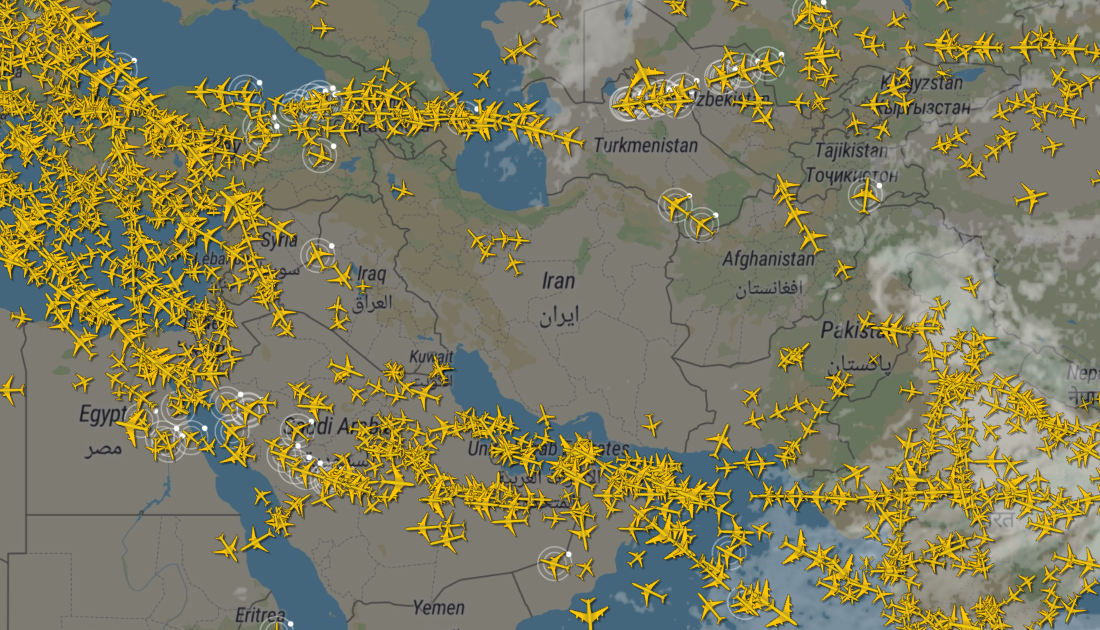
Middle East conflict triggers widespread suspensions across major airline networks
Aer Lingus isn’t the only airline taking severe measures to survive the current geopolitical and economic crisis facing the global aviation industry.
The escalating conflict in the Middle East has forced multiple global airlines to reduce or halt operations over Gulf territories. British Airways has delayed its return to the region, suspending routes to Dubai, Tel Aviv, Bahrain, and Amman until October 25, and permanently axing its Jeddah flights.
Similarly, the Lufthansa Group and Air Canada have placed routes to major Middle Eastern hubs on hold until late October, while Air France, Cathay Pacific, and KLM maintain widespread suspensions.
Multiple European carriers are considering restructuring, according to industry analysts quoted by Reuters, while the wider market is facing a wave of buyouts and potential bankruptcies. British budget airline EasyJet is close to a U.S.-led takeover that would take the 30-year-old company private at a valuation significantly below its pre-pandemic peak.
Other vulnerable airlines include airBaltic, which is seeking short-term financing to stave off default, and Norse Atlantic, which is undergoing a strategic review. Aviation analysts warn that budget carrier Wizz Air is a possible consolidation target due to a vulnerable balance sheet. Rising fuel and operational costs have already contributed to the collapse of the U.S. low-cost carrier Spirit Airlines in May this year.
Do you think these changes are a necessary reset, or does it signal deeper trouble ahead? Let us know in the comments below.