The Federal Aviation Administration (FAA) has prohibited parallel landing at San Francisco International Airport (SFO). Half of the services arriving during the busiest hours, 1 p.m. to 9 p.m., have been delayed, given the new landing safety regulation.
The Reason for the Prohibition
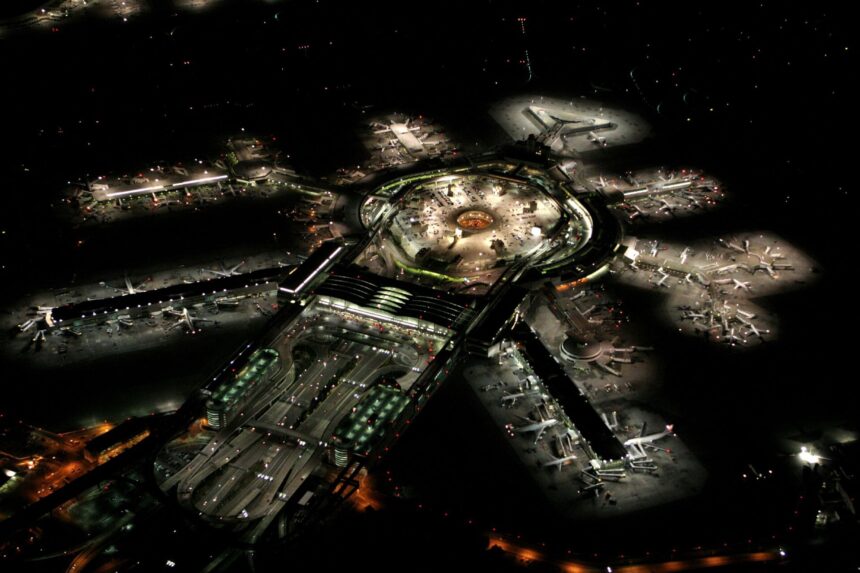
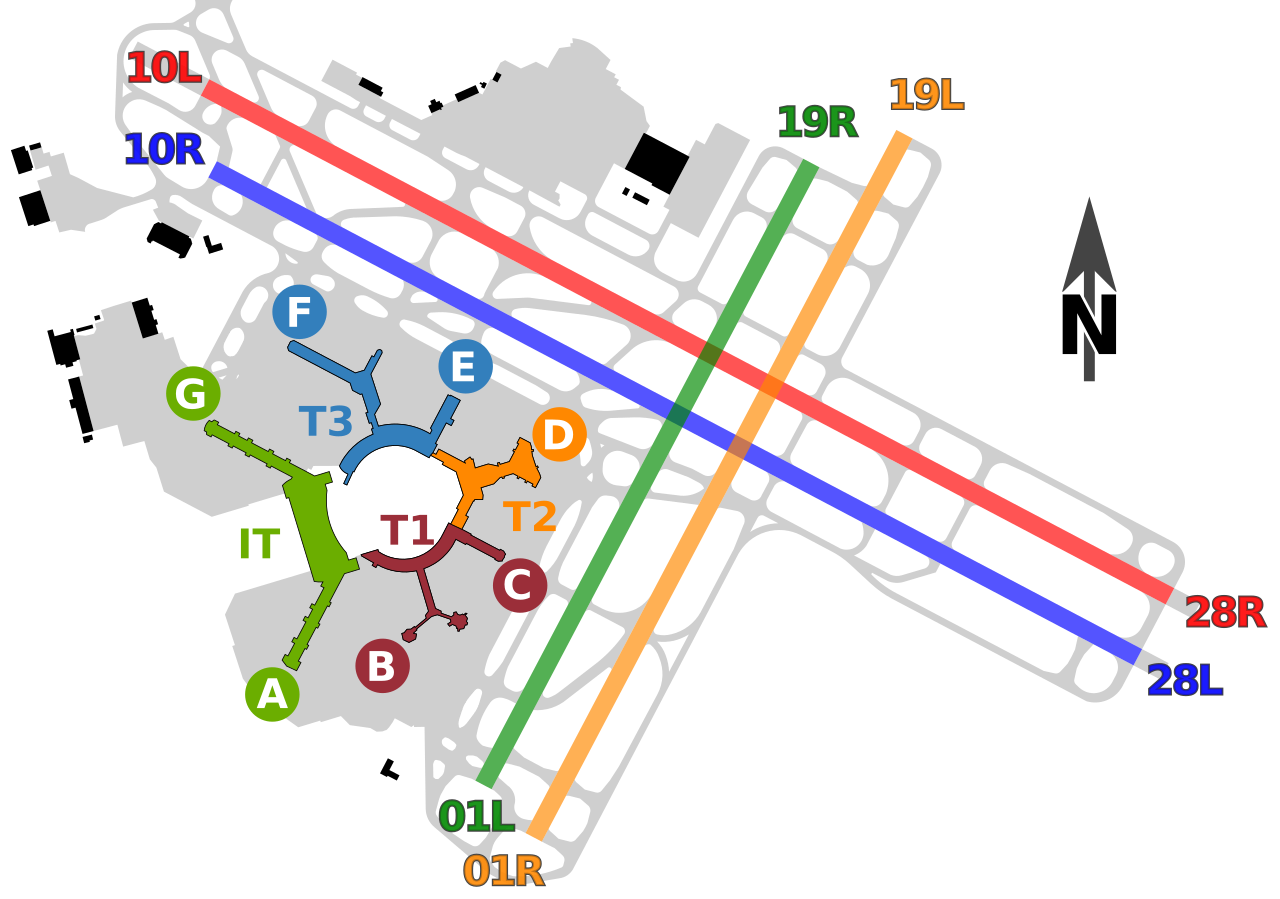
Since the FAA’s decision on April 1, 2026, the number of delays seen in San Francisco Airport have significantly increased when contrasted with numbers from 2025. The reason for the banning is simple: safety; two of the airport’s runways, 28L and 28R, are too close together, only 750 feet apart.
Given the close proximity of the runways, the FAA opted to ban parallel landing. The authority demonstrated that this type of landing presents too much risk for both near misses and potential collisions. The FAA was motivated when the American Airlines Flight 5342 crashed with an Army helicopter over Washington Dulles (IAD), in January 2025. This fatal accident led to the passing of 67 people including crew, passengers and service members.
The Delays
A spokesperson for San Francisco Airport, Doug Yakel, explained that the airport is not equipped to deal with the new rules, which is causing the delays. He then clarified:
“flights at SFO were 1.8 times more likely to be delayed between April 1 to May 16 in 2026 compared to the same period in 2025.”
SFO has disclosed that the delays regarding domestic arrivals and departures have increased in 43%, whereas international services have seen a 35% growth. Additionally, it is said that departures have been more delayed when compared with arrivals, from 16% to 45% contrasting with 2025.
Parallel landing was beneficial to the airport as it took advantage of San Francisco’s foggy and windy weather. This method of landing could land more flights when there was an opening in the weather. However, the risks are very likely, hence the FAA’s decision.
What measures do you think the airport should adopt to solve the issue? Why? Let us know your thoughts in the comments.