
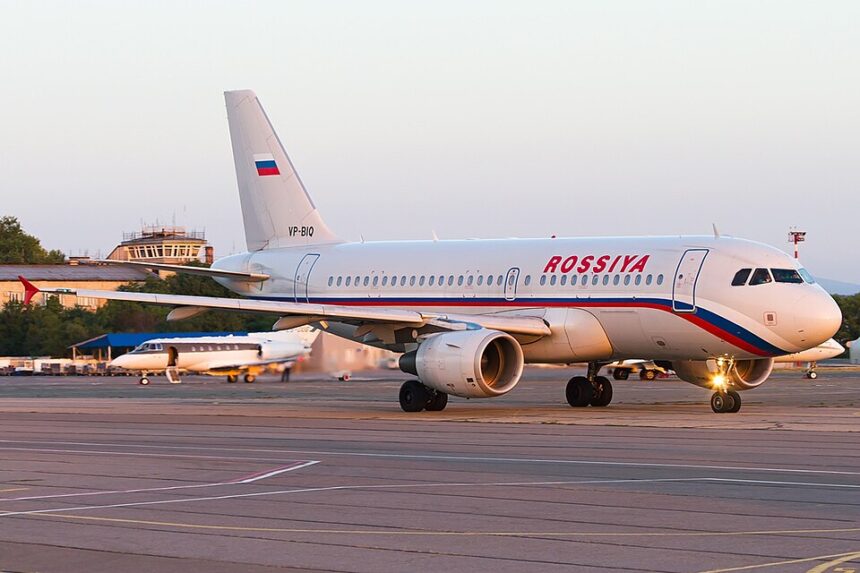
Sanctions, aircraft shortages and mounting operational pressures are forcing Russian airlines to shrink their international networks, leaving travellers with fewer direct overseas options even as domestic demand remains resilient.
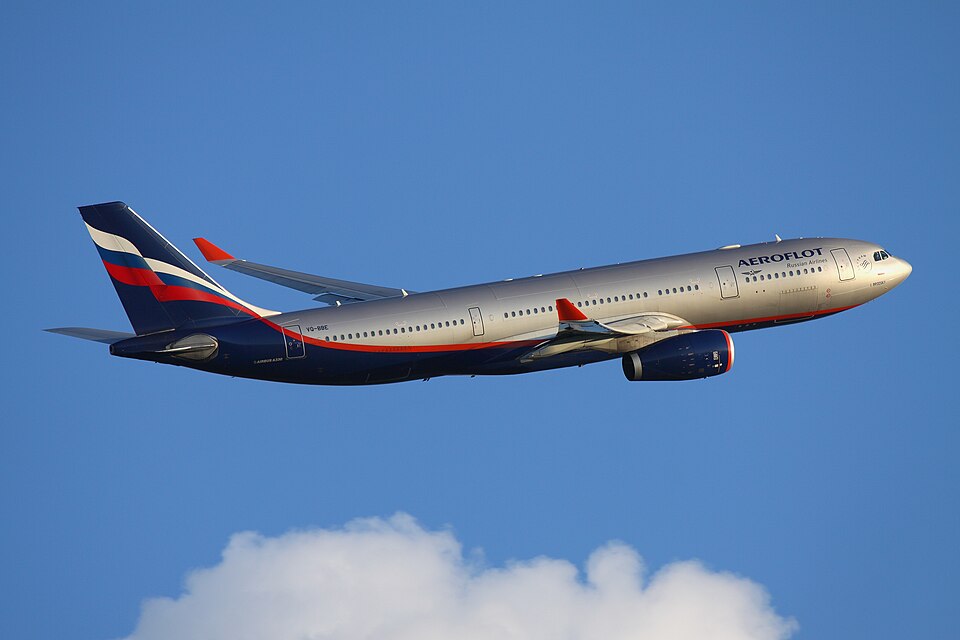
Russian summer flight schedule below Soviet-era levels
Russian airlines will offer direct flights to around 31-33 countries during the summer 2026 schedule, roughly 25% fewer than during the winter season and significantly below Soviet-era levels, according to Russia’s Association of Tour Operators of Russia (ATOR).
ATOR said Russia’s international route network had included up to 43 countries during winter 2025-26, but numerous routes have since disappeared because of seasonality, fuel pressures, geopolitical instability and disruption linked to the Middle East crisis.
ATOR noted that many destinations are effectively inaccessible for mass tourism because Russian authorities banned package tours earlier this year to Bahrain, Israel, Iran, Qatar, the UAE, Oman and Saudi Arabia. Additionally, Russian travellers have also lost direct flights to Cuba and Venezuela.
Despite the reductions, Russian airlines will continue to operate direct flights to destinations including China, Turkey, the UAE, Thailand, Egypt, the Maldives, India and Serbia.
The ATOR estimated that no more than 15 countries will remain realistically available for organised mass tourism via direct flights from Russia this summer.
Furthermore, ATOR has said that demand for international travel has not weakened but has instead become concentrated in a small number of international destinations as well as domestic destinations.
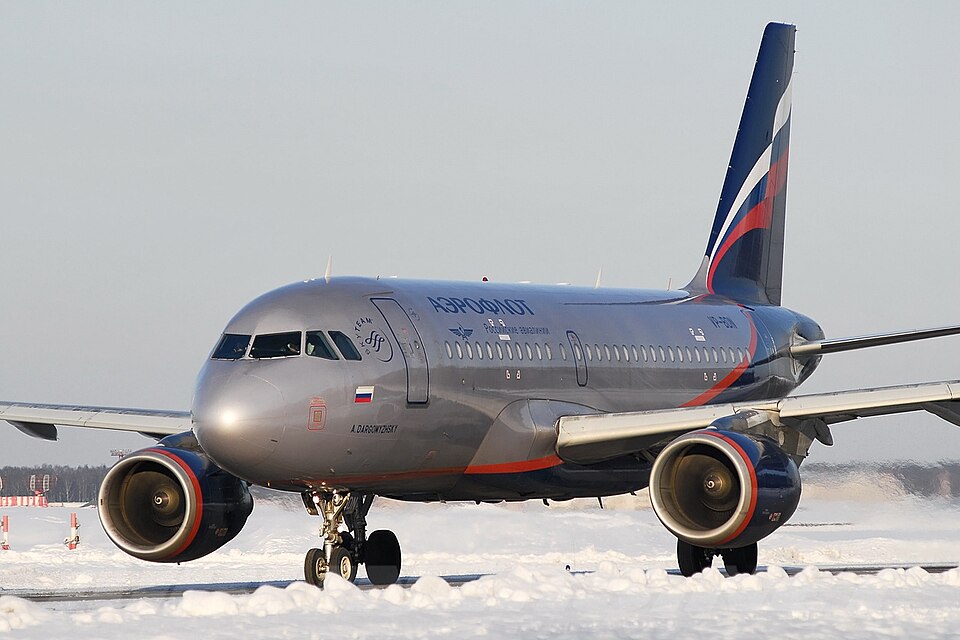
Aircraft shortages and sanctions put pressure on Russian aviation industry
Since Russia’s invasion of Ukraine in 2022, member states of the European Union (EU), the UK, the US and several other countries have banned Russian airlines from operating in their airspace or using their airports.
These restrictions cut Russian travellers off from direct flights to dozens of countries and forced many to rely on indirect routings through international hubs such as Istanbul and destinations in the Middle East.
Restrictions on airspace access, aircraft parts, engines and maintenance support have complicated operations for Russian airlines, particularly those operating Airbus and Boeing fleets.
At the same time, Russia’s efforts to expand production of domestically built aircraft have faced repeated delays, leaving airlines with limited options to replace ageing Western-built aircraft.
The strain might possibly force Russian operators to reactivate retired Soviet-designed aircraft, which include Tu-204s, II-96s and Boeing 747-400s, to maintain capacity.
Meanwhile, Russia’s aviation regulator and state oversight bodies have identified hundreds of aircraft with maintenance and safety violations in recent years amid growing pressure to keep fleets operational in spite of parts shortages.
With no clear end to the war or sanctions regime in sight, analysts expect Russia’s aviation sector to remain under mounting strain as fleets age and replacement aircraft continue to arrive more slowly than originally planned.
At present, Russia’s airlines continue to function as travel demand remains resilient and despite a dwindling fleet of serviceable aircraft, mounting cost of sanctions and wartime pressures on the country.
What are your thoughts on this article? Let us know in the comments below.