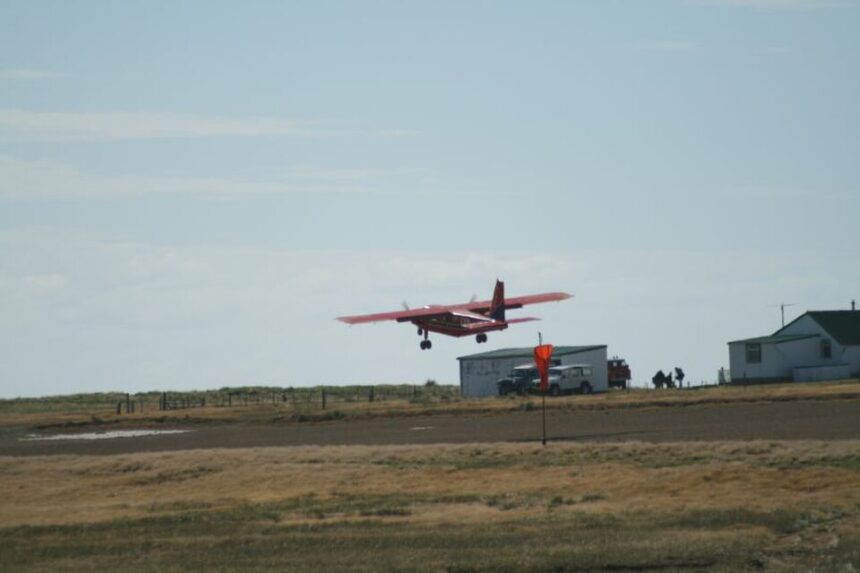
The Falkland Islands Government Air Service (FIGAS) has announced temporary reductions to its winter flight schedule as the carrier works to preserve its ageing aircraft fleet and complete urgent maintenance. The move comes as delayed deliveries of new Britten-Norman Islander aircraft continue to place pressure on one of the world’s most remote aviation networks.
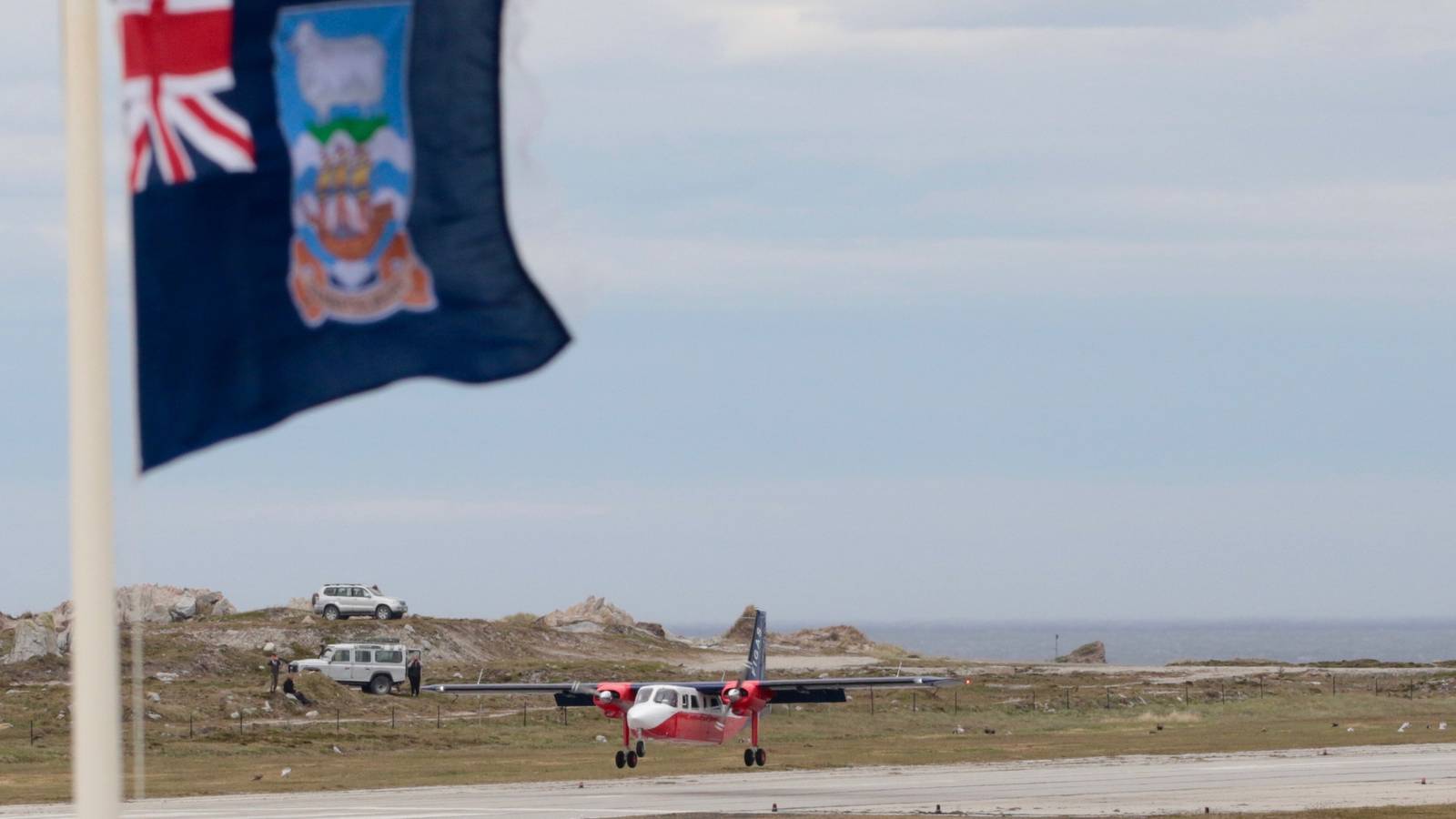
Fleet maintenance and delayed aircraft deliveries
Operating across isolated settlements in the South Atlantic, FIGAS serves as a vital transport lifeline for residents, freight, medical services, and tourism throughout the Falkland Islands.
Under the revised winter programme, FIGAS will suspend scheduled flights on Wednesdays and Thursdays between May and September 2026. According to the Falkland Islands Government, the changes will allow engineers additional time to complete corrosion repairs and mandatory maintenance inspections on the airline’s fleet of Britten-Norman Islanders.
The aircraft operate in harsh maritime conditions that accelerate wear and corrosion, creating ongoing engineering challenges for the government-owned carrier. FIGAS is also attempting to preserve airframe hours ahead of the busier Austral summer season, when passenger demand across the islands increases significantly.
The situation has been worsened by delays to new BN2B-26 Islander aircraft ordered from UK manufacturer Britten-Norman. Deliveries are now expected later in 2026, extending the operational lifespan of the current fleet.

A vital air link for remote communities
Unlike traditional regional airlines, FIGAS provides an essential public service across the Falkland Islands, connecting remote communities that often have limited road access. The airline transports residents, medical patients, mail, supplies, government workers, and tourists between settlements using short grass airstrips spread across the islands.
The carrier has relied on the Britten-Norman Islander since the late 1970s for its ability to operate in difficult weather conditions and on short runways. However, many of the aircraft currently in service are more than three decades old, highlighting wider challenges facing remote regional operators globally.
Despite the reduced winter schedule, FIGAS has confirmed that emergency and essential flights will continue, with additional services added where operationally possible.
The temporary reductions to FIGAS operations demonstrate the growing pressures facing regional and remote aviation operators that depend on ageing specialist aircraft. While new Islanders are expected to modernise the Falklands’ fleet in the coming years, the current situation highlights how critical maintenance, supply chains, and aircraft availability remain for isolated communities.
For the Falkland Islands, aviation is not simply about convenience; it is an essential connection that supports everyday life in one of the world’s most remote inhabited regions.
What do you think about the challenges facing remote regional airlines and ageing aircraft fleets? Let us know your thoughts in the comments.