Airlines and other service-sector companies are increasingly introducing fuel surcharges, responding to sharply rising operating costs, according to a UK industry survey. According to the Guardian, a poll by S&P Global found that nearly six in ten firms reported higher average costs in April, marking the fastest pace of price increases in more than three years.
Rising fuel and wage costs push prices higher across services
The rise is being driven primarily by surging fuel prices and higher wage bills, alongside increased costs for materials such as metals and plastics. The trend has contributed to a broader acceleration in service-sector inflation, with businesses reporting that they are passing costs on to customers more frequently than in previous months.
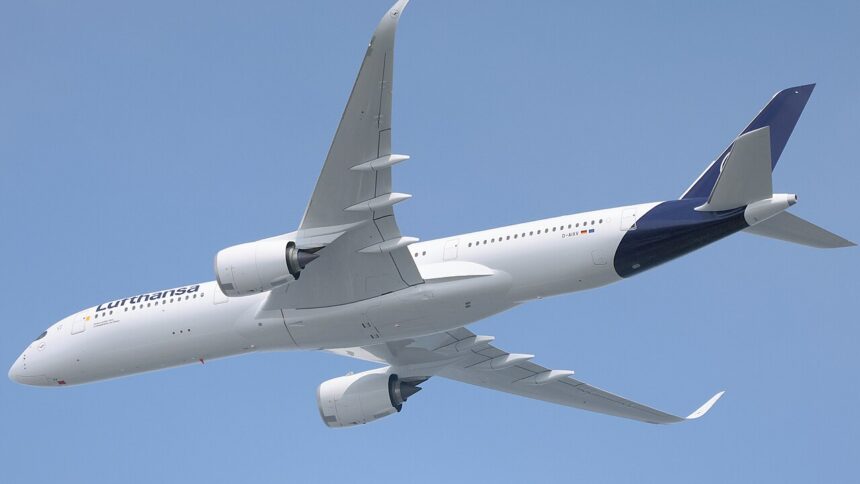
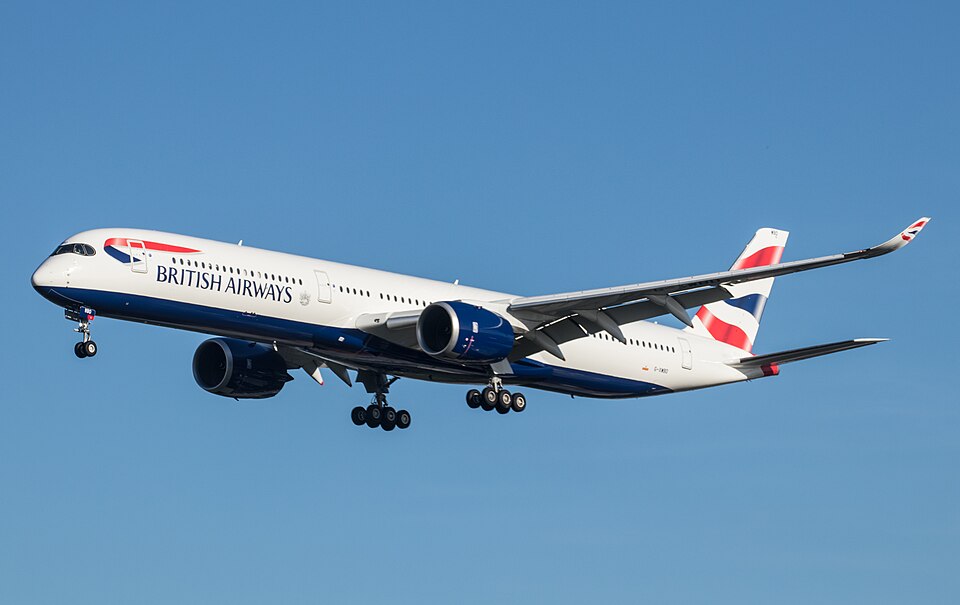
Major airlines are among those responding directly to the inflationary environment. International Airlines Group (IAG), the parent company of British Airways, Iberia, Aer Lingus, and Vueling, has said it is making pricing adjustments to reflect higher fuel costs, though it has not formally labelled them as surcharges.
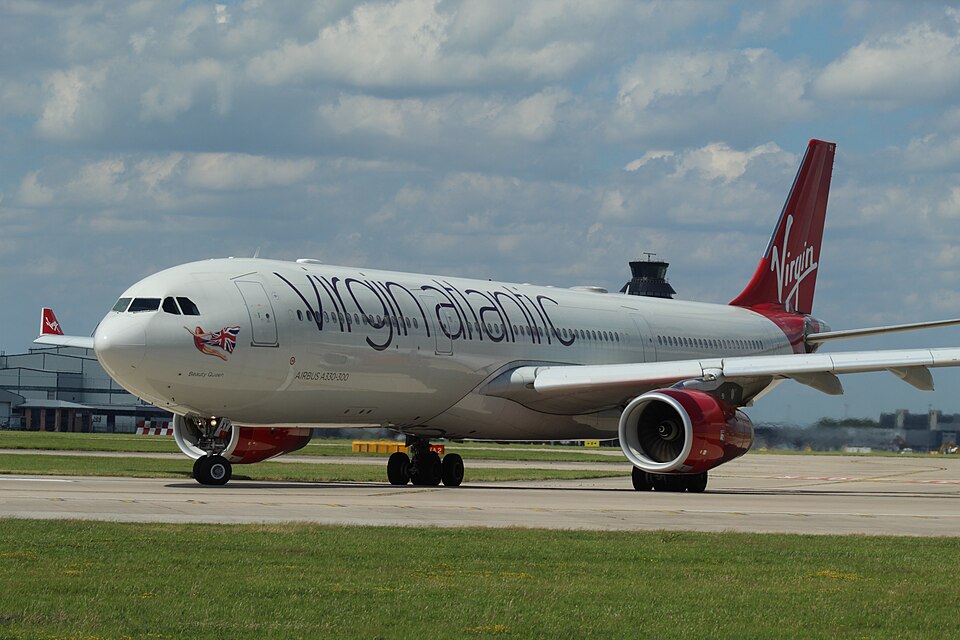
Other carriers have been more explicit. Virgin Atlantic has introduced additional charges of up to £360 on business class tickets, with smaller fees applied to economy fares. The airlines leadership has indicated that profitability remains under pressure despite efforts to offset rising expense.
Broader economic uncertainty and inflation outlook
Rising fuel and wage costs are feeding into broader economic uncertainty, with S&P Global economist Tim Moore warning that inflationary pressures linked to energy markets and geopolitical instability could persist. According to the Financial Times, a growing number of firms across transport and services report reduced confidence in investment decisions, while some indicate that demand conditions remain uneven.
Although some indicators of business activity have shown modest improvement, economists caution that this may be temporary if energy prices remain unstable. Brent crude oil prices have fluctuated amid geopolitical tensions, with the article noting that the global oil benchmark fell below $100 a barrel on hopes of renewed efforts to reopen the Strait of Hormuz. The outlook remains uncertain as energy markets and global economic conditions continue to evolve.
What do you think about airlines turn to surcharges, as costs rise? Let us know in the comments below.