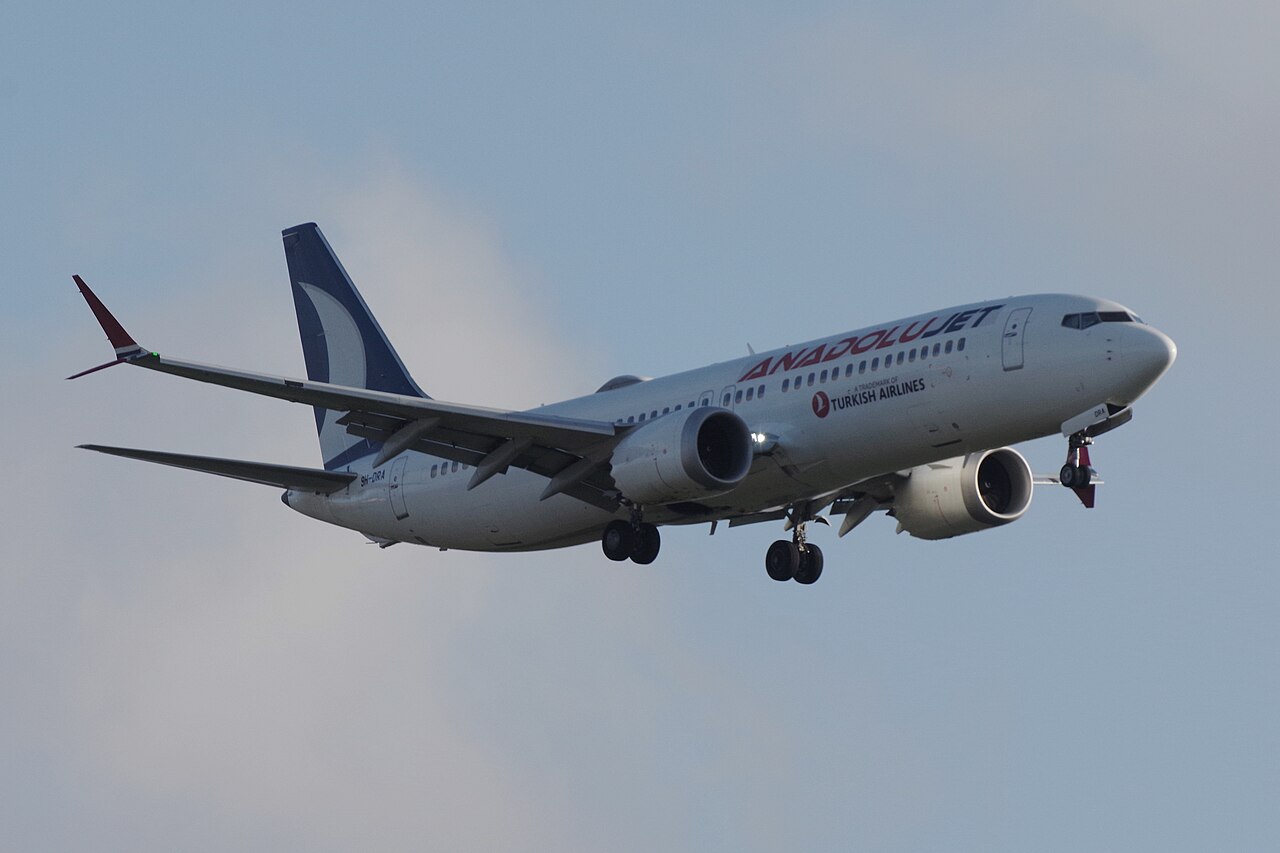
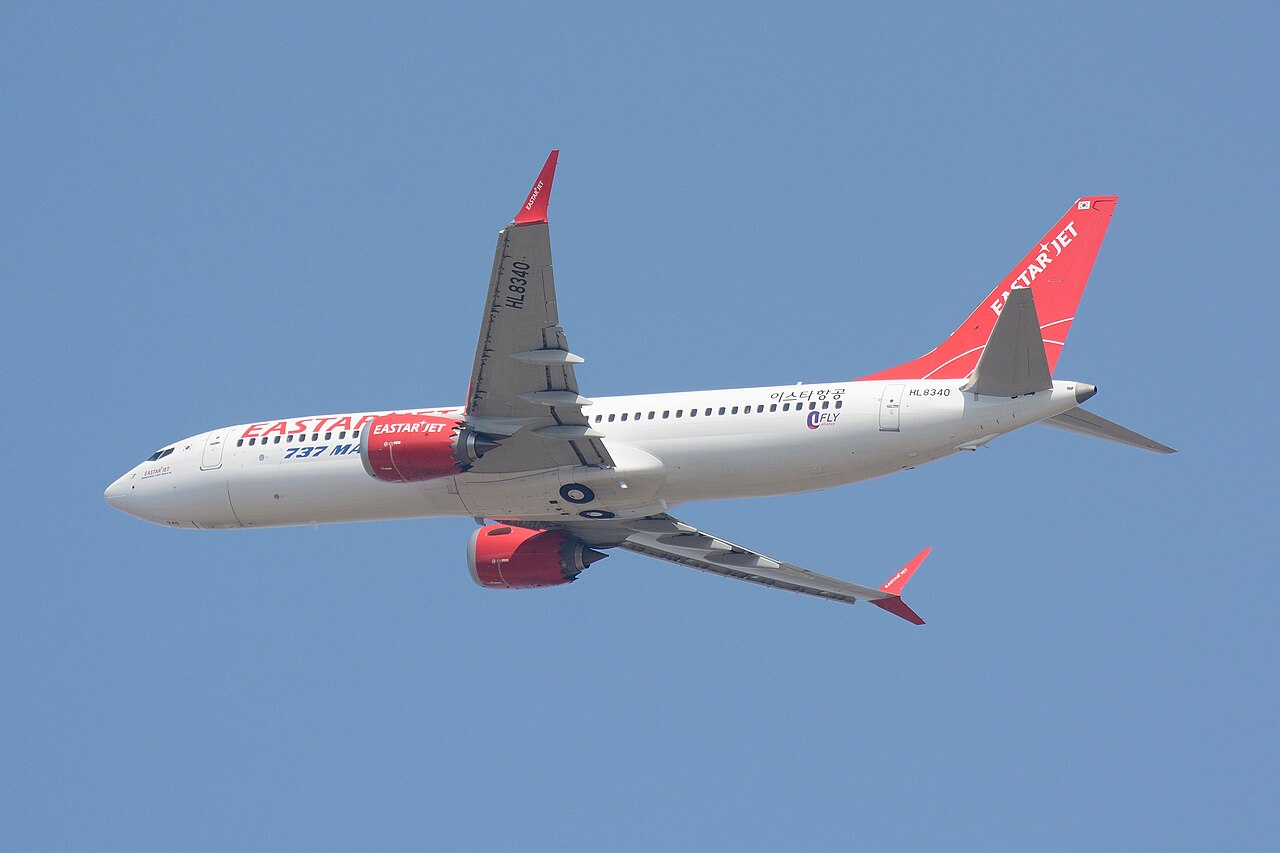
Boeing stated on Tuesday, March 10, that the first-quarter deliveries of its new jet, the narrowbody 737 MAX, are likely to face delays due to wiring flaws. This setback is particularly important for Boeing, as the manufacturer has had a long history of disputes with safety regulators.
Boeing’s Relationship with Regulators
Boeing has been on a quest of showing regulators that it can make progress in reducing quality defects, especially after the controversial events of January 2024 when a panel blew off a recently received MAX jet while in the air. The Federal Aviation Administration (FAA) has since reduced the restrictions it had imposed of Boeing, and airlines have been reporting an increase in the quality of aircraft they received.
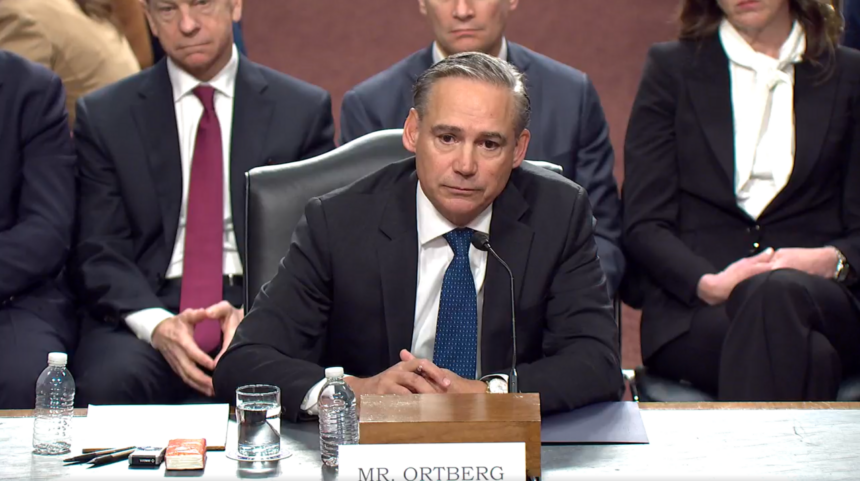
In January, Boeing’s Chief Executive Officer, Kelly Ortberg, has communicated the following to employees:
“As we work together to continue our turnaround, we’re making good progress and there’s a lot to be optimistic about.”
Technical Specifics of the wiring flaws
So far, Boeing has said that it wants to keep the production of its airplanes at 42 jets a month, which is the existing rate. Boeing has additionally stated that:
“Our 737 program is performing rework on a group of airplanes to fix wires that have small scratches due to a machining error.”
Boeing is also stating that all in-service 737 MAX airplanes can continue to operate safely and do not need to be called back, though it will notify airlines if necessary.
The company is opening a fourth 737 MAX assembly line at its Everett, Washington plant this summer, planning to increase the assembly rate to 47 jets per month. Its stated goal for the next few years is to get to 63 B737 jets per month.
This event will further reflect on the company, as in Tuesday March 10 afternoon trading, Boeing’s shares were off by nearly 1%.
What effect will this have on the company’s reputation, considering its history? Will they be able to get back on the right track? Let us know in the comments!