
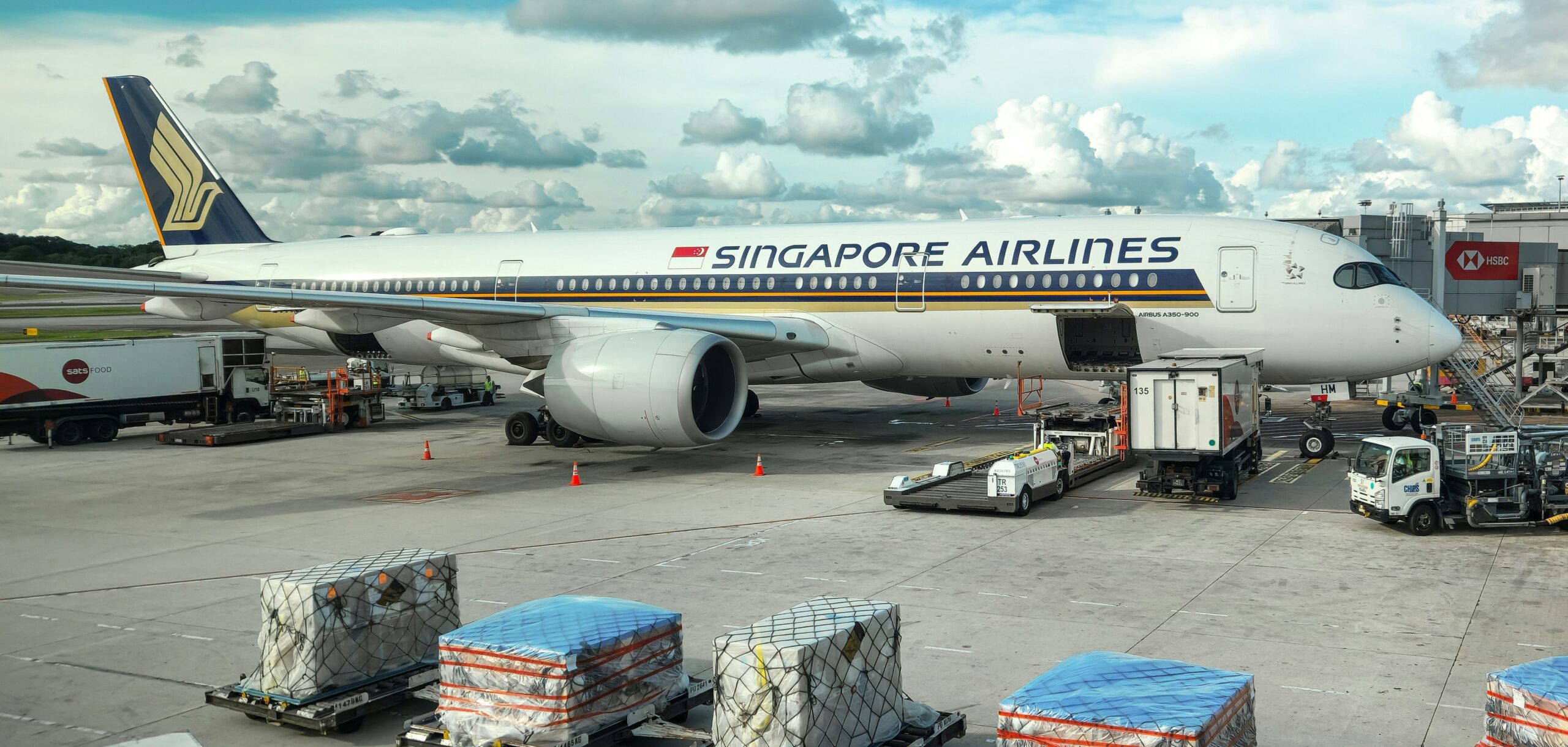
Singapore will become the first country to impose a nationwide sustainable aviation fuel levy, adding a small surcharge to tickets as it accelerates its push toward cleaner air travel.
Levy to Fund Cleaner Aviation
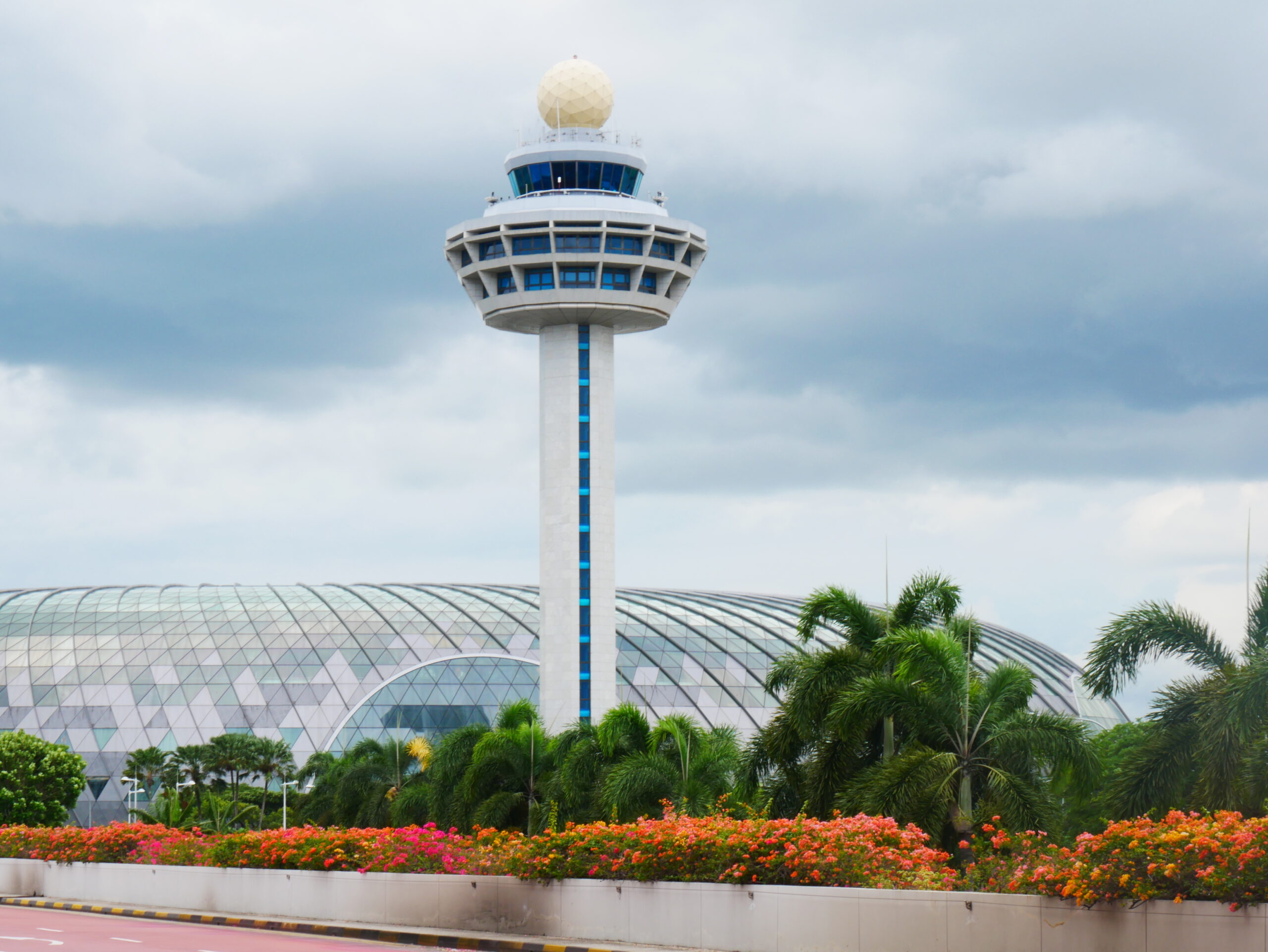
The levy, announced by the Civil Aviation Authority of Singapore, will apply to flights departing from Singapore’s Jewel Changi Airport (SIN) from Oct. 1 for tickets sold after April 1. The airport handled a record 70 million passengers in 2025, cementing its position as Southeast Asia’s busiest hub.
Under the new scheme, passengers will pay between 1 and 41.60 Singapore dollars per ticket, depending on distance and cabin class. The lowest charge applies to economy flights within Southeast Asia, while premium travellers flying to the Americas will pay the highest rate.
Cargo operators will also face a surcharge based on weight and distance. Authorities said the levy will be clearly itemised on tickets and freight contracts to ensure transparency.
The funds will support Singapore’s growing adoption of sustainable aviation fuel, or SAF, a cleaner-burning alternative typically produced from used cooking oil or agricultural waste. The global aviation sector is promoting SAF as a key tool to reduce carbon emissions without redesigning existing aircraft.
Daniel Ng, chief sustainability officer at the aviation authority, said:
“[The measure] allows all aviation users to do their part to contribute to sustainability at a cost which is manageable for the air hub.”
Region Poised as SAF Powerhouse
Singapore already hosts the region’s largest SAF production plant and will begin construction of a next-generation facility this year. Agreements are in place to supply carriers including Singapore Airlines and JetBlue Airways.
Across Southeast Asia, momentum is building. Thailand opened a new SAF plant in Bangkok in 2025. Malaysia and Vietnam reached domestic production milestones last year, while Indonesia recently announced expansion plans.
Industry leaders say abundant agricultural and forest waste give the region a competitive edge. The Association of Southeast Asian Nations estimates Southeast Asia could produce 8.5 million barrels of SAF per day by 2050.
Kelvin Lee of the International Air Transport Association said growing attention on the region is “natural” but stressed continued government backing will be essential to sustain progress.
Would you be willing to pay a small levy to support cleaner aviation fuel? Share your views in the comments below.