


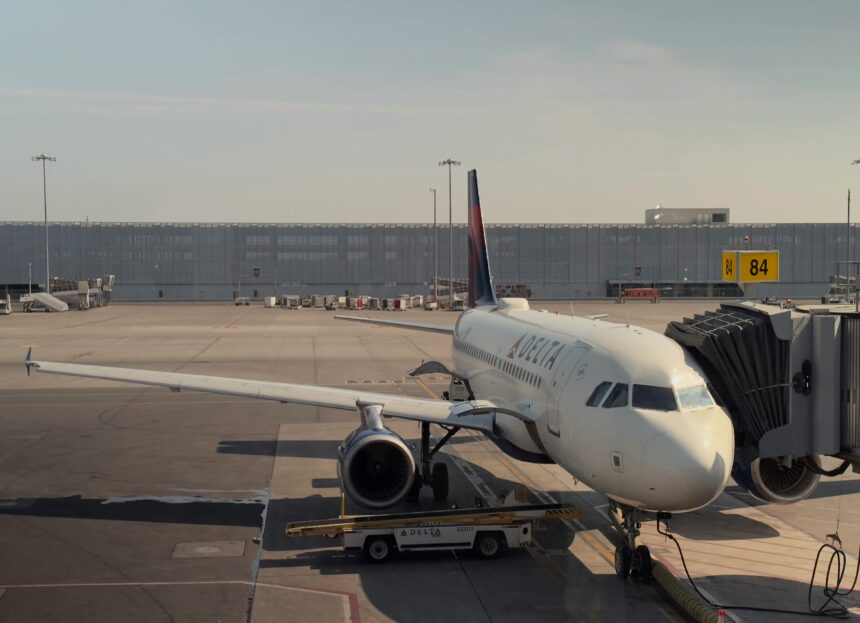
On the outside, aviation appears serene, yet underneath, it’s constantly tense. From the outside, it’s smooth boarding, quiet cabins, and people killing time in lounges before a flight. Some scroll social media, some grab coffee, and some even plan to play blackjack during a long layover. But behind that calm image, the industry is almost always in problem-solving mode.
Plans change. Routes shift. Aircraft get swapped. And sometimes, things go wrong in ways passengers never hear about.
2025 is no exception. If anything, it’s more complicated than ever.
Airlines Are Not Just Growing – They’re Adjusting
There was a time when airline success was measured mainly by size. More planes. More routes. More destinations. That mindset is fading.
Now it’s about flexibility.
Airlines are cutting some routes and expanding others. They are always reviewing what makes sense. Short-haul flights are becoming more important in many regions. Regional connections are being strengthened. Some long-haul routes are being reworked or delayed.
This isn’t random. Travel habits have changed. People travel more often, but for shorter periods. Business trips are more selective. Leisure travel is more frequent but less predictable. Airlines are reacting to real behavior, not forecasts.
And honestly, they don’t always get it right on the first try.
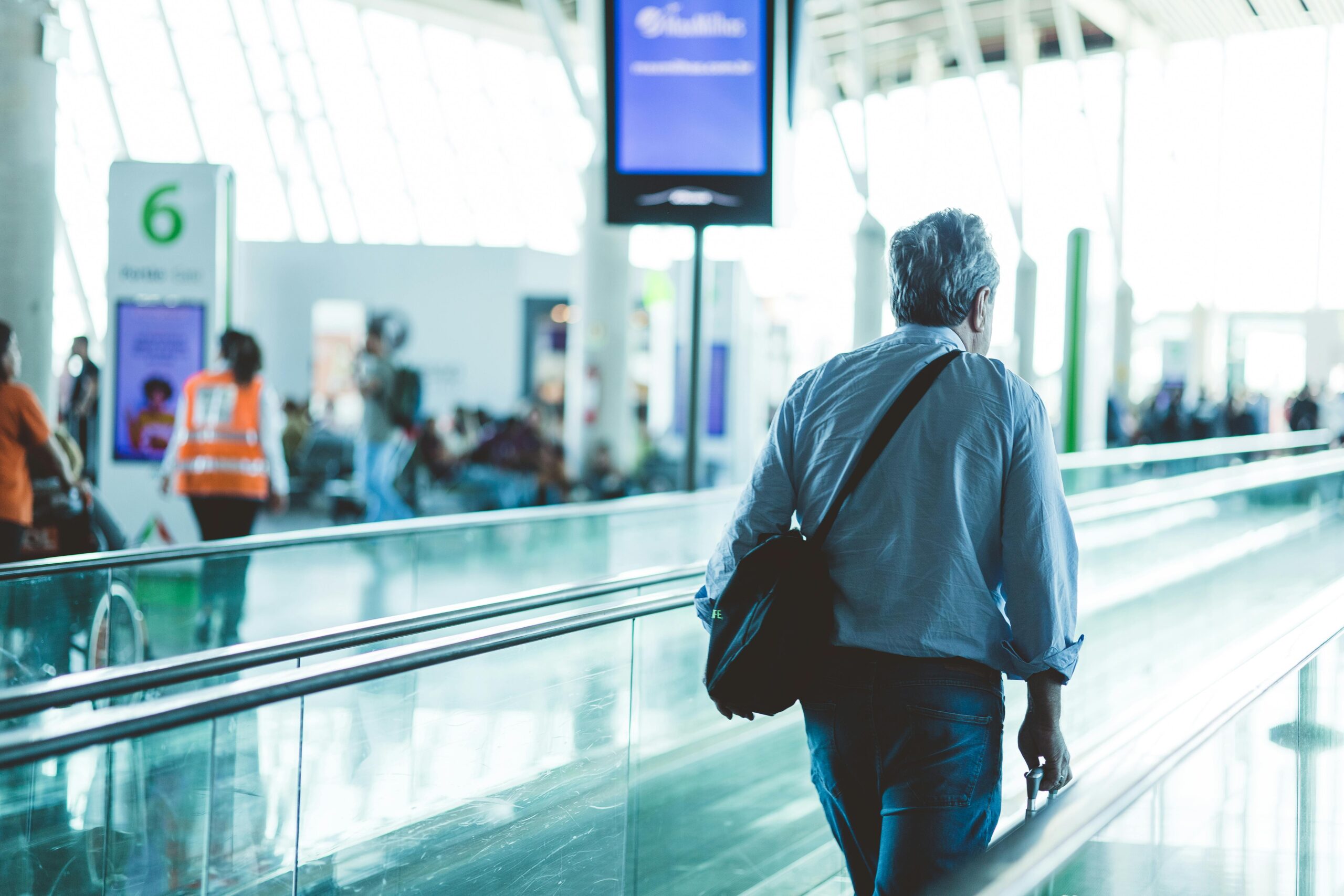
Attempts Are Being Made to Make Airports Feel Less Like Airports
If you’ve walked through a modern airport recently, you probably noticed the change. Softer lighting. Better food. More space. Less chaos.
That’s intentional.
Airports know that people arrive stressed. Late flights, security lines, tight connections – it all adds up. There’s a strong effort to transform terminals. They should feel more like locations where you can unwind and be yourself than like transportation hubs.
Quiet zones. Sleep pods. Art installations. Even greenery. It sounds small, but it changes the experience a lot.
And yes, some airports still feel like concrete nightmares. But many are genuinely trying.
Sustainability Is No Longer a “Nice Idea”
Sustainability in aviation was largely a talking point for many years. Now it’s under pressure.
Real pressure.
Governments, regulators, passengers – everyone is watching. The aviation industry is under the spotlight regarding its strategy, emissions, and plans. Sustainable Aviation Fuel comes up in the conversation. Yet, it is expensive and hard to find. Another area that is currently being tested is the electric airplane.
Airlines are so caught in the midst. They must both progress and endure.
It’s a difficult setting, and anyone who says it’s simple is lying.
Politics Is Messing with the Map
Aviation doesn’t exist in a vacuum. And in 2026, that’s very obvious.
Due to airspace and regional conflicts, carriers have to change their flight routes. They have to stay away from some zones or change their timings. Carriers will face longer flight distances. This means higher fuel use and more complexity.
Passengers might only notice a longer journey. Airlines feel it everywhere.
Crew planning. Fuel planning. Timetables. Connections.
One political decision can throw off an entire network.
Technology Is Doing the Quiet Work
Not all changes in aviation are dramatic. Some of it is boring. And that’s a good thing.
AI is being used to foresee future technology issues. Baggage systems are getting smarter. Boarding is getting faster. Air traffic control is becoming more precise. Maintenance is becoming more proactive.
You don’t see these things. You notice fewer problems.
Additionally, it frequently indicates that something is working while you don’t perceive it.
Passengers Are Less Patient Than Ever
Let’s be honest. Travelers in the modern period don’t put up with foolishness.
If a flight is delayed, they want to know why. If something changes, they want updates. If there’s a problem, they want it acknowledged. Silence makes people angrier than bad news.
This has forced airlines to change how they communicate. Vague announcements don’t work anymore. People want real information, not corporate language.
That emotional side of travel is huge now. How you are treated matters as much as where you’re going.
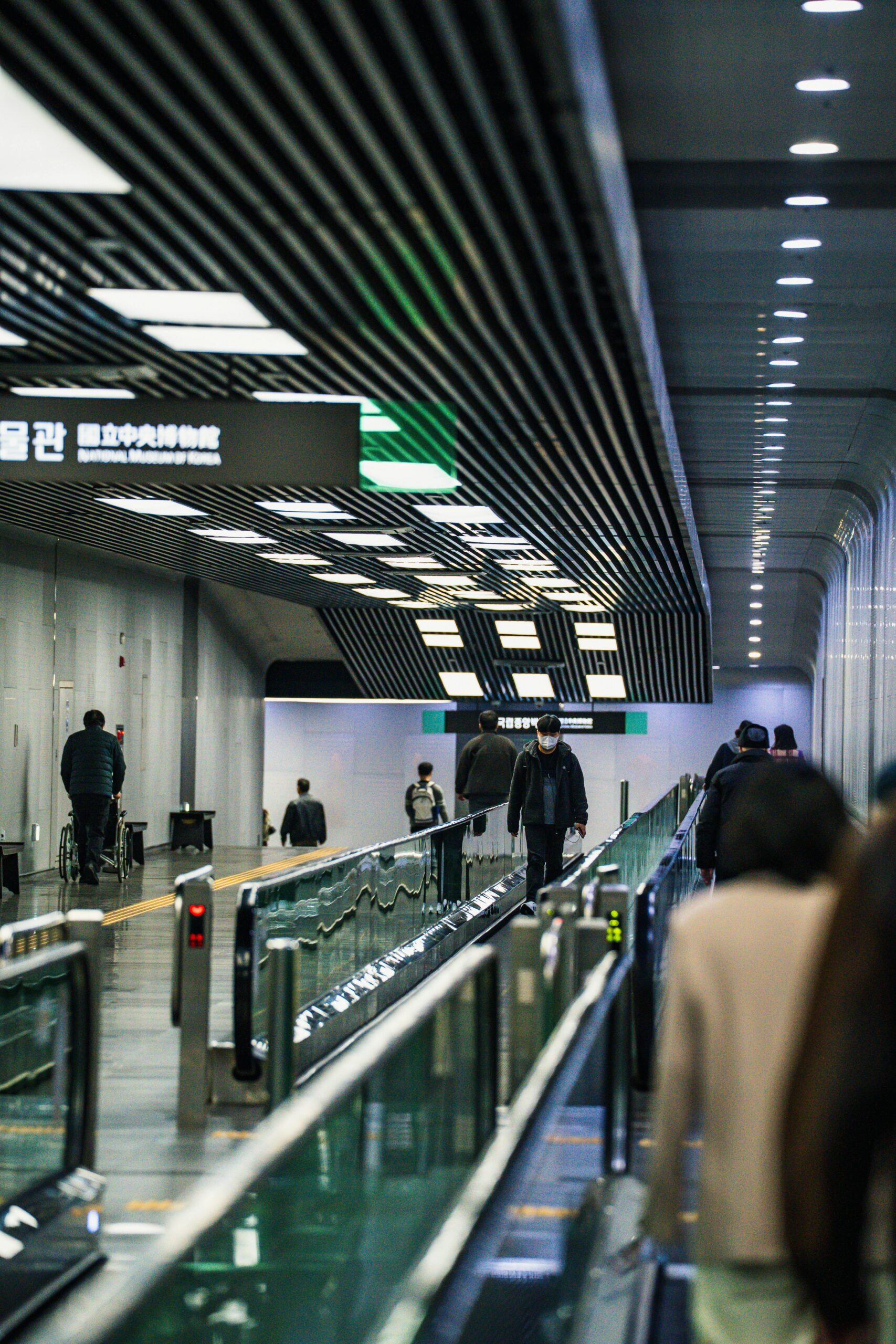
Nothing in Aviation Is Isolated
Many folks outside the industry don’t always see this: everything is linked.
A manufacturing delay affects deliveries. That affects airline schedules. That affects passengers. A fuel issue affects prices. A political decision affects routes. A weather event affects half a continent.
It’s like dominoes.
That’s why aviation news without context is useless. You need the “why”, not the “what”.
So… Where Is All This Going?
Forward. Probably. But not in a straight line.
Aviation in 2026 feels like constant adjustment. Not big dramatic moves. Just small decisions, quick reactions, and a lot of course-correction. Airlines are trying things. Airports are being redesigned. The industry is learning in real time.
Some ideas will fail. Some will work. That’s normal.
Aviation isn’t only about aircraft and schedules. It’s about people trying to get somewhere. To work. To family. To rest. To start over.
And that human part is what makes the whole industry so endlessly interesting to follow.




Thi is a great article no doubt about it, i just started following you and i enjoy reading this piece. Do you post often ? we have similar post on the german best freelancer platform you can check it out if you want. Trusted source by Google.Thank you