


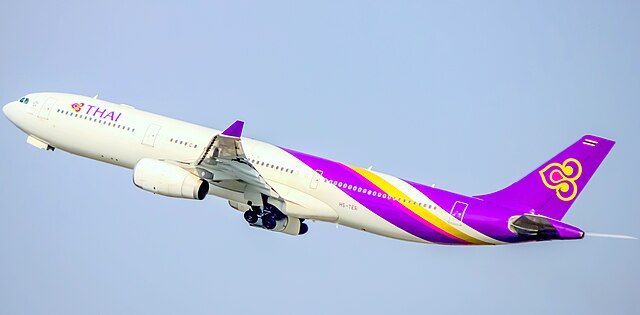
Thai Airways International has welcomed its first Airbus A321neo, named “Boworrangsee” (registered HS-TOA), a pivotal step in its fleet modernisation. As the first of 32 on order via lessor AerCap, the aircraft signifies the airline’s strategic shift to mainline narrowbody operations. It is scheduled to enter service on the Bangkok-Singapore route from January 22, 2026.
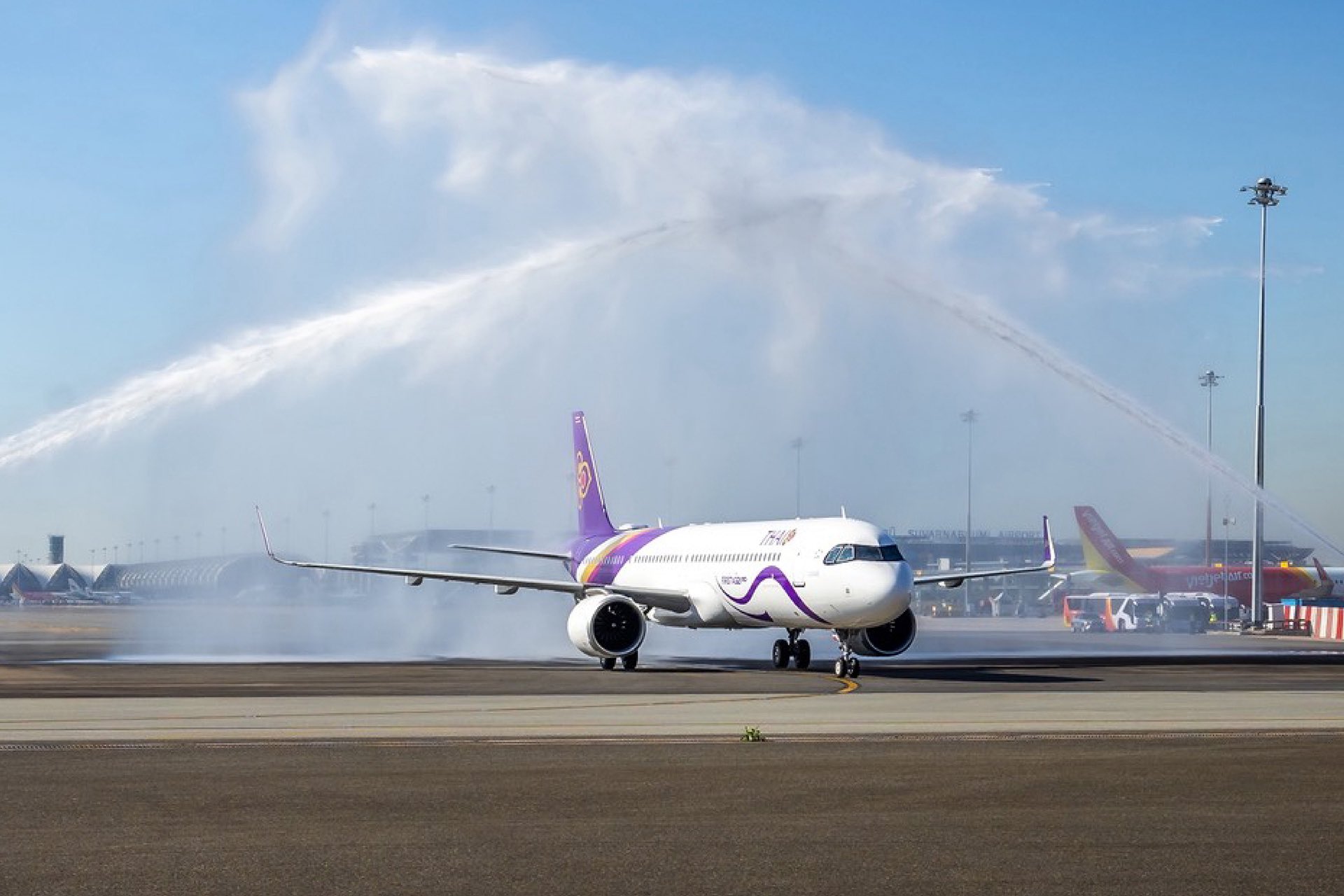
Eco-Performance Redefined
The new A321neo offers major efficiency gains. Its advanced CFM LEAP-1A engines cut fuel use by up to 20%, lowering CO₂ emissions per seat. This directly reduces operating costs on competitive regional routes.
The aircraft also supports sustainable travel. It is certified to use up to 50% Sustainable Aviation Fuel (SAF). This aligns with Thai Airways’ environmental goals, helping the airline meet stricter aviation regulations.
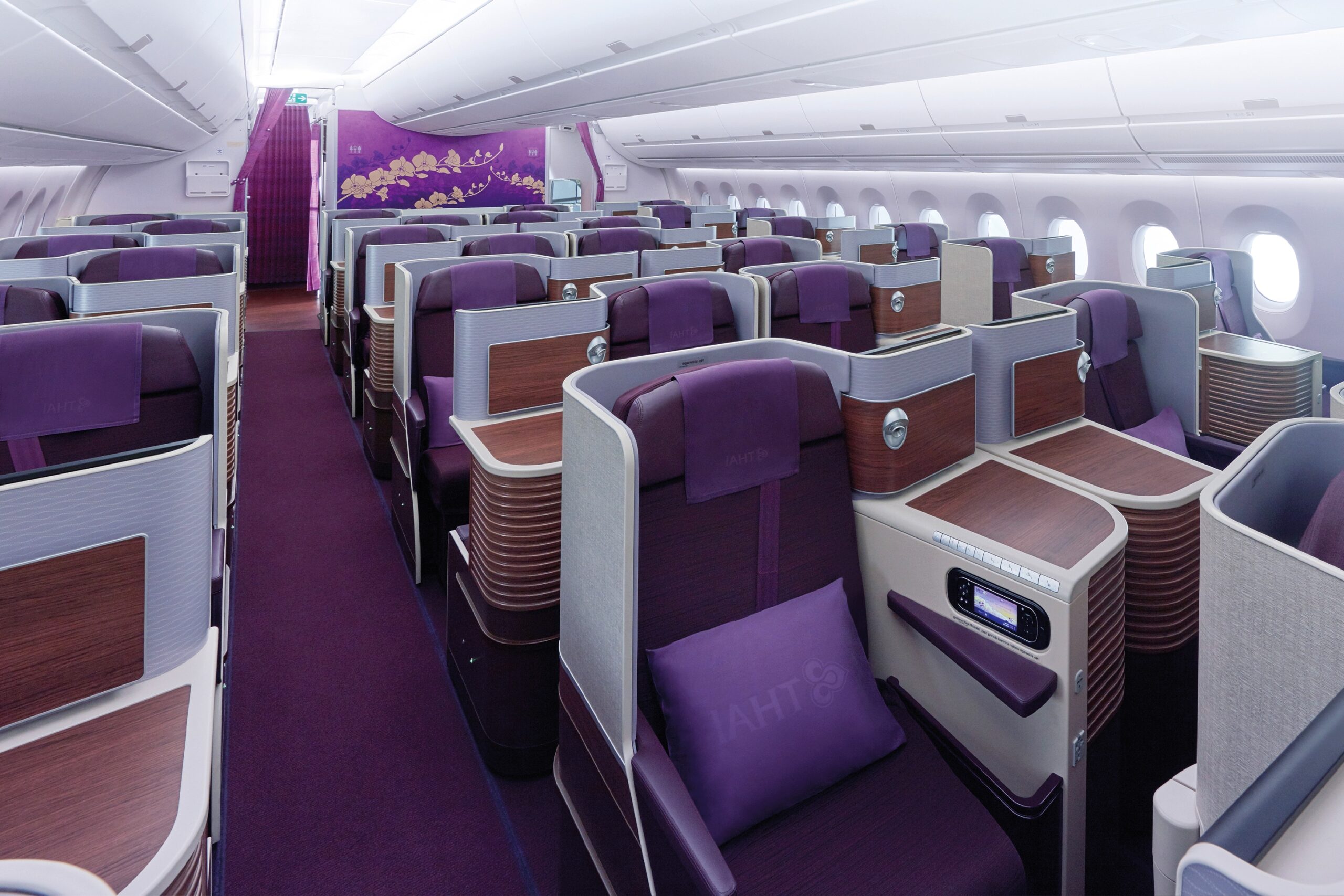
Inside the A321neo: Where Hospitality Meets Design
The new cabin is configured for 175 passengers. It features 16 flat-bed seats in Royal Silk Business Class. This offers a widebody-style experience on regional flights.
Economy Class includes 159 seats with comfort-focused design. They have adjustable headrests and a 110-degree recline, and each passenger gets a personal 4K touchscreen with Bluetooth.
The cabin also includes Airspace XL overhead bins for more storage. Dynamic mood lighting completes the space, blending modern design with Thai motifs.
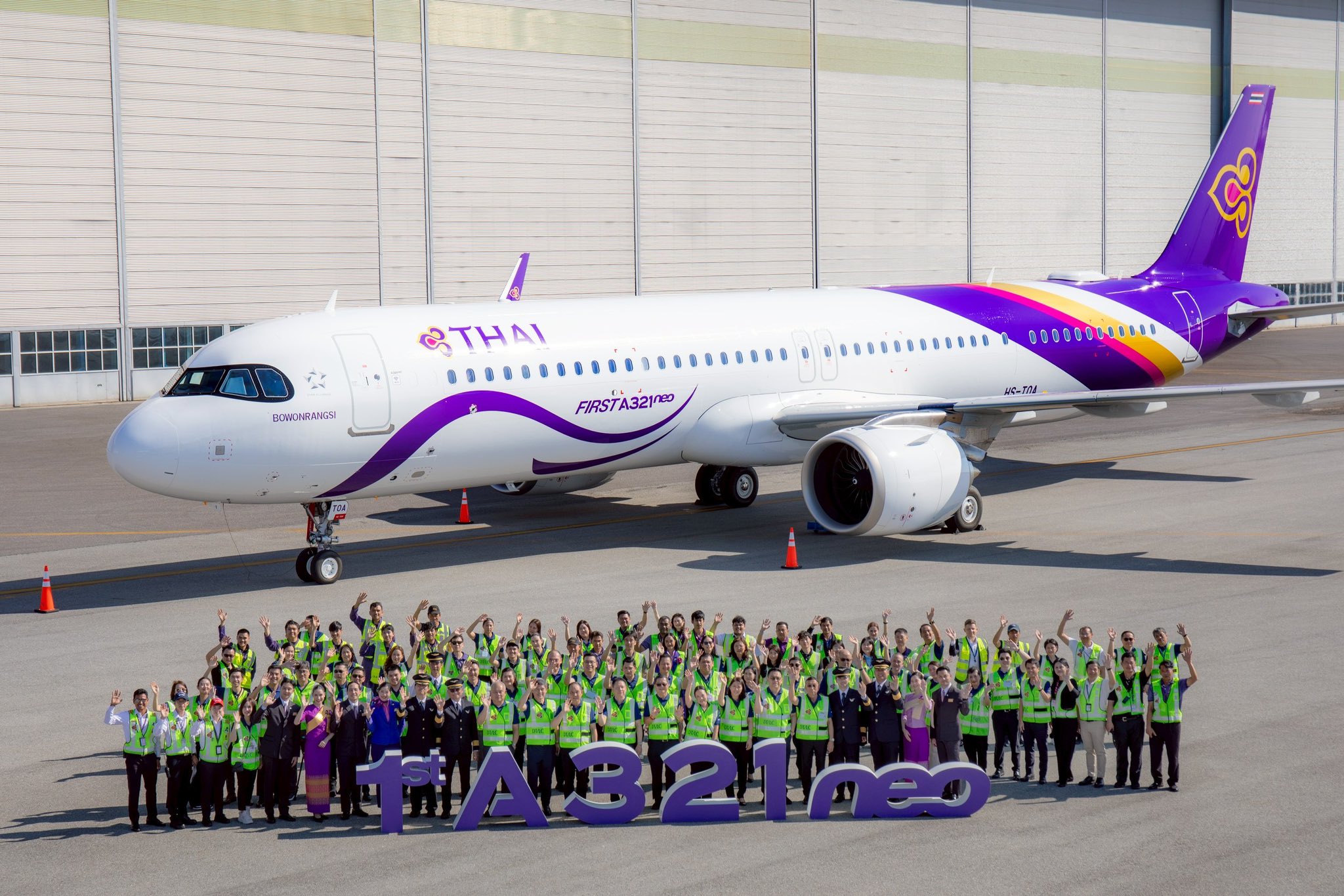
Locking onto Regional Growth
The A321neo’s efficiency gives Thai Airways new network flexibility. The airline can now better serve busy regional routes across Asia. This market is key for its recovery and growth.
This fleet renewal is a strategic statement. A modern, consistent fleet improves Thai Airways’ competitiveness, and aims to attract more business and leisure travellers with higher service quality.
Do you believe the Airbus A321neo is the right aircraft to restore Thai Airways’ strength in the competitive Asian market? Let us know your thoughts in the comments below.






I’m often to blogging and i really appreciate your content. The article has actually peaks my interest. I’m going to bookmark your web site and maintain checking for brand spanking new information.
very informative articles or reviews at this time.