By using this site, you agree to the Privacy Policy and Terms of Use.
Accept
Travel Radar - Aviation NewsTravel Radar - Aviation News
  • Breaking News
  • Aviation
    • Aircraft
    • Airlines
    • Airshow & Events
    • Careers
    • Manufacturing
  • Travel
    • Airports
    • Points & Loyalty
    • Technology
    • Trip Reviews
  • Newsletters
  • Aircraft for Sale
Reading: How Do Low-Cost Airlines Keep Costs Down?
Share
Sign In
Notification Show More
Font ResizerAa
Font ResizerAa
Travel Radar - Aviation NewsTravel Radar - Aviation News
  • Breaking News
  • Aviation
  • Travel
  • Newsletters
  • Aircraft for Sale
  • Breaking News
  • Aviation
    • Aircraft
    • Airlines
    • Airshow & Events
    • Careers
    • Manufacturing
  • Travel
    • Airports
    • Points & Loyalty
    • Technology
    • Trip Reviews
  • Newsletters
  • Aircraft for Sale
Signin Sign In
Follow US
Copyright © Travel Radar Media Ltd. 2025 | All Rights Reserved
Travel Radar - Aviation News > News > How Do Low-Cost Airlines Keep Costs Down?

How Do Low-Cost Airlines Keep Costs Down?

Amuthan Chandrarajan
Last updated: 21 January 2022 13:52
By Amuthan Chandrarajan
6 Min Read
Share
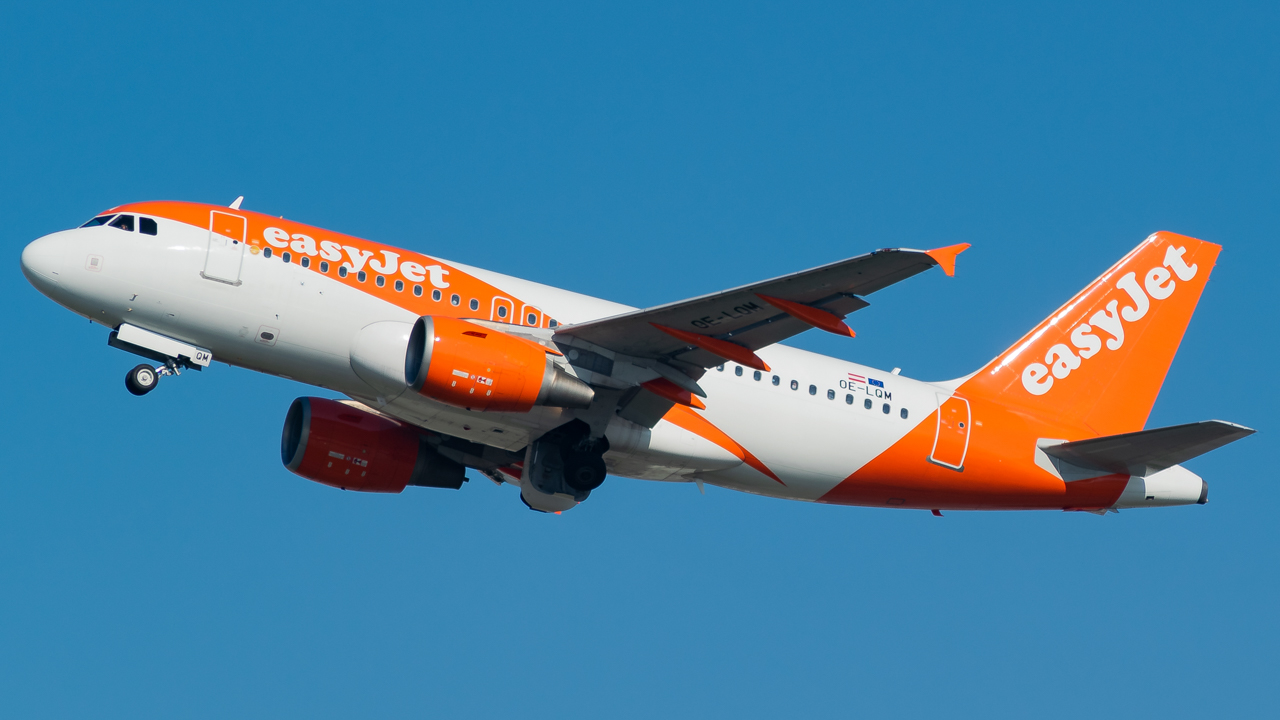
easyJet A319
easyJet Airbus A319. | © Marco Macca/Travel Radar
SHARE

Many airlines such as Breeze, newly revamped Jet Airways and Akussa Air have started or are starting during the pandemic. Many of these are low-cost airlines. Now more than ever cost is going to be on people’s minds as money becomes tight with jobs under strain and reduced further job opportunities as a result of Covid.

So how can airlines keep their costs down in the face of problems such as staff shortages and increased competition from other airlines needing the same resources? Some of these low cost airlines who are also starting now may be competing for the same beginner’s resources so to speak as low-cost airlines struggle to build long-term relationships and create reliable supply chains (regular and reliable suppliers).

Ancillary Services

Many airlines cut costs by charging for what are known as ancillary services. They may offer what many people would call a no-frills service. EasyJet for example charges for food and beverages onboard the plane. In addition, it charges people for putting baggage in the baggage hold or indeed if they want to choose where to sit.

However, the problem with this is that as prices rise over time, people may feel that they are getting a raw deal when they compare the prices they are paying now to what they were paying before with services included. This may therefore reduce passenger loyalty to the low-cost airline. Furthermore, according to the Harvard Business Review, behavioural economics suggest that when people have to pay for something that used to be free they interpret this as a personal loss.

This means that a la carte services where ancillary services are charged separately are not always popular. In addition, even when charging for ancillary services has become socially acceptable, this can sometimes be taken a step too far as was the case with Ryanair. Ryanair endured a public backlash when it had plans to charge for toilet use onboard their planes and was forced to abandon that charge.
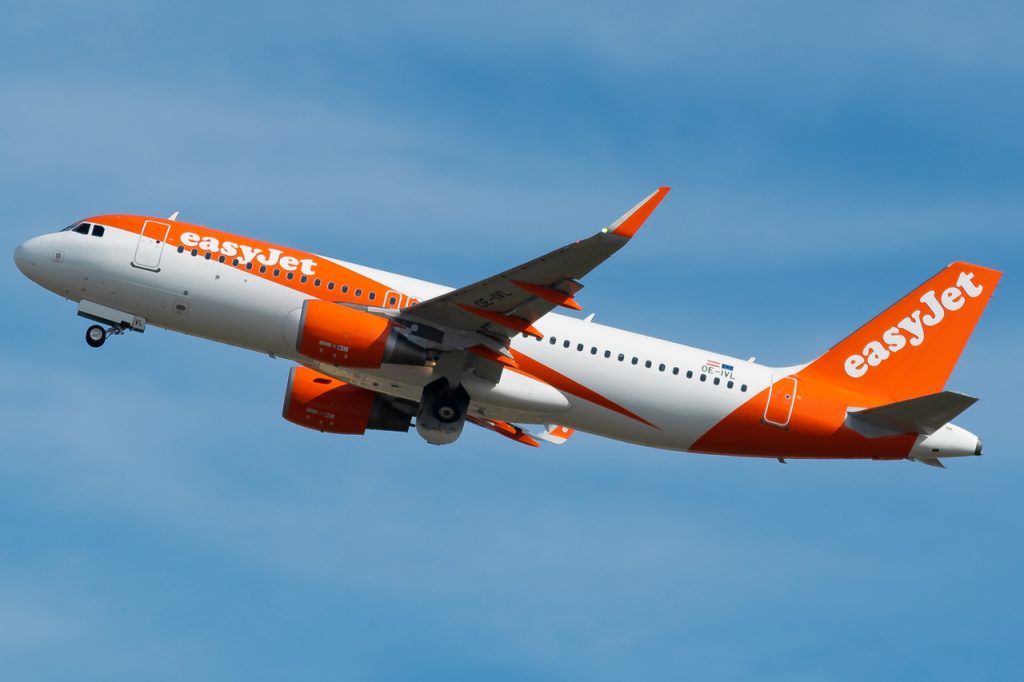
EZY A320 moments after taking off. @ Marco Macca / Travel Radar
EZY A320 moments after taking off.  EasyJet charges for ancillary services such as food and beverages ©: Marco Macca / Travel Radar

Hi-Tech Solutions

There are, however, other ways by which money can be saved and the savings passed onto customers. These methods can be employed by low-cost airlines but have also been adopted by others as well. Using hi-tech equipment for airplane maintenance work to reduce the need for workers is an example of this.

According to Forbes, Air New Zealand and EasyJet have trialled using drones for maintenance work. This not only speeds up work but also reduces risk to human engineers as they can use high-resolution images taken by drones for guidance. 3D printing is also being used to manufacture airline parts on demand rather than having to request from a supplier. Because printing on demand is available inventory, costs of storing parts that may be needed are also saved.
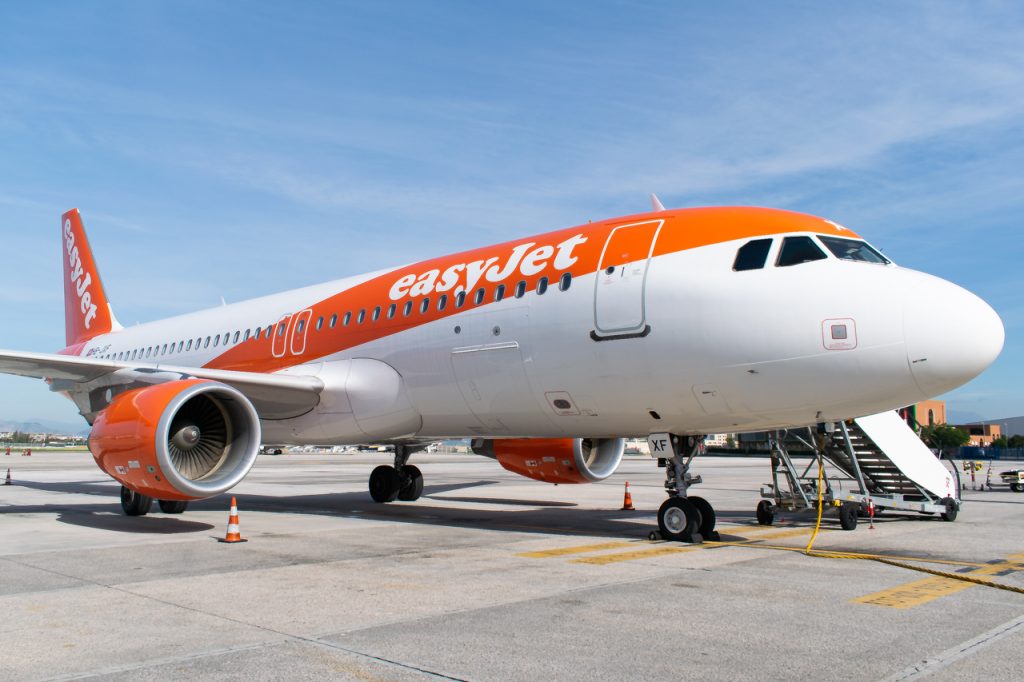
EZY A320 at stand. @ Marco Macca / Travel Radar
EZY A320 at a stand. EasyJet has trialled using drones for maintenance work ©: Marco Macca / Travel Radar

Optimizing aircraft design is another way that an airline can reduce maintenance costs by producing airlines that are fuel-efficient. This can also address environmental concerns as well. Being able to anticipate problems and formulate strategies to deal with them, a process known as feed forward thinking is also a method used in the airline industry to reduce cost. Flight recorders, otherwise known as black boxes have been used historically to assess data after a crash. However, according to Forbes, Alternative Health Monitoring Systems (AHMS) which analyze data and warn of issues are being developed to help reduce cost in dealing with potential issues by detecting problems before they occur. This will also save on maintenance costs.

Having a highly-skilled workforce is also helpful in reducing maintenance costs. According to Forbes, there is a shortfall in the supply of maintenance engineers in the US and therefore companies may have to keep spare planes to avoid cancellations and late departures.

As one can see there are a number of ways in which airlines can reduce costs and pass the savings onto their customers. These range from providing a no-frills service to improving maintenance efficiency and using hi-tech solutions to improve and speed up work. As Covid results in more staff shortages, using technology to reduce costs will be beneficial to more airlines.

 

You Might Also Like

Chinese Airlines Issue Mass Refunds on Japan Flights Without Request Due To Political Tension
Cape Air flight forced to return to airport after cabin door opens mid-flight
Portuguese Pilots Demand Final Decision Over Azores Airlines Privatisation
Air Europa extends contract with Lufthansa Technik for component support for its entire 737 fleet
Cathay Pacific’s First Fully Vaccinated Flight
Share This Article
Facebook Twitter Email Copy Link
What’s your thoughts?
Love0
Sad0
Happy0
Angry0
ByAmuthan Chandrarajan
Aviation Reporter — Amuthan brings a strong background in both residential and commercial real estate, complemented by a deep passion for aviation and travel that has taken him to numerous countries around the world. With a solid foundation in business and finance and a Master of Business Administration degree, he combines analytical insight with a global perspective in his reporting.
Previous Article British Airways Belfast City Airport Controversy Surrounding 5G Rollout
Next Article Emirates US Flights 5G Emirates to Resume all U.S. Operations
Leave a Comment

Leave a Reply Cancel reply

Your email address will not be published. Required fields are marked *


Stay Connected

FacebookLike
TwitterFollow
InstagramFollow
YoutubeSubscribe

Trending News

An Antonov An-124-100 heavy cargo aircraft sits on the runway preparing for takeoff at Manchester Airport, with its large fuselage
Antonov An-124 Helps Airbus and Boeing Expedite Deliveries
Aircraft Manufacturing
Aer Lingus Airline new mobile app interface.
Aer Lingus to cut up to 500 jobs and Dublin routes
Airline Economics Aviation Travel
A Ryanair plane is pictured in flight. The aircrfat has the customary company branding across the side of the fuselage and tail in navy blue and yellow-gold. The jet's underbelly is also navy blue. The nose is facing left and the tail is on the right. In the background of the image is a clear blue sky.
Ryanair Maintains Low Fares As Profit Stagnates
Airlines Aviation Careers Did You Know Travel
An red, white, and blue American Airlines jet flying in front of a cloudy sky.
American Airlines CEO Sets Out Priorities
Airline Economics Airlines Aviation
Silver Cloud Air building in the background with three aircraft in view; one in the centre and one either side of it. Blue sky in the background.
Germany’s Silver Cloud Air Retires its Last Cessna Citation Jet3
Aircraft Airlines Aviation

Travel Radar is the leading digital hub for all things aviation and air-travel. Discover our latest aviation news, aviation data, insight and analysis.


Discover

  • Latest News
  • Subscribe
  • Weekly Digest
  • Contact Us
  • Privacy Policy
  • About Us
  • Advertising
  • Media Coverage
  • Press & Events
  • Join Our Team
  • Our Brands

Signup to our Newsletter!

And get the latest aviation news via our weekly news digest!

© Travel Radar Media Ltd. 2015-2026 | ISSN #2635-0696 | Trademark #UK00003579704
adbanner
Welcome to the TR Community!

Sign in to your account

Not a member? Sign Up