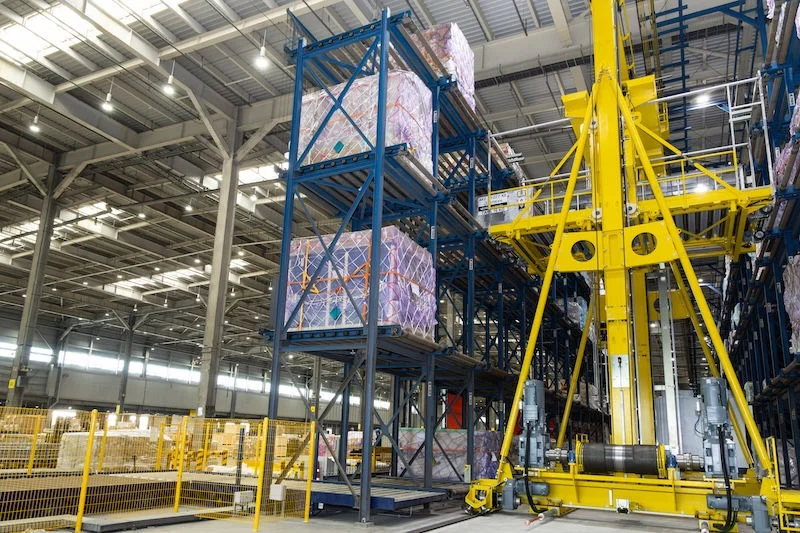
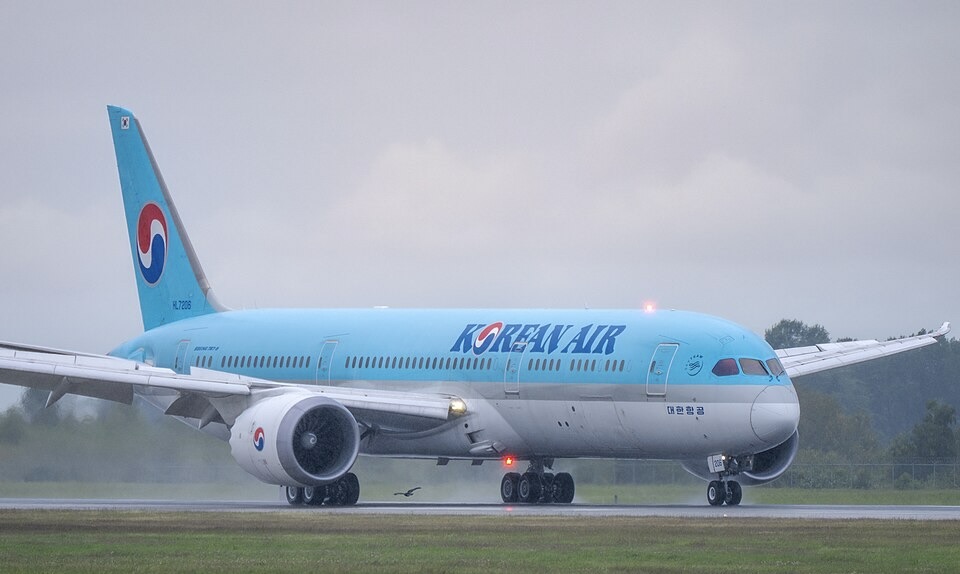
Korean Air has completed the modernisation of its cargo terminal at Incheon International Airport (ICN), turning it into what the airline has called a ‘Smart Terminal’ with automated logistics. The upgrade is expected to increase the terminal’s overall handling capacity to increase by more than 25%.
Automation Lifts Hourly Container Handling
The smart terminal project ran from June 2025 to September 2026, with Korean Air maintaining uninterrupted cargo operations throughout. Upgrades include the introduction of automated guided vehicles (AGVs) and new elevating transfer vehicles (ETVs), which move freight around the terminal with reduced physical handling.
The carrier has also expanded the bypass system from a single line to two automated transfer lines connected to the new ETVs. The terminal can now process 30 unit load devices (ULDs) per hour, up from 18. ULDs are the standard containers and pallets used to carry air cargo across the industry.
Korean Air is further expanding facilities for special cargo, a category that typically delivers higher yields.

Better Working Conditions and New York Next
Korean Air said the project was designed to improve working conditions. Automating heavy equipment reduces the frequency that staff are required to handle cargo manually, while wider infrastructure upgrades have improved the overall working environment.
A representative for the airline described the renovation as an essential response to rapid changes in global logistics, noting that by upgrading to modern equipment and adopting smart technologies strengthens the carrier’s position in the global air-cargo market.
With work at Incheon Airport (ICN) complete, Korean Air is now modernising its cargo terminal at John F. Kennedy International Airport (JFK) in New York, with completion scheduled for 2027.
What do you think of Korean Air’s Smart Terminal upgrade? Share your thoughts in the comments below.