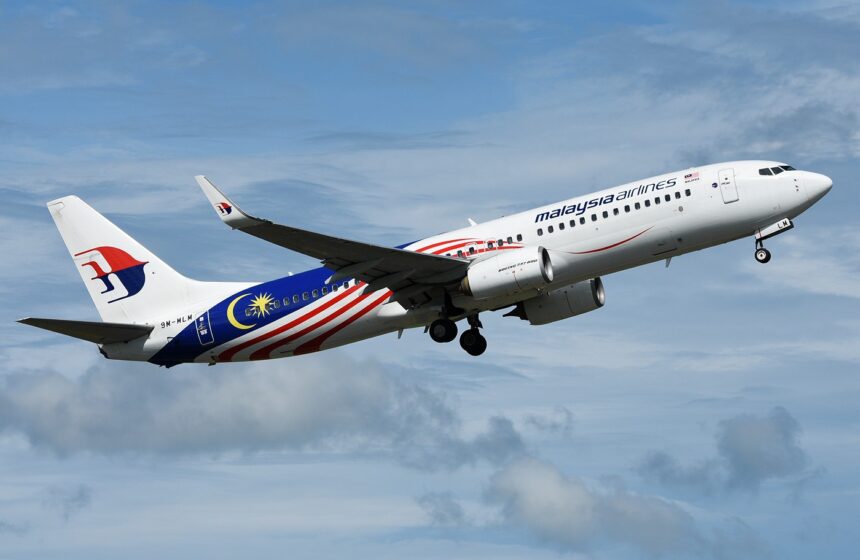
The head of Malaysia Airlines‘ parent company said on Monday he doesn’t rule out a green tax on passengers to help offset the high costs of sustainable aviation fuel.
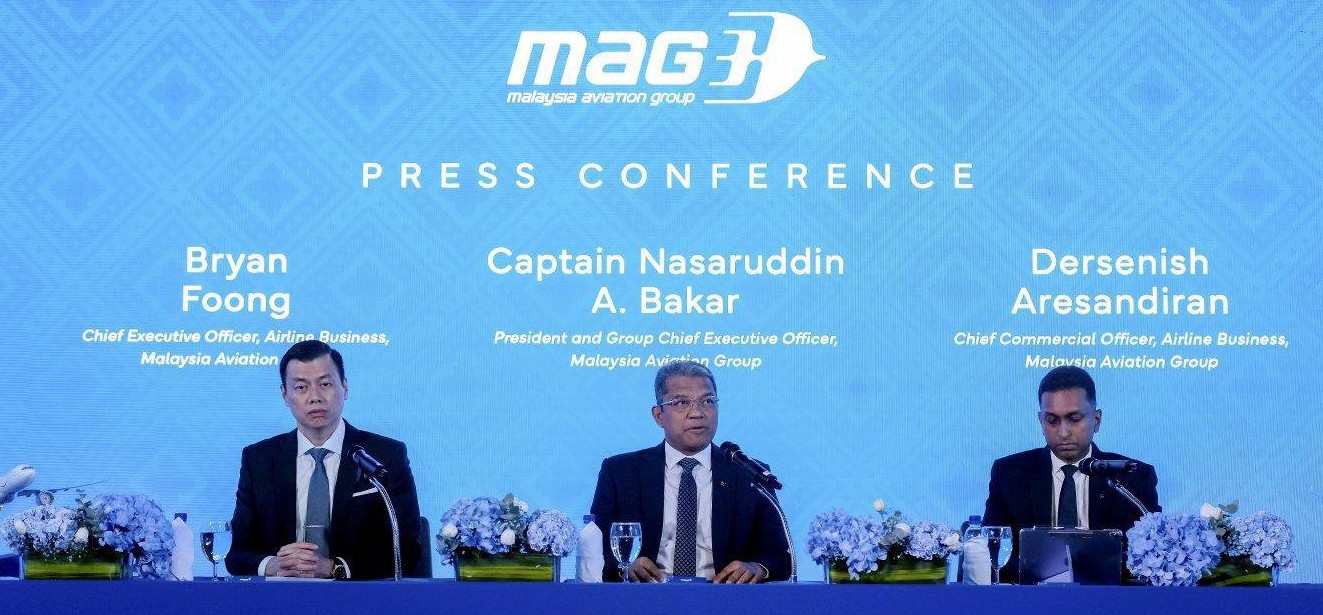
Capt. Nasaruddin A. Bakar, head of Malaysia Aviation Group (MAG), spoke to the media at Aviation Sustainability Day, an aviation sustainability conference in Sepang, Malaysia, hosted jointly by MAG and Malaysia Airports Holding Bhd (MAHB).
“We are looking at all options,” Nasaruddin told members of the media on the side lines of the conference on Oct. 19. “Consumers must be able to afford it. The airline must be able to buy it.”
Why is Malaysia Airlines considering a green tax?
Sustainable Aviation Fuel (SAF) is a low-carbon alternative to conventional jet fuel. The term covers fuels made from oils, fats, wastes, residues, or low carbon power sources, with a minimum greenhouse gas emission reduction of 40%.
Its role in sustainability initiatives worldwide is clear, but it remains scarce, constrained by production capacity and access to sustainable feedstocks.
The U.N.-backed International Civil Aviation Organization says that SAF could cut about 65% of the aviation industry’s emissions. The group has set a goal of zero net carbon emissions for 2050, which matches Malaysia’s own national goal.
But SAF is projected by the International Air Transport Association (IATA) to cost approximately 2.5 times as much as conventional jet fuel in 2026. Governments and airlines worldwide are strategizing on how to offset the costs related to sustainable fuels.
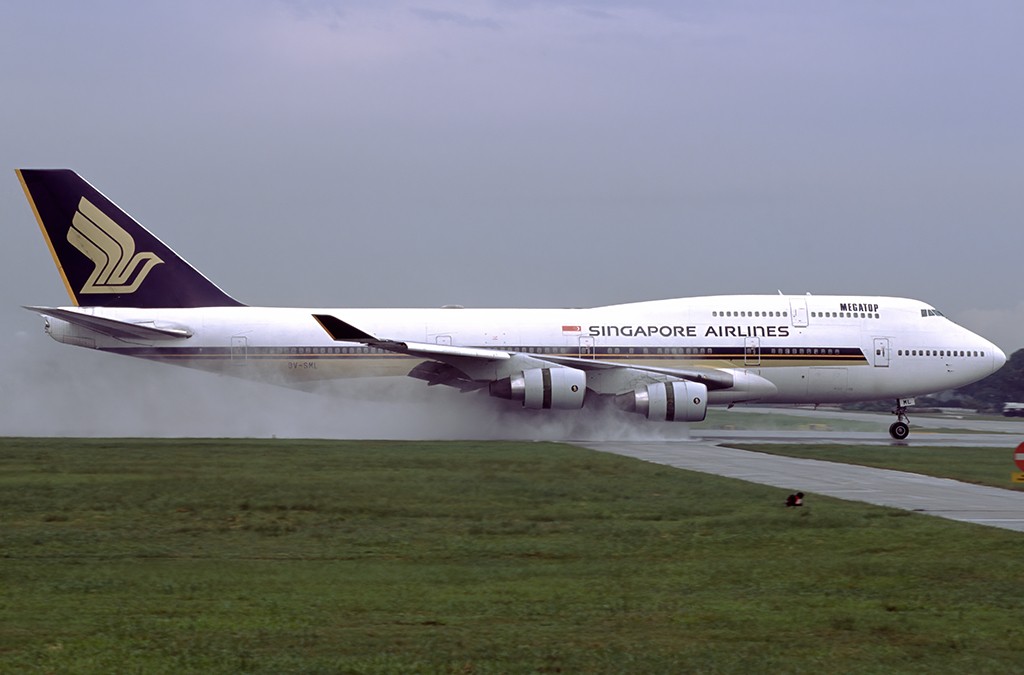
Singapore to introduce green aviation levy in 2027
The Civil Aviation Authority of Singapore (CAAS) has announced the first ever government-mandated green aviation fuel levy. From Oct. 1, 2026, passengers will pay a SAF levy for any flights departing Singapore after Jan. 1 2027. For passengers, it ranges from S$1 to S$10.40 for economy class, and S$4 to S$41.60 for business and first class.
CAAS has delayed the introduction of a similar levy for air cargo by one year, following industry feedback. The levy for air cargo will come into effect on Oct. 1 2027 for flights departing Singapore after Jan. 1 2028. For cargo, the levy ranges from S$0.01 to S$0.15 per kilogramme.
Money collected through the levy will be routed into a fund to purchase SAF and its “environmental attributes”, as well as any administrative expenses.
How else is Malaysia Airlines reducing emissions?
Nasaruddin warned that passing full costs to consumers could make air travel less attractive without industry collaboration. He said his group would focus on fleet renewal and the use of SAF as part of its commitment to cut emissions.
Malaysia Airlines has already begun modernising its fleet, with an order of 40 new fuel-efficient Airbus A330neos and 55 Boeing 737 MAX jets. The new-generation planes will deliver fuel savings of 12-14%, according to Nasaruddin.
The decision on a green tax will be up to the Malaysian government, but Nasaruddin stressed that regulators, fuel suppliers and airlines must work together to lower SAF costs.
What are your thoughts? Should passengers shoulder the cost of clean energy?