The US Department of Transportation (D.O.T.) under the President Trump is set to reverse several airline consumer protections introduced during Joe Biden’s presidency.
The changes affect rules mandating compensation for disrupted flights, protections for disabled passengers, and safeguards to protect flyers from ‘junk’ fees.
Delay to new rules exempting airlines
The D.O.T. has delayed a new rule that was due to take effect Oct. 19 2026. The department agreed to postpone implementation after a request from Airlines for America, a trade association representing the largest U.S. carriers.
The postponement is intended to give airlines, regulators and industry stakeholders more time to update reporting systems and procedures associated with the new categories. It will also help create a cleaner transition at the beginning of a new calendar year., says the D.O.T.
Under the revised timeline, airlines will begin reporting delays and cancellations using the new categories for flights occurring on or after Jan. 1, 2027, with the rule formally taking effect Feb. 1, 2027.
New rules change how airlines handle flight disruptions
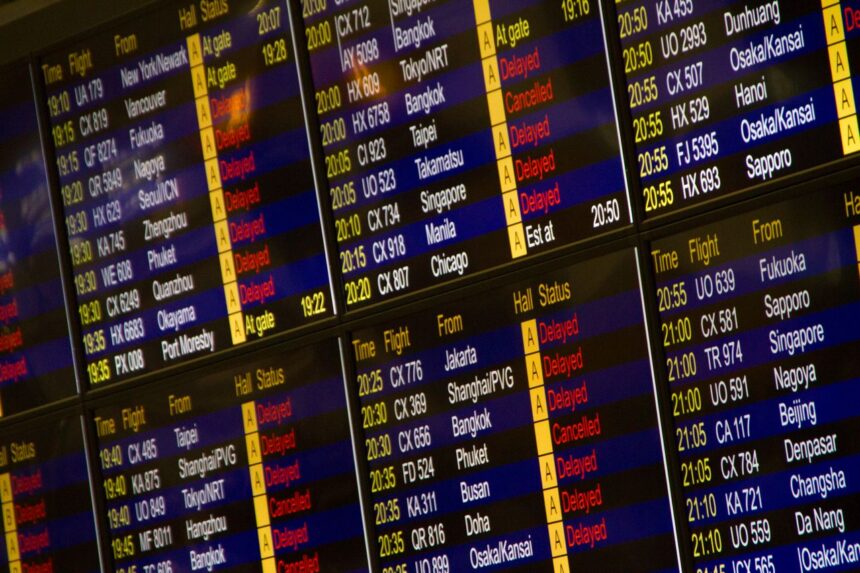
Changes to federal aviation regulations will narrow the circumstances considered within an airline’s control when it comes to reimbursing passengers for disrupted flights.
The new rule will exempt airlines from 10 types of flight disruptions deemed “not within their control”, making it more difficult for passengers to receive compensation for disruptions. These exemptions include:
- An aircraft that must be cleaned following the death of a passenger.
- An aircraft is damaged by extreme weather, foreign object debris or sabotage.
- A baggage or cargo loading delay is caused by an outage of a bag system that isn’t controlled by an airline or one of its contractors.
- A cyberattack causes the disruption and the airlines are in compliance with federal cybersecurity regulations.
- A shutdown or system failure of government systems occurs that directly affects the ability of an airline to safely conduct flights and that is not expected.
- A plane’s brakes are overheated due to a safety incident in which emergency procedures were used.
- Unscheduled maintenance that must be addressed before the next flight is necessary.
- An emergency requiring medical attention that the airline has no control over occurs.
- An unruly passenger must be removed from a flight.
- An airport closes due to volcanic ash, wind or wind shear.
Previous rollbacks to airline consumer protections
Already this year, in June, the Department of Transportation (D.O.T.) dropped a Biden-era proposal requiring airlines to disclose all fees, such as checked bags, alongside the full fare during the booking process.
The rule would have guaranteed cash compensation, meals, accommodation and transport to travellers delayed by three hours or more.
And in July, the department proposed a backtrack on another Biden-era requirement for airlines to display a ticket’s final price in a larger font than tax, fees and other parts of the price.
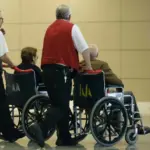
Also affected are passengers who use wheelchairs; after Trump’s inauguration, the D.O.T. delayed the enforcement of a rule that would expand support for disabled passengers, including replacing wheelchairs that were lost or damaged by an airline.
In Feb. 2025, Airlines for America filed a lawsuit that “seeks to ensure that D.O.T. acts within the scope of its authority to regulate only acts within airlines’ control and responsibility”, according to a legal brief filed by the group. The group argued that the protections introduced under the Biden administration constituted government overreach.
Airline consumer protection rollbacks draw criticism
Pete Buttigieg, transportation secretary during Biden’s presidency, wrote on X in September 2025, claiming that it was just “the latest example of [the Trump administration] siding with corporations and against customers”.
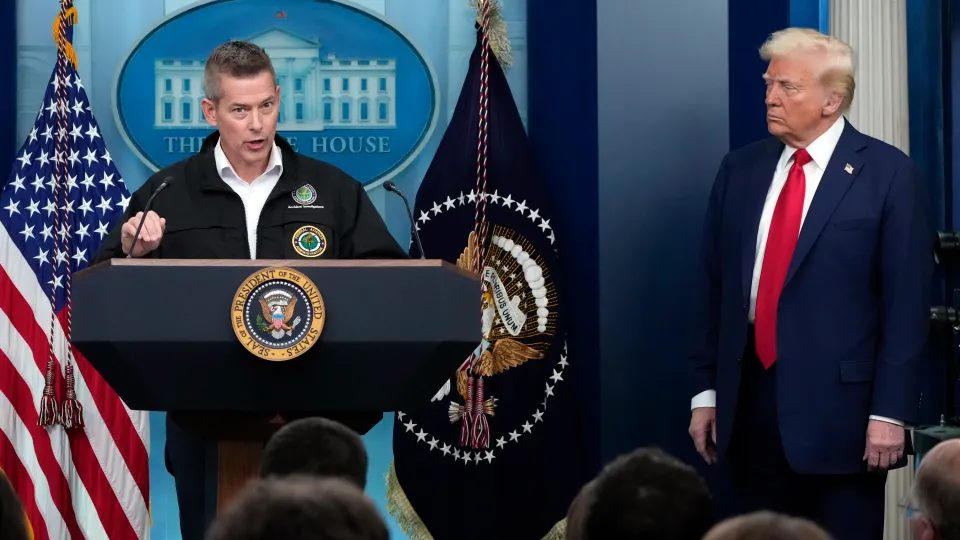
Current Transportation Secretary Sean Duffy, was sworn in as transportation secretary in January 2025. Since then, the department has not yet issued a single fine to an airline, reports the NY Times.
A D.O.T. spokesperson said in 2025 that its “deregulatory actions” were part of a “broader effort to ensure the traveling public is treated fairly,” adding that the department believed such rules could raise ticket prices and “compromise safety for the sake of efficiency.”
What do you think? Do these changes leave travellers with enough protections?