

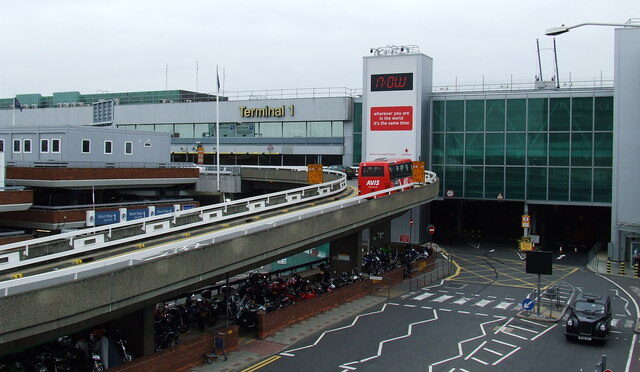
New proposals advanced by the aviation watchdog could disrupt the decades-old monopoly over operations and infrastructure held by Heathrow Airport Limited (HAL). The proposals intend to impose greater regulation on the company and would alter how the airport’s construction and governance operate. One key change would allow rival companies to bid on the building of new airport infrastructure at London Heathrow Airport (LHR).
Watchdog Proposals
The Civil Aviation Authority (CAA) is considering a range of regulatory adaptations in light of a working paper published in November 2025 that explored whether an alternative model for LHR‘s capacity expansion could better serve the airport’s consumers. The consultation has emerged after HAL, the company behind Britain’s largest airport, presented its proposed expansion, which included plans to build a new terminal and runway. The proposals have been suggested by the aviation watchdog – which is responsible for regulating aviation safety, airspace use, and financial protection schemes – in order to keep a cap on construction and operational costs.
Four key adjustments to the regulatory model for LHR have been suggested for consideration. The first of these proposals includes enhancements to the existing regulatory framework, which would introduce greater measures to strengthen the current regulatory approach, such as improvements to capital expenditure governance, incentives, and scrutiny of Heathrow Airport Limited’s procurement processes.
Secondly, a price control model has been suggested that would offer a longer-term regulatory framework, providing greater flexibility to support more cost-effective, longer-term financing at the airport.
Another proposal would introduce an “alternative developer model”, meaning rival companies will be allowed to bid for and then run infrastructure and upgrade projects at LHR. The alternative developer within this scenario could directly provide services to airlines and recover its revenues from them, setting itself in direct competition with HAL. This would be combined with the final proposal and competitive delivery models, which could create new obligations on HAL to introduce competitive tendering for elements of the capacity expansion programme while retaining overall responsibilities for the coordination and financing of expansion. This could allow an alternative developer to compete to design, finance, build and operate a new terminal.
Concern Over Costs
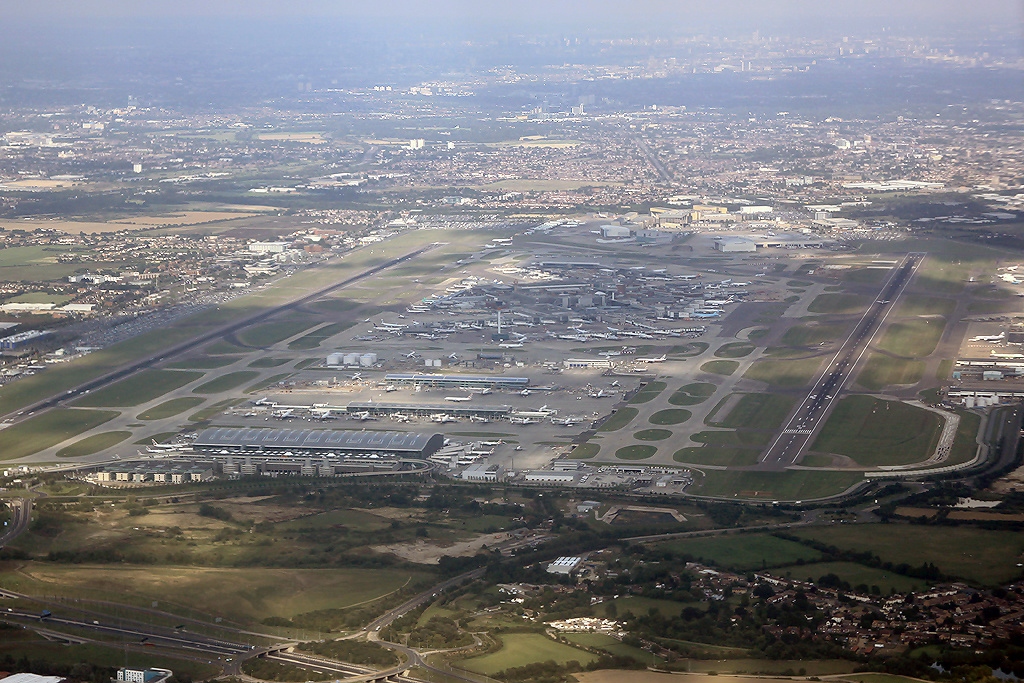
The new proposals arise from concerns that the planned expansion of LHR, which would cost approximately £33 billion, would hike prices for both collaborating businesses and customers travelling through the airport. Before this, a range of corporate entities, including firms and airlines, repeatedly called for a review of the airport’s guidelines, claiming that the current model already financially punishes businesses and consumers and makes LHR the most expensive airport globally.
In particular, Virgin Atlantic and the parent company of British Airways, International Airlines Group (IAG), have immersed themselves in an extensive lobbying campaign against the airport, called Heathrow Imagined. The campaign is based on the accusation that LHR’s operator over-enhances upgrades and infrastructure, knowing it can pass the costs on to airlines.
A spokesman for Heathrow emphasised that while the airport’s success was built upon private investments and secure partnerships with airlines and corporations, they do not welcome adjustments that will impact the financial expansion, commenting:
“We support reform that boosts efficiency, cuts red tape and keeps investment flowing, but not proposals which will undermine our efforts to improve the airport for consumers or delay the economic growth the country needs. We look forward to working with the government and the regulator to turn these proposals into positive outcomes.”
The consultation, where the proposals will be considered at length, is due to run until June 15, 2026, with the UK CAA intending to issue a high-level update on the outcome of this consultation in July 2026.
What do you think about the proposed changes? Let us know in the comments.