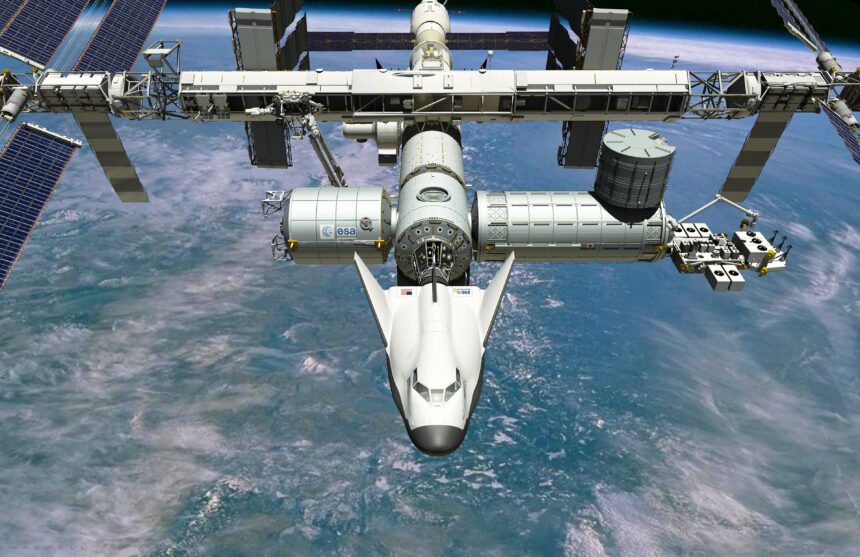
Aircraft and space engineers face many of the same problems: heating, weight, fatigue, and fuel use. Innovation in space engineering and advanced materials research has supported technology transfer from satellites and spacecraft into aircraft manufacturing, contributing to the development of lighter, safer aircraft with lower fuel consumption.
Why Space Engineering Demands Better Materials
Space vehicles must withstand severe heat and cold, vibration and heavy mechanical loads without carrying unnecessary weight. Re-entry and hypersonic flight make the conditions harsher than those experienced on Earth. Leading edges and nose cones, for instance, can encounter temperatures above 2,000°C, along with oxidation and heat shock stresses.
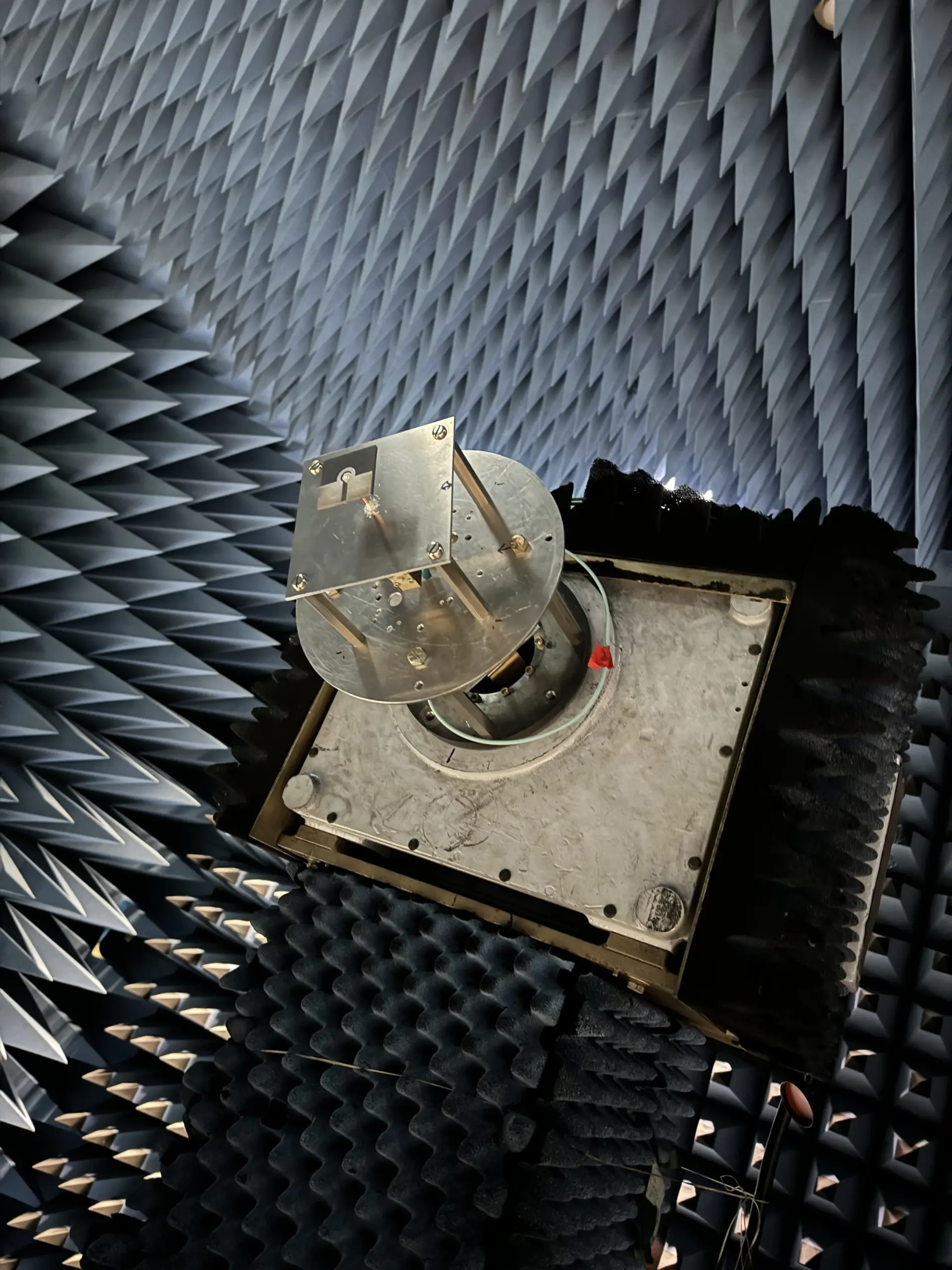
That pressure has made advanced materials a major focus of space engineering, with research into composites, alloys, ceramics and advanced insulation. Space agencies have also invested in their research process, building vacuum chambers, cryogenic chambers, wind tunnels and propulsion cells where teams could test prototypes before flight. Aviation has since adopted the materials they discovered and the testing methods they used.
Materials that Crossed From Space to Aviation
Carbon-fibre composites now make up major aircraft structures because they are light and resistant to fatigue. Titanium alloys are used in high-stress parts, while nickel-based superalloys go into turbine and combustion areas experiencing thermal loads. Ceramic matrix composites can operate in hot engine segments above 1,400°C.
Research by the United States’ National Aeronautics and Space Administration (NASA) also helped develop nitinol, a nickel-titanium shape-memory alloy. Applying heat returns it to its original shape, so a temperature change can induce movement. Aerogels took a similar technology transfer route: NASA-backed work produced flexible insulation for cryogenic hydrogen and oxygen systems, which companies later adapted for wider aerospace use.
Composite Airframes Move Into the Mainstream
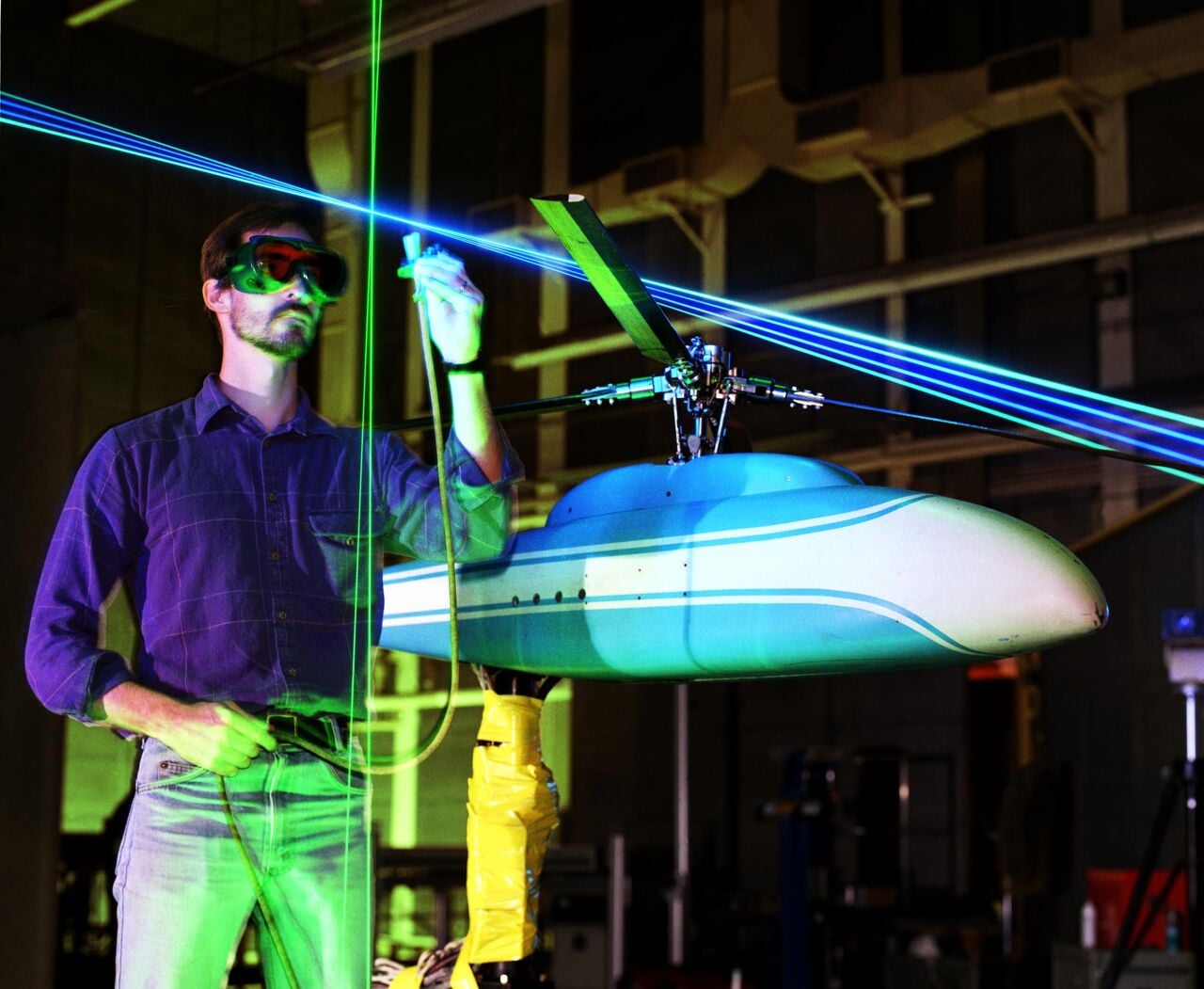
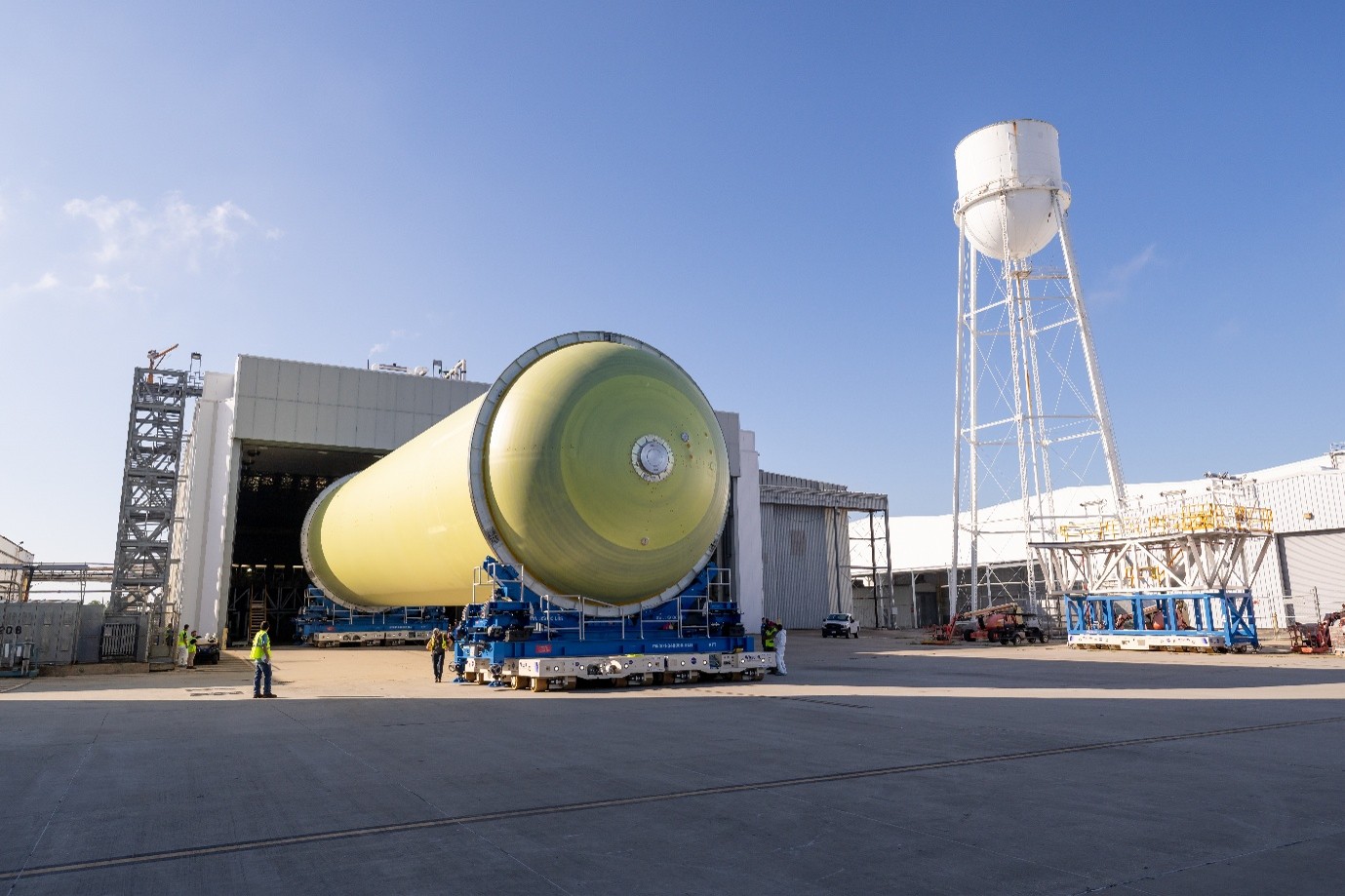
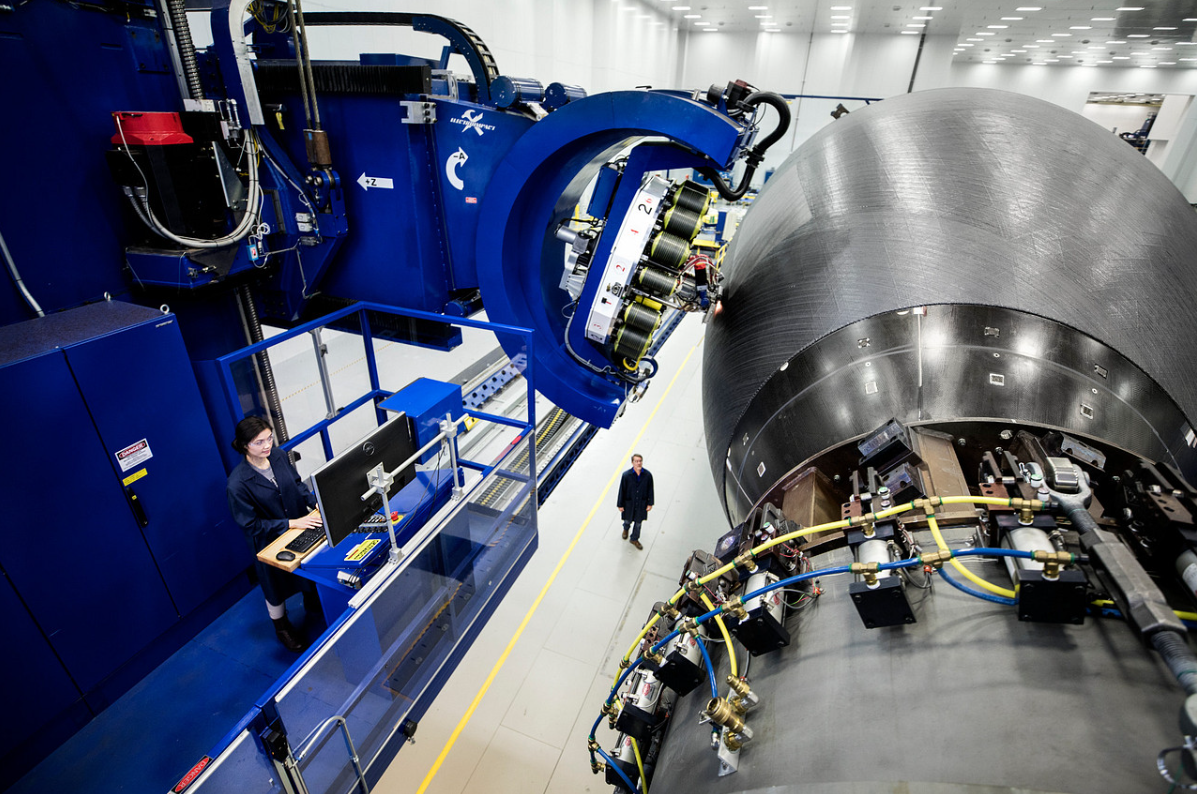
Decades of advanced materials research at NASA’s Langley Research Center covered resin development, novel construction methods, damage tolerance and inspection, and the facility also worked with industry and regulators on certification of high-performance components. This technology transfer helped transform the use of composites from minor components into large-scale structures like aircraft wings and fuselages, practical for aircraft manufacturing.
The Boeing 787 is an example of how far that shift has gone. Composites account for about 50% of the aircraft by weight and about 80% by volume. Boeing says their use makes the aircraft 18,000 kg lighter than a comparable aircraft built conventionally. The company also says the 787 uses about 20% less fuel, so produces 20% fewer emissions.
Composite structures are now also used in Airbus aircraft, including military transports, fighter jets, rotorcraft and unmanned aircraft. Engine makers use them too: Rolls-Royce, for example, claims its carbon-titanium fan technology could reduce aircraft weight by up to 680 kg.
Manufacturing Methods Born From Extreme Needs
Space engineering changed aircraft manufacturing as well as materials. NASA used computer modelling to create GRX-810, a custom alloy for 3D printing. It can support engine parts at temperatures from 1,000°C to 1,300°C. Commercial aviation is testing the alloy in the manufacture of flow sensors, which may reduce fuel use.
Digital tools were also adopted in aircraft development. NASA software is used to study airframe structures, fluid flow, noise propagation and engine performance. The NASA Structural Analysis (NASTRAN) software has provided engineers with finite element analysis capability since the late 1960s, while newer tools can simulate hybrid-electric designs and complex airflow. NASA research also improved automated production and non-destructive testing for composite structures.
Space Engineering in Today’s Aircraft
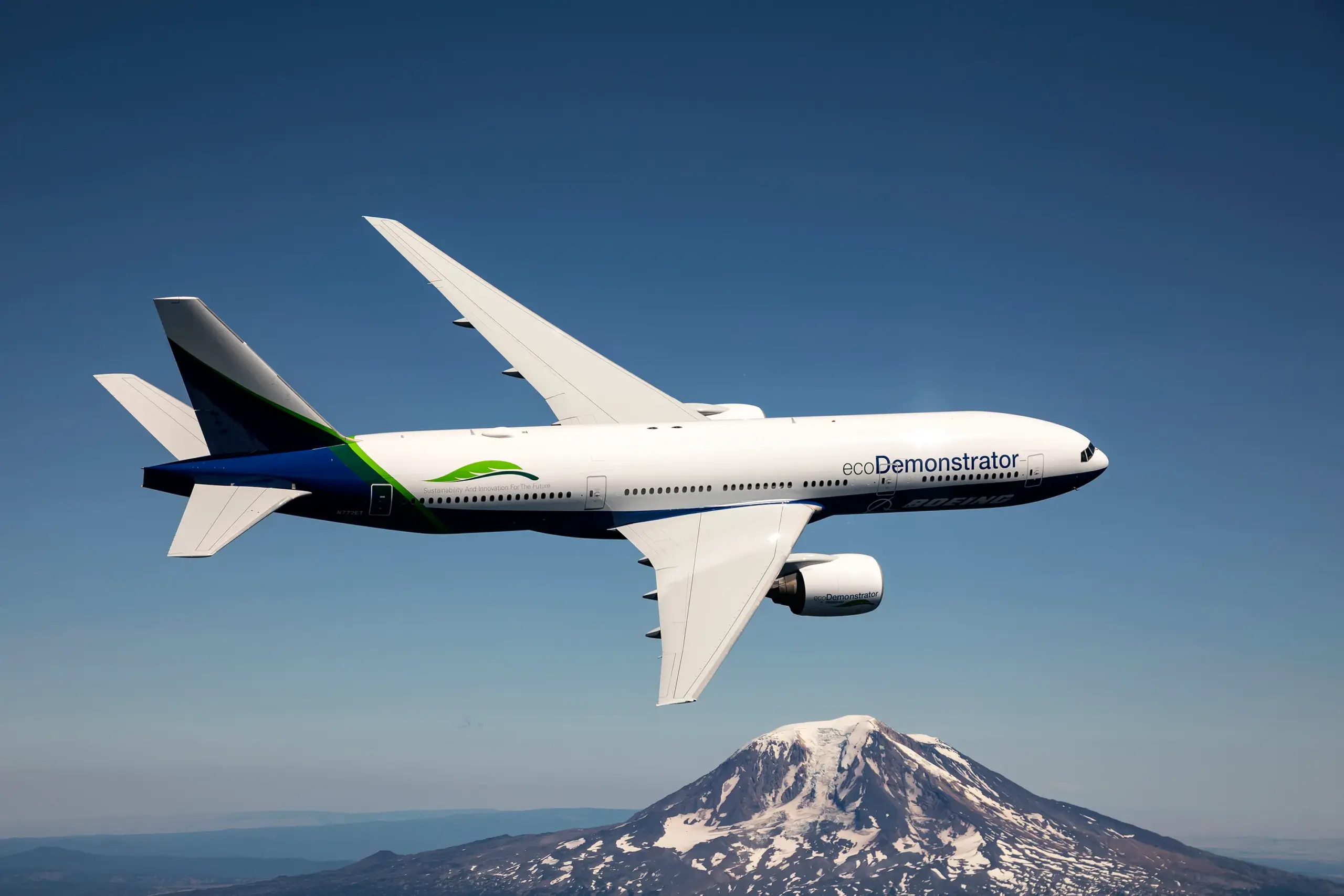
Advanced materials research has also produced materials with properties beyond strength and heat resistance. NASA’s Glenn Research Center and Boeing have tested smart vortex generator fins made with shape-memory alloys on a Boeing ecoDemonstrator 777. Small nitinol rods twist when the temperature changes, moving each fin without requiring a conventional powered motor. The fins can lie flat or rise to control airflow. This could reduce drag and fuel use, lessening the aircraft’s impact on the environment.
Other advances in space engineering have influenced aircraft aerodynamics. NASA’s work on blended winglets – smoothly curved extensions on wingtips – has also reached commercial aircraft. Estimates put fuel-cost savings at more than $4 billion from 2006 to 2010, with carbon dioxide emissions reduced by 21.5 million tonnes.
Space-derived safety systems are already in use on aircraft. Silicon carbide ultraviolet photodiodes can detect flames without interference from ambient light, allowing fire-warning equipment to be smaller and more reliable. Quest Thermal Group is adapting multilayer insulation for aircraft hydrogen tanks. Heetshield offers aerogel-based heat shields for reusable spaceplanes and future high-speed aircraft.
How Technology Transfer Reaches Industry
The European Space Agency (ESA) reviews new research contracts for possible technology transfers outside space, and identifies about 40% as promising for use on Earth. More than 10% produce registered intellectual property. The agency then supports feasibility studies and proofs of concept, reducing the technical risk companies have to face before committing to full testing and deployment. NASA and other organisations also use patent licensing and business incubators to increase aerospace crossover research. Because aviation has strict safety rules, test data and certification work matter as much as the invention itself.
Cost and production speed create another barrier to aircraft manufacturing. A material may perform well in a spacecraft but remain too expensive for a large aircraft fleet. NASA’s Hi-Rate Composite Aircraft Manufacturing (HiCAM) project therefore aims to make production faster and cheaper. NASA plans to invest $184 million, while partners will contribute $136 million. The programme’s goal is to demonstrate full-scale fuselage or wing parts by 2028.
The Next Wave of Space Engineering in Aviation
Future aircraft will need materials that perform more than one function. Current research includes composites with heat control and electrical functions, as well as systems that monitor structural health. Manufacturers are also developing thermoplastics and resin-infused structures to increase component durability and shorten production times.
Further innovation is expected in the field of propulsion. Larger composite fan systems, slim nacelles and ceramic turbine parts could reduce weight and help engines use less fuel. Hydrogen aircraft will need dependable cryogenic insulation. High-speed aircraft, meanwhile, will require stronger safeguards against extreme heating causing oxidation and ablation.
Whether these ideas reach service will come down to build cost and certification. Computer models can narrow the search for new materials, but physical components still have to survive demanding trials. An idea must also be shown to work safely at aviation scale. Space engineering research has already provided many of the tools, and technology transfer programmes are now putting them to practical use.
Which space-derived technology do you think will have the greatest effect on aviation over the next decade? Let us know in the comments below.