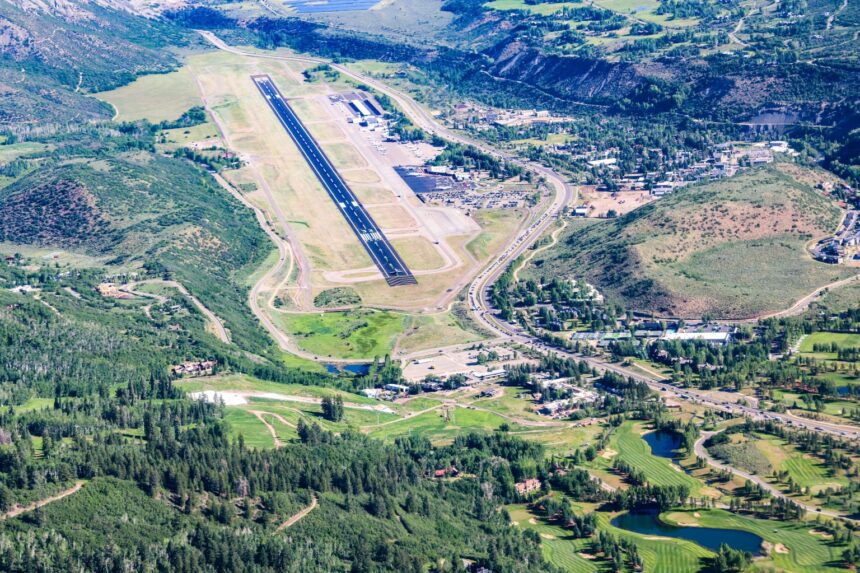
The Aspen/Pitkin County Airport (ASE) will close for seven months in 2027 so that “infrastructure improvements” can take place. This airport closure will ensure the development of the new modernisation project and that efficiency is more accessible when it reopens late next year.
The Closure
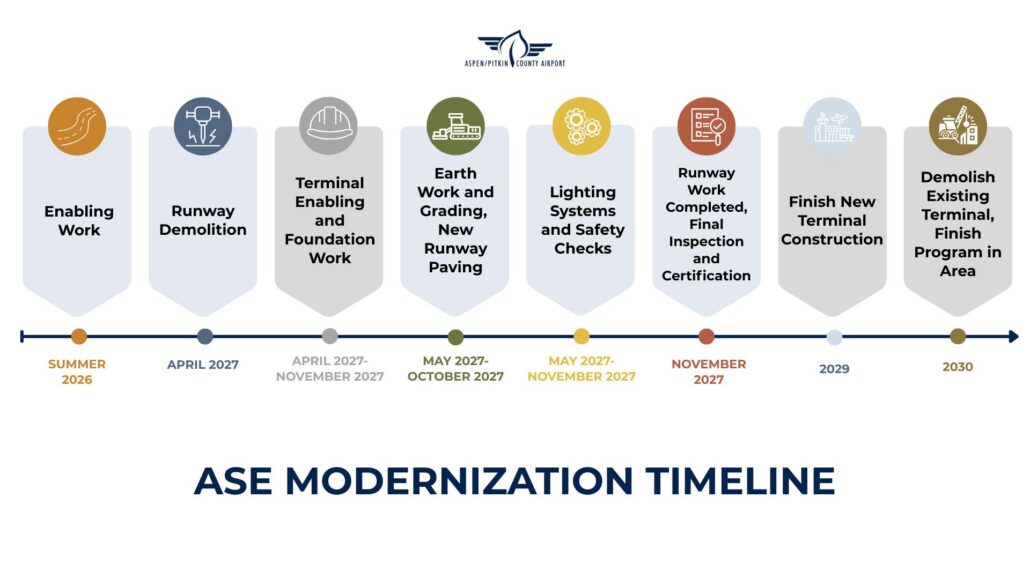
The airport is scheduled to shut down completely starting at 11:00 p.m. on April 4, 2027, and is planned to reopen on Nov. 19, 2027. This 229-day closure will result in the temporary suspension of all commercial and general aviation flights.
According to airport Director, Diane Jackson, the extensive closure is required for a massive runway reconstruction and infrastructure modernisation project:
“Our team is committed to coordinating with federal partners, airlines, general aviation partners, and the broader community as we prepare for this important project and the future of the airport.”
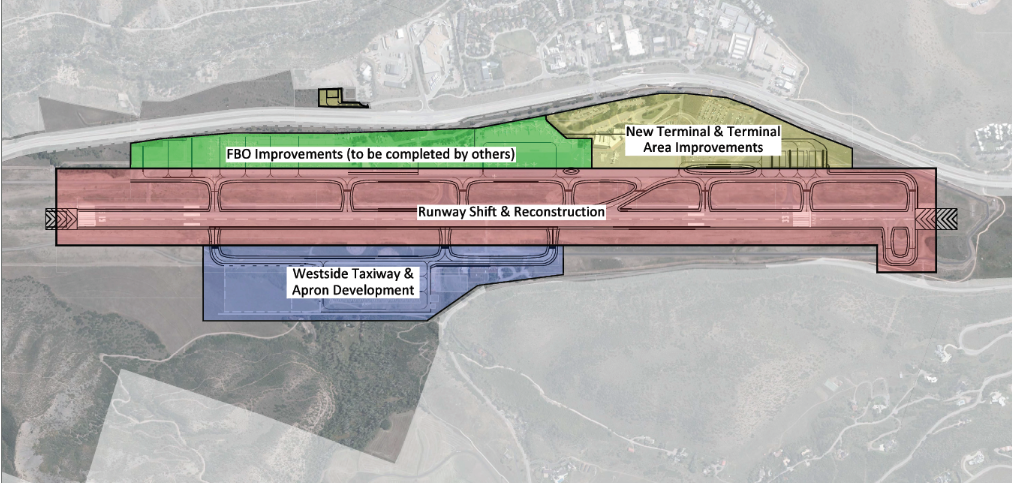
The upgrades will bring the airfield in line with current Federal Aviation Administration (FAA) safety standards and improve long-term operational reliability. Construction on a brand-new passenger terminal and a Fixed Based Operator (FBO) facility will also kick off during this period, with the new terminal expected to be fully completed in 2029.
Construction on a brand-new commercial terminal begins during the 2027 closure. Flight operations will temporarily resume out of the old building in late 2027 until the new facility officially debuts in 2029.
Affected Airlines
-
- Grand Junction Regional Airport (GJT)
- Denver International Airport (DEN)
This airport closure restriction isn’t just for commercial fleets. Private aircraft operators such as NetJets and charter companies will also lose total access to the airfield.
Future Plans and Benefits
The future plans for the Aspen/Pitkin County Airport (ASE) Modernisation Project extend through 2030. The estimated $575 million redevelopment is designed to transform the airfields and landside facilities to support larger aircraft and improve the passenger experience.
Crews will completely rebuild and move the runway 80 feet to create a 400-foot separation from the taxiway. This aligns the airport with standard FAA Class III safety criteria, meaning the airport will no longer be limited to a 95-foot wingspan and can accommodate mainline aircraft like Boeing 737s. This design will also enhance the margin of safety during bad weather or high wind conditions common in the Rocky Mountains.
As airlines are phasing out older regional jets, upgrading the airfield ensures major carriers can service Aspen using newer, standard fleet models without strict structural limitations. Therefore, allowing larger, modern aircraft means airlines can operate newer models that are significantly cleaner and emit less greenhouse gas per passenger.
Jackson added:
“This project is a long-term investment in the safety, reliability, and future of Aspen/Pitkin County Airport, and we will continue to engage with our community every step of the way.”
According to the Pitkin County Government, Atlantic Aviation is investing an additional $105 million into a separate modernisation zone for general aviation and private operations. Once the new terminal handles all passenger volume, the old building will be entirely dismantled. Once it reopens, services will continue to operate from the existing Aspen/Pitkin County Airport until the new terminal is completed in 2029.
What do you think about the seven-month closure of this airport? Let us know in the comments below!