A significant rise in Asia-Europe flight costs has caused issues globally. New, sudden price jumps follow reduced availability after disruptions hit major transit zones. Not every sign of global air travel strain shows up on departure screens — sometimes it appears when standard seats vanish and prices spike within extended travel plans.

Fare Cliffs Show Up on Asia-London Flights
Based on a Reuters review of flight reservation platforms, these pricing trends recently emerged for trips arriving in London.
Pricing data shows a Hong Kong to London one-way economy at about HK$21,135 (US$2,020). Later in the month, a usual rate of roughly HK$5,044 (US$482) emerges. Availability explains part of the gap — no standard seating before March 11.
From Bangkok to London, current quotes sit around 71,190 baht (US$1,691). A more common level, 27,045 baht (US$642), returns if booked by March 18. Seats are nearly gone for early travel periods. Beijing–London figures differ sharply, with one-way business priced near 50,490 yuan (US$5,479). For most travellers, regular economy is absent just now, pushing demand toward higher-tier options where prices fall below $1,085 for a round-trip.
On March 2, each pound held a value near $1.3393 according to data cited by Reuters. Exchange figures stem from real-time market activity during that period.
These changes appear to be linked to the developing crisis in the Middle East. This conflict is impacting much more than prices at London airports.

Capacity Cuts Lead to Higher Fares
Pricing trends now respond more to systemic limits in supply than to individual disruptions. What appears as inflation stems less from random stoppages. Fewer options shape market behaviour over time.
If key hubs face limited access, flight paths stretch unexpectedly. Where air traffic grows dense, delays begin to spread across networks. A rerouted plane often triggers cascading changes downstream. Extended flying time leads to crew scheduling pressures. With gate availability shrinking, turnaround precision declines sharply. Fuel consumption rises when standard routes cannot be used. Maintenance windows shift when arrivals drift later. Passenger connections break more frequently under strain. Network recovery slows once disruptions stack.
Operational costs climb without immediate relief options:
- Longer block times reduce daily aircraft utilisation
- Crew duty limitations require schedule padding
- Remaining seats face pressure from re-accommodation requests
- Available fare “buckets” sell out more rapidly
With each tier of discounted seats gone, pricier options appear by default. As cheaper inventory disappears, the next available fares rise sharply – this shift marks what experts call a fare cliff. Higher prices emerge when early deals run out. Only costlier tickets remain once initial batches sell through. When low-cost availability ends, travellers face noticeably steeper costs. A sudden price jump follows the depletion of base-level seating. This pattern reflects standard airline revenue management logic.
When travel spikes occur, the impact grows stronger. Not just tourism but returning business traffic shapes Asia-Europe routes, where few direct options exist. Under these conditions, small drops in available seats often reshape price levels. Price shifts often begin when capacity tightens.
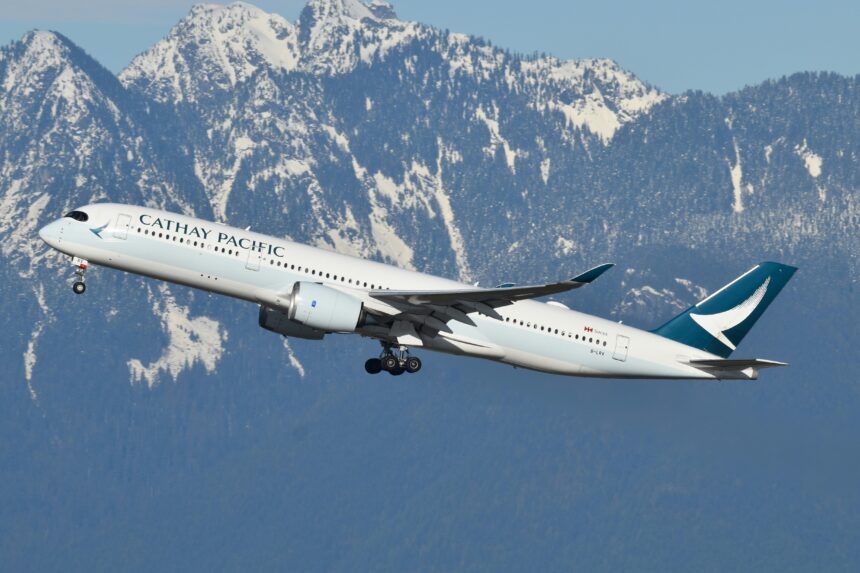
A surge in passenger numbers was seen at several airlines, according to Reuters. Routes through the Gulf faced interruptions and shifting travel patterns. Cathay Pacific and Singapore Airlines both experienced higher load factors. Turkish Airlines also registered stronger bookings amid rerouted journeys.

Notice different prices lately on usual long-distance trips? Share those route details with Travel Radar when shifts appear across specific paths in the comments below!