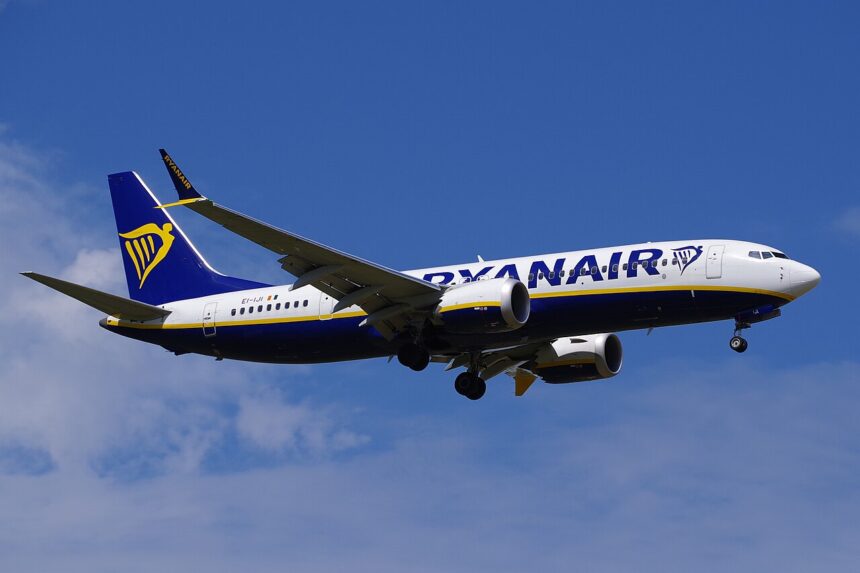
Boeing has identified a potential software glitch in the 737 MAX that can cause the automated flight navigation system to disable during a failed landing attempt, according to a report from the Wall Street Journal (WSJ). This issue has raised concerns over increased pilot workload during a critical phase of flight and prompted a review by the Federal Aviation Administration (FAA).
What’s the issue?
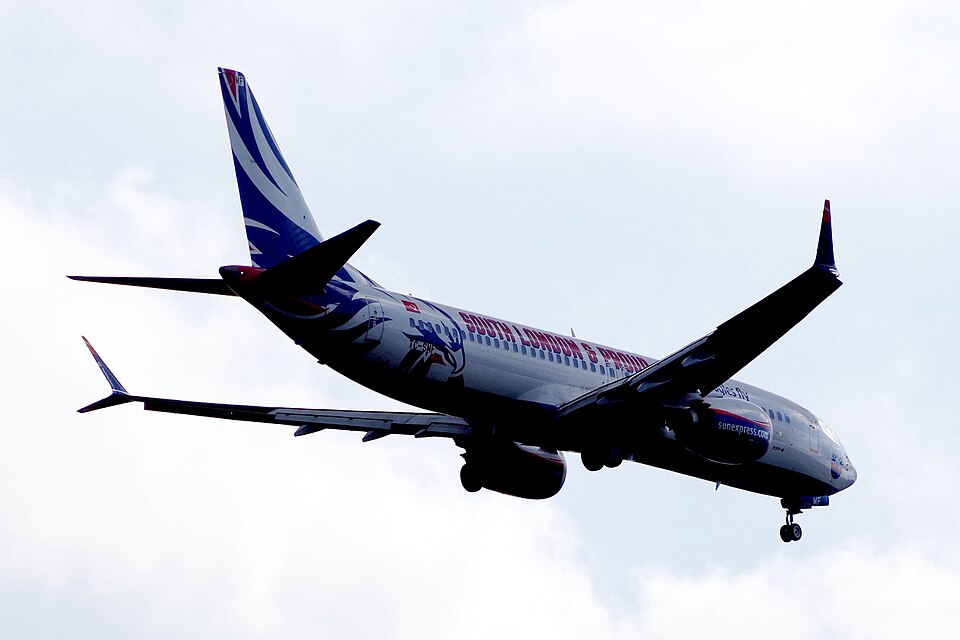
After a recent software update, the aircraft’s automated vertical navigation system (VNAV) could disengage if a pilot changes the pre-programmed flight path in the Flight Management Computer (FMC) following a missed approach or go-around. Although the autopilot remains engaged, pilots would need to input manual vertical and pitch controls, which could pose safety concerns, particularly at low-altitude airports.
The Response
Boeing issued an industry-wide fleet notice in August 2026 to all Boeing 737 MAX operators informing them of the glitch, stating that they do not consider the issue a safety risk and autopilot would remain functional. According to the WSJ, Boeing has plans to provide further clarification in November 2026 and a software patch in early 2028.
The company first became aware of the problem in November 2024, but at the time it was not deemed to meet standards for a safety review. Following subsequent correspondence with 737 MAX operators and a formal safety review this month, Boeing passed the information onto aircraft operators and the Federal Aviation Administration (FAA).
Southwest Airlines and United Airlines have informed Boeing of their intentions to avoid the new software and instead use previous versions. Several airlines including Alaska, American, Southwest and United have confirmed that they are not currently operating the new software in their 737 MAX fleet.
The Boeing 737 MAX family has previously faced intense scrutiny following two fatal crashes in October 2018 and March 2019, linked to the Maneuvering Characteristics Augmentation System (MCAS).
The FAA & the MAX 10
There are currently around 2,400 737 MAX 8 and 9 aircraft in operation. The FAA has since delayed certification of the Boeing 737 MAX 10, the largest of the MAX family, until a full safety risk assessment has been established. On Oct. 2, 2026, the aviation authority convened a Corrective Action Review Board (CARB) to assess the safety concerns around the software glitch.
The FAA has determined that the software glitch does not pose a safety risk, as pilots retain full control of the aircraft and indications to the flight crew are clear and unambiguous.
A Special Airworthiness Information Bulletin (SAIB) will be issued to U.S. airlines and foreign regulators.
What do you think about the software glitch and future safety of the 737 MAX? Let us know in the comments.