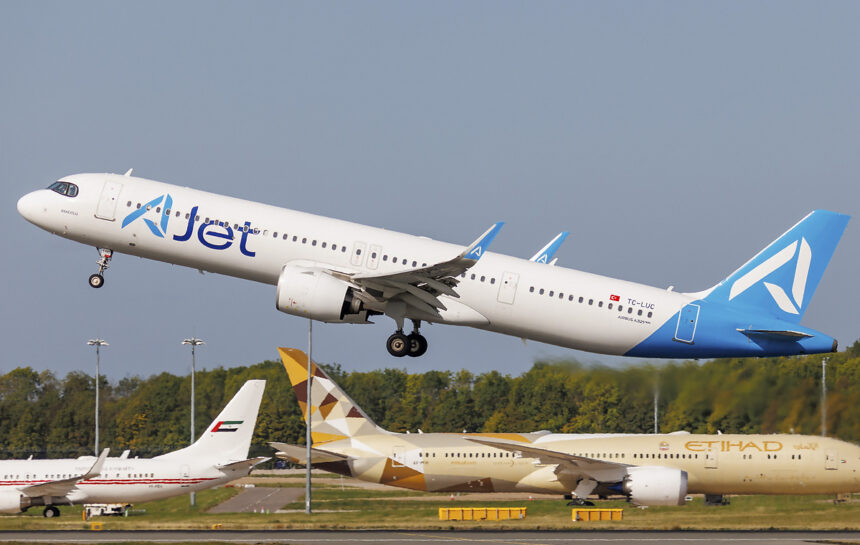
Airbus has announced that a defect in the structure of its A321neo aircraft has been identified. The issue is believed to affect around 500 aircraft, including 250 already in service. The company has confirmed that the defect poses no risk to safety, and its customers can continue operating A321neo planes as normal.
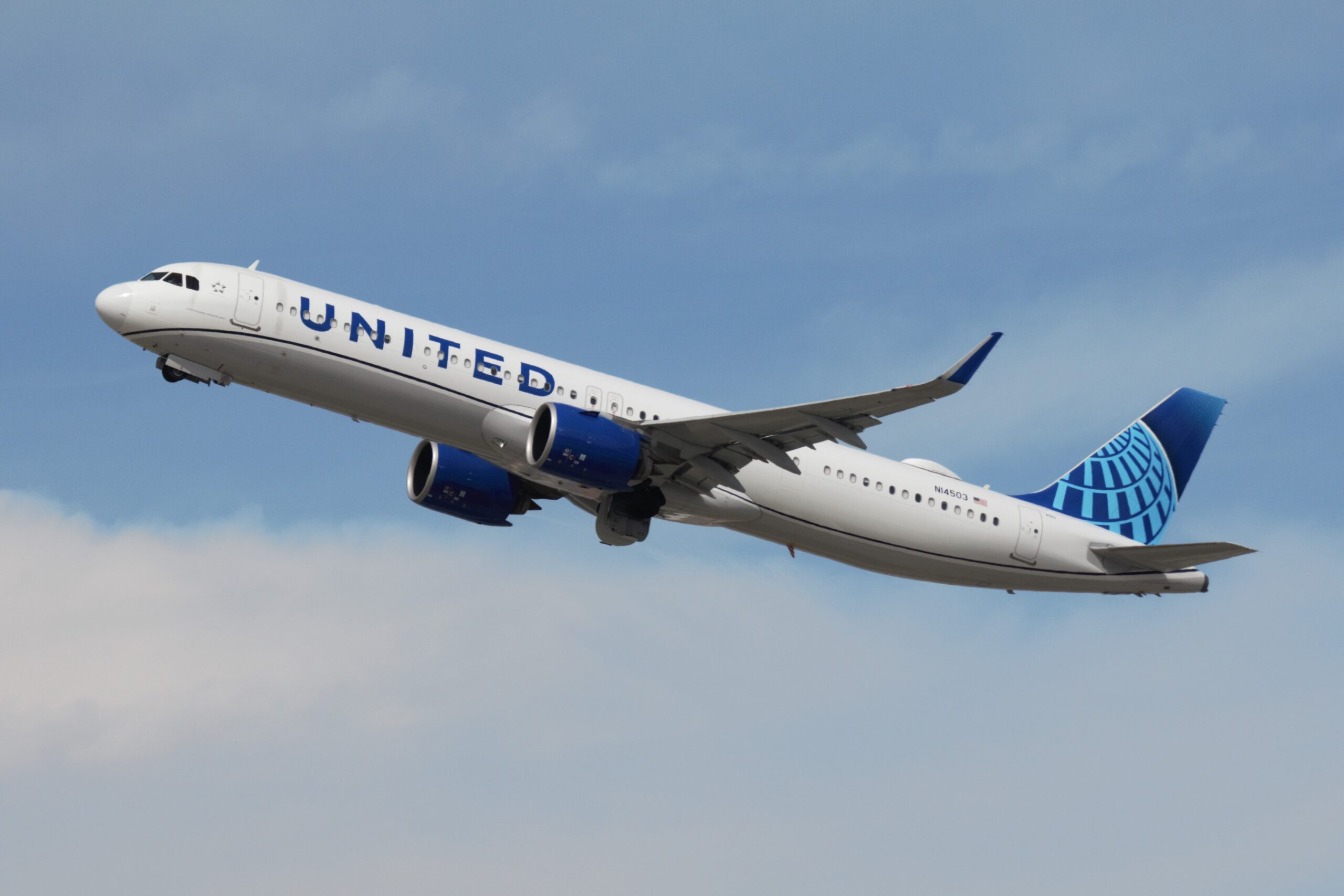
Quality Issue Affects Airbus Best Seller
A source close to Airbus confirmed that it had identified a “quality issue” affecting 500 A321neo aircraft, Reuters reported. Of those impacted, 250 are already in service and the further 250 remain in Airbus’ production services.
The defect was originally identified during the latest summer season, whilst analysis results of the issue have recently been confirmed.
Airbus discovered the existence of a “deviation” in the surface protection that is applied to the skeletal components, known as stringers, of a plane’s fuselage.
Airbus confirmed this in correspondence with The Air Current, stating that the issue had originated with insufficient corrosion protection being applied to the fuselage of A321neo planes. The company said:
“During some standard rework a surface protection deviation on stringers located at the lower front section of the fuselage was identified affecting a number of A321 aircraft.”
Customers have been advised by Airbus that there is no concern regarding aircraft safety nor is there an immediate requirement for repairs to be made to remedy the fault.
Whilst passengers should not be concerned about the safety of travelling in affected A321neo planes, adequate surface protection is crucial for maintaining the long-term safety and integrity of aircraft. Due to the harsh environments of the environments that aircraft travel through, corrosion can affect a plane’s fuselage if not properly prepared over a long period of time, resulting in the gradual deterioration of the plane’s machinery.
Currently, only A321neo aircraft have been identified as having the defect. A321XLR, the longer-range variant, is not believed to have been affected.
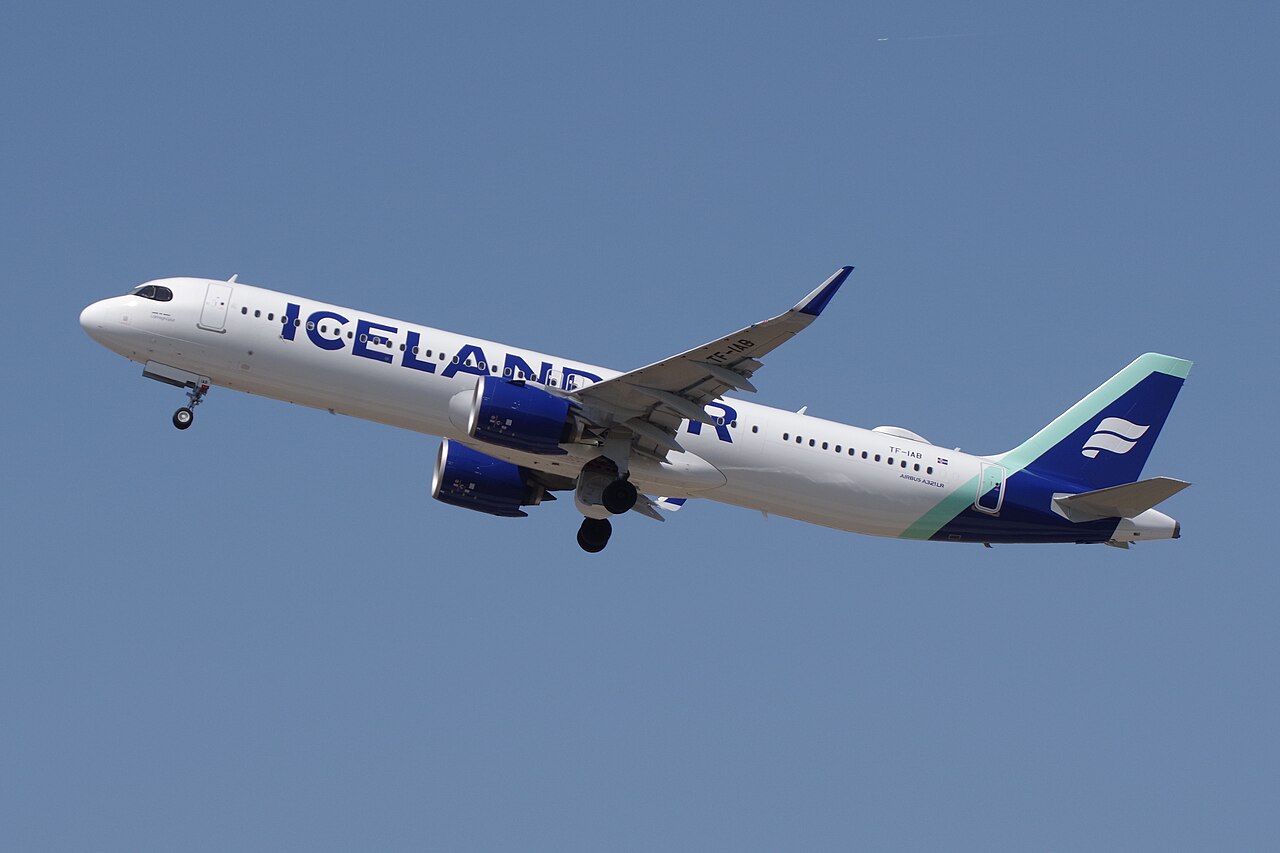
Airbus Fails to Meet its 2026 Delivery Target
This is the latest issue to affect Airbus’ A321neo aircraft following a previous fault identified by the company in December 2025.
The previous issue involved improperly fabricated fuselage panels of A321neo planes; this issue was also confirmed to have no safety implications. Remedial work contributed to several months of delivery delays for the company, however.
This latest defect is likely to contribute to pressure on Airbus’ scheduled medium-term deliveries as it attempts to repair the affected aircraft still in its production system.
These issues, alongside engine shortages, have resulted in Airbus failing to meet its 2026 delivery targets. The company aimed to deliver between 850 and 890 aircraft in 2026, as well as increase its narrow-body aircraft production from approximately 60 aircraft to 70 aircraft per month.
The A321neo is one of the most popular models in commercial aviation. It has a capacity of 244 passengers and is designed to fly routes spanning up to 4,000 nautical miles.
How do you think this defect will affect Airbus’ production and delivery plans? Let us know in the comments below.