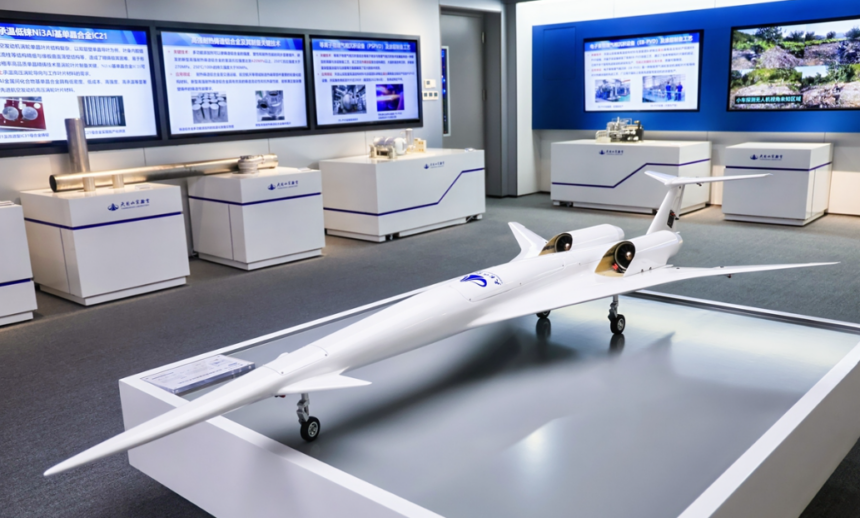
China’s Supersonic passenger aircraft is ready to move into testing stages. The TMS-10 low boom operator is moving into final assembly stages with a test flight expected by the end of 2026. Researchers at Tianmushan Laboratory have already completed wind-tunnel testing, airframe manufacturing and flight-control design stages.
The development stage
The project revolves around a 10 – 15 seater jet intended for business travel and luxury tourism, with hopes for it to achieve Mach 2 speeds. However, its first flight in June 2025, with a demonstrator plane, stayed below Mach 0.2 to test take off, landing and stability. Chinese state media has reported that the supersonic jet would reduce the flight time between Beijing and Shanghai from two hours to thirty minutes, streamlining one of China’s busiest travel corridors.
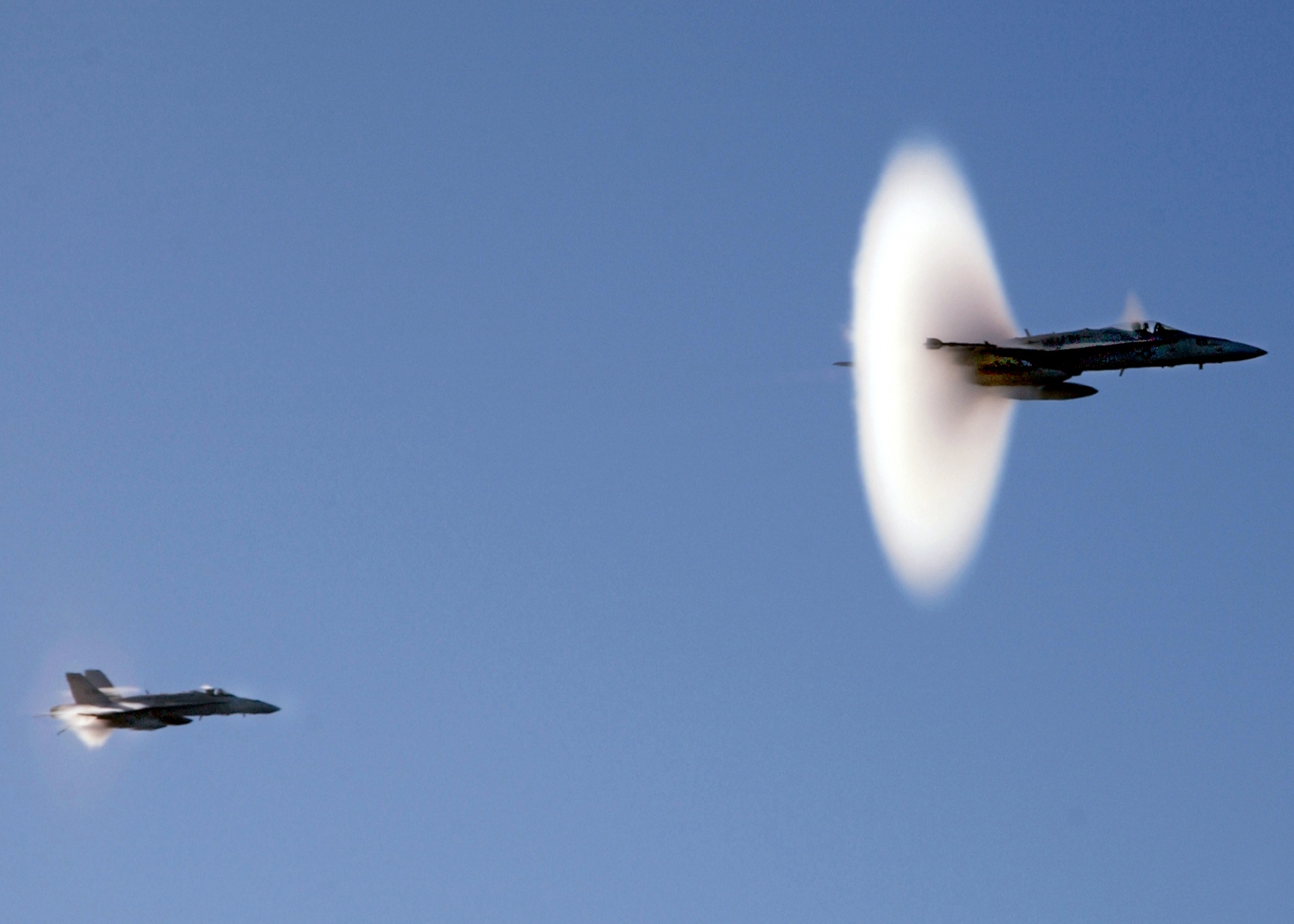
Shockwaves can be a major problem for supersonic flight, often causing severe aerodynamic drag and acoustic disruptions. To combat this, the TMS-10 has designed a three-surface aerodynamic configuration with a T-Tail. This is intended to prevent shockwaves generating around the nose and wings from becoming a stronger wave.
The future of the TMS-10
During the next test flight, the team plans to push the flight through the sound barrier and sustain supersonic flight while measuring its sonic boom, its aerodynamic configuration and flight-control system. In order to carry passengers, the plane will have to undergo further testing to prove its safety.
Wang Ya’nan, editor-in-chief of the Beijing-based Aerospace Knowledge magazine told Global Times that flying faster than sound is not new, but applying it to civilian aviation instead of military aviation poses a different set of challenges. He said that civil aviation must meet stricter requirements for safety, reliability, service life and passenger comfort.
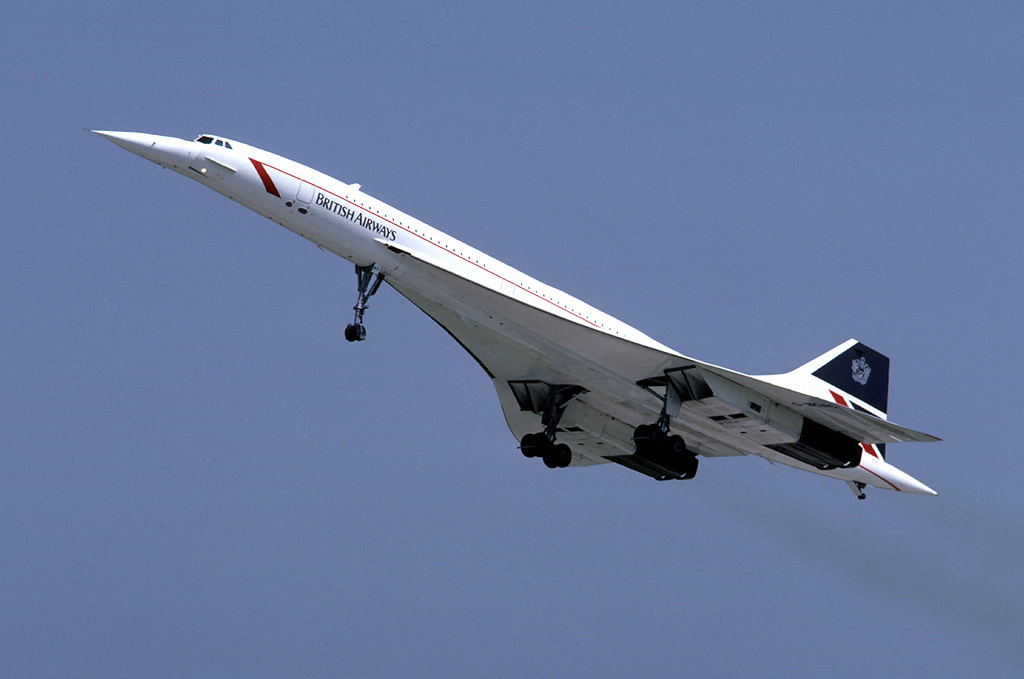
While it has been decades since the use of supersonic flight in a commercial capacity, Tianmushan Laboratory are not the first to bring about its return. Boom Supersonic is developing the Overture, designed to fly the London to New York route in three hours and forty minutes. Nicknamed ‘New Concorde’, this jet could be flying as soon as 2029 and already has major airliners, such as United Airlines and American Airlines, placing orders.
What do you think of the return of supersonic commercial travel? Let us know in the comments.