

Operating miles offshore presents challenges that extend far beyond ordinary transportation. Whether supporting offshore energy projects, conducting infrastructure inspections, transferring specialist crews, or delivering time-sensitive equipment, organizations need dependable aviation solutions that can operate safely in demanding environments. Unlike conventional travel, offshore missions require careful coordination, experienced flight crews, and aircraft equipped for operations over open water. Professional Offshore Helicopter Services provide the speed, flexibility, and reliability needed to keep remote projects moving while minimizing delays and maintaining operational continuity.
Why Offshore Transportation Requires Specialized Aviation
Reaching offshore platforms, vessels, and coastal infrastructure is rarely straightforward. Marine conditions can change rapidly, and long travel times by boat may delay maintenance schedules or emergency repairs. Helicopters offer a practical alternative by providing direct access to offshore destinations while significantly reducing travel time for personnel and essential cargo.
Unlike standard helicopter charters, offshore flights involve additional planning before every departure. Flight crews assess weather forecasts, fuel requirements, aircraft performance, passenger loads, destination conditions, and emergency procedures to ensure each mission can be completed safely. This preparation allows organizations to move technical teams quickly while reducing unnecessary downtime across offshore operations.
Supporting Offshore Industries
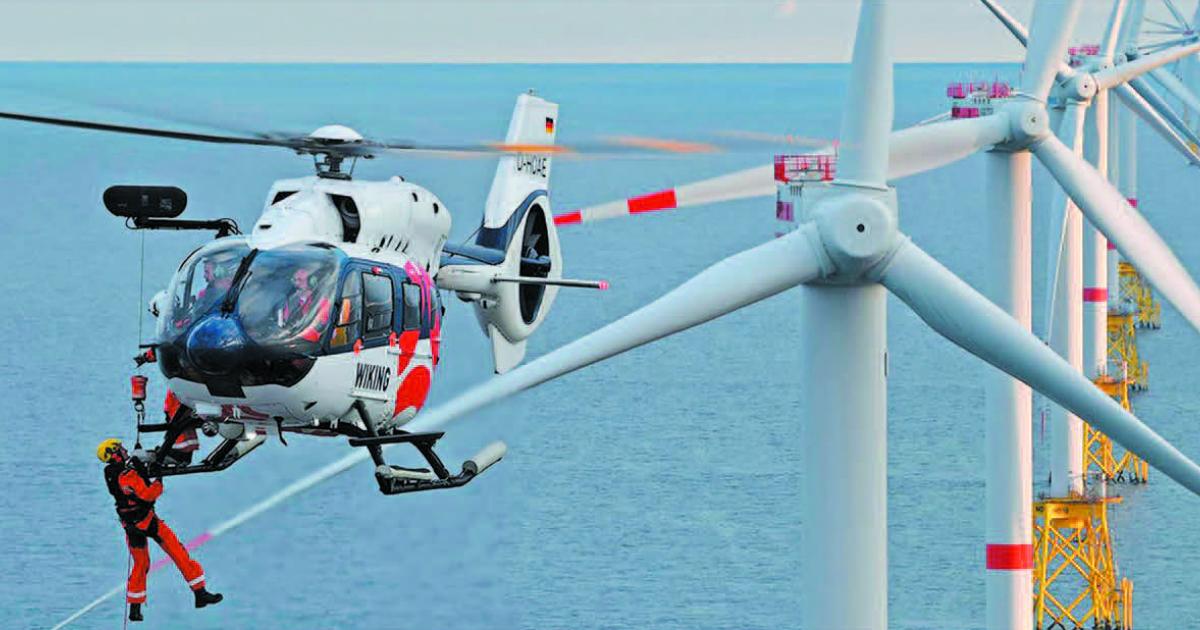
Offshore helicopter transportation plays an important role across numerous industries. Renewable energy developers, marine construction companies, engineering firms, environmental consultants, and infrastructure operators all depend on efficient access to remote worksites.
As offshore infrastructure expands, transportation becomes an increasingly important part of project planning. According to the Federal Aviation Administration’s Aeronautical Information Manual, Chapter 10, offshore helicopter operations require standardized procedures covering passenger handling, platform coordination, hazard awareness, and operational safety. These established practices help support consistent and safe flight operations in marine environments.
For organizations working offshore, dependable aviation services help maintain project schedules while providing reliable access to locations that would otherwise require considerably longer journeys by sea.
Crew Transportation That Keeps Projects Moving
One of the primary uses of offshore helicopters is transporting personnel between onshore facilities and offshore worksites. Engineers, inspectors, maintenance technicians, project managers, and specialized contractors often need to travel to platforms or vessels operating many miles from the coast.
Efficient crew transfers allow maintenance work, inspections, and operational activities to begin sooner, reducing idle time for both personnel and offshore facilities. Scheduled crew rotations also help organizations maintain productivity while supporting workforce safety and operational continuity.
For projects operating under strict timelines, reducing travel time can have a meaningful impact on overall efficiency.
Delivering Critical Equipment Without Delay
Personnel are only part of the equation. Offshore facilities frequently require replacement components, specialized tools, inspection equipment, and other essential supplies that cannot wait for the next scheduled vessel.
Helicopters provide a practical solution for transporting mission-critical cargo directly to offshore locations. Whether supporting planned maintenance or responding to unexpected operational issues, rapid delivery helps technical teams complete repairs sooner and minimize disruptions.
Because every mission has unique weight, size, and scheduling requirements, experienced operators work closely with customers to determine the most effective transportation solution for each assignment.
Planning Around Weather and Operational Challenges
Weather remains one of the most important considerations during offshore operations. Wind conditions, visibility, precipitation, and changing sea conditions all influence flight planning.
Professional aviation providers continuously monitor weather information before and during each mission. If conditions change, flight crews and dispatch personnel evaluate alternative routes, revised departure times, or other operational adjustments that support safe decision-making.
This proactive approach allows operators to balance schedule requirements with the highest priority of every flight: safety.
Experience Matters in Offshore Aviation
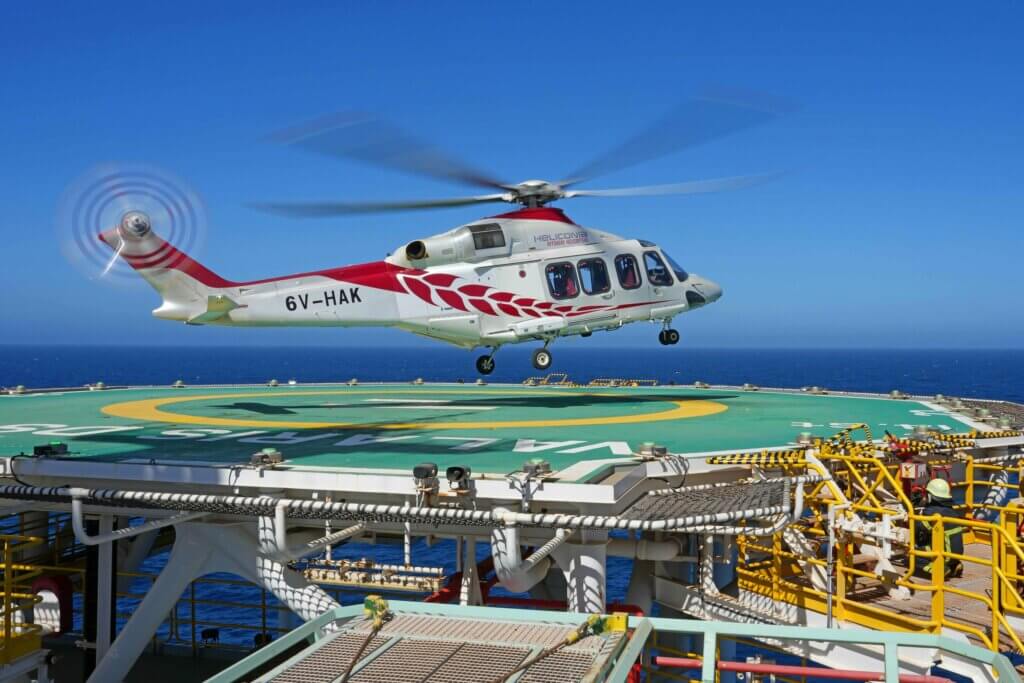
Successful offshore transportation depends on much more than having the right aircraft. Experienced operators understand how to coordinate with offshore facilities, communicate effectively with ground teams, and prepare for the challenges associated with flights over open water.
Routine aircraft maintenance, detailed pre-flight planning, regulatory compliance, and continuous crew training all contribute to dependable operations. Every mission requires careful attention to detail, from passenger manifests and cargo planning to fuel management and destination requirements.
Organizations benefit from working with aviation providers that understand the logistical demands of offshore environments and can adapt to changing operational conditions without compromising safety.
Choosing the Right Offshore Aviation Partner
Selecting an offshore helicopter provider involves evaluating more than availability or hourly rates. Organizations should consider an operator’s safety record, maintenance standards, operational experience, aircraft capabilities, and ability to support complex mission requirements.
A trusted aviation partner develops customized flight plans based on each customer’s operational needs rather than relying on a one-size-fits-all approach. This includes reviewing destination requirements, weather forecasts, cargo specifications, crew schedules, and contingency plans before every flight.
Strong communication is equally important. Customers should know what information is required before departure, what factors could affect scheduling, and how operational changes will be managed if conditions evolve. This level of coordination helps create smoother operations while reducing unnecessary uncertainty.
Offshore projects rely on transportation solutions that prioritize safety, efficiency, and reliability. Whether moving specialist personnel, supporting routine maintenance, delivering critical equipment, or providing access to remote marine infrastructure, helicopter transportation helps organizations overcome many of the logistical challenges associated with offshore operations.
By combining experienced flight crews, detailed operational planning, and aircraft capable of serving demanding environments, offshore aviation providers play an important role in keeping projects on schedule and supporting long-term operational success.
Ready to put our offshore helicopter services to the test? Request an offshore helicopter services quote.