

The International Air Transport Association (IATA) ha released the latest edition of its annual Global Passenger Survey (GPS). This year’s GPS found that overall satisfaction with air travel had increased from 86% to 87%, with travellers from the IATA’s Asia-Pacific region having the highest satisfaction rates. This was the first edition of the survey to ask passengers specifically about their experiences with the use of AI in aviation.

Satisfaction Rising in Most Regions
‘Overall Satisfaction With Air Travel’, the IATA’s headline measure of passenger satisfaction, has risen slightly from 86% in 2025 to 87% this year.
This was partly fuelled by passenger satisfaction in the Latin America and Caribbean region rising from 80% in 2025 to 85% in 2026, the largest rise of any region.
Asia-Pacific passengers were the most satisfied of those surveyed, with overall satisfaction rising from 89% in 2025 to 90% in 2026.
Europe was the only IATA region to experience a fall in satisfaction, from 85% in 2025 to 84% in 2026.
This means that European passengers are now the least satisfied of those surveyed.
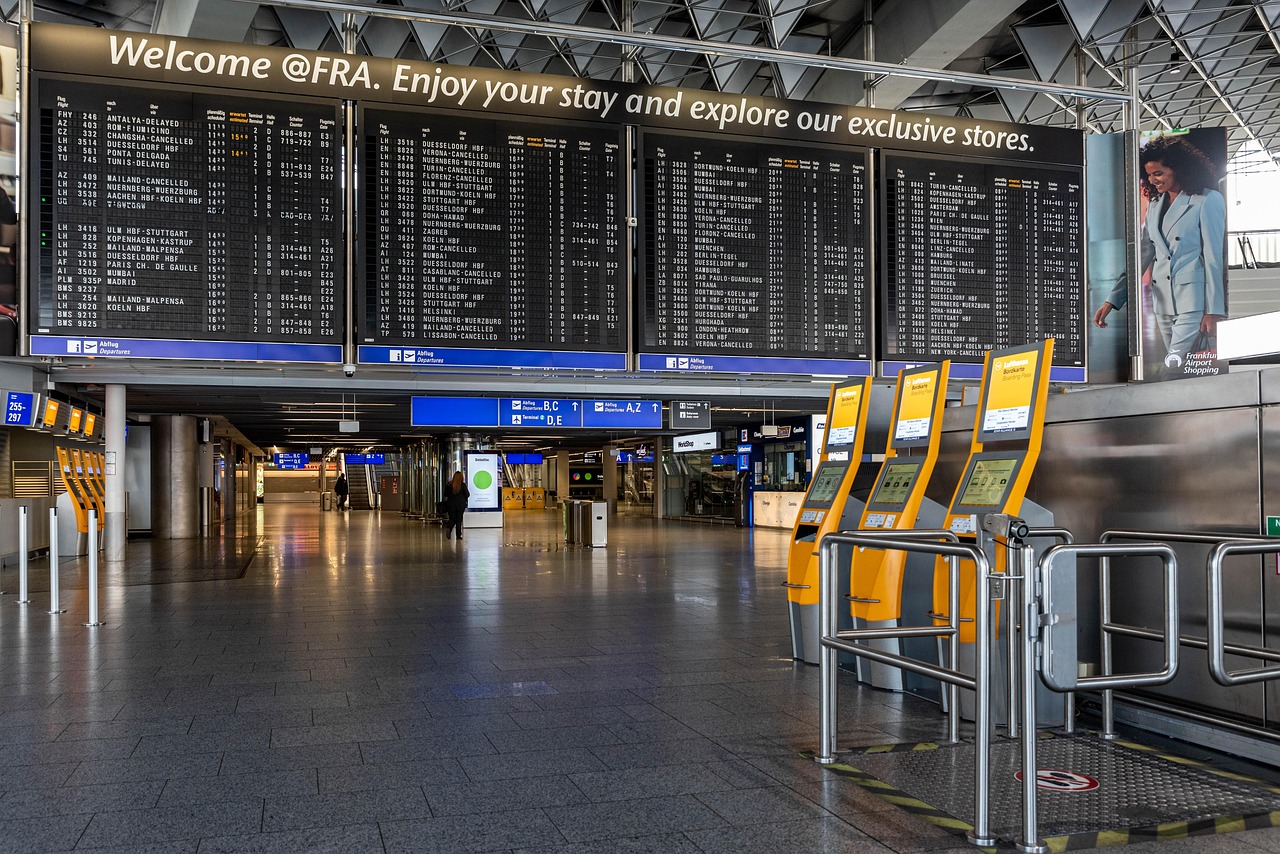
Biometric Checks Become More Widespread
Aside from the overall satisfaction measure, the GPS also monitors specific details of passengers’ air travel experience.
This year’s survey found that 58% of passengers have experienced some form of biometric check when flying during the past 12 months.
This is a significant increase from the 50% of passengers recorded as having experienced biometric checks in 2025, and the 34% who experienced them in 2022.
The IATA’s Senior Vice President for Operations, Safety, and Security, Nick Careen, believes that,
“Passengers are embracing technology to make travel easier (…) Biometrics and digital identity are creating a faster and more seamless airport experience.”
The GPS found that 78% of passengers were willing to share their biometric information if it allowed them to skip queues for passport or boarding pass checks.

What is the IATA GPS?
The IATA has conducted a GPS each year since 2012, with the goal of monitoring trends in passenger experience across the world’s airlines.
A summary of the report is released publicly, with the full findings available to buy for airports, airlines, and aviation authorities.
This year’s survey was conducted in conjunction with the opinion polling agency Ipsos, and included responses from 10,000 passengers from over 200 years.
This was the first year in which respondents were specifically asked about their experiences with using AI in air travel.
The GPS found that 49% of respondents had used AI for travel planning.
AI was most commonly used by Middle Eastern respondents, with 72% of passengers saying they had used it for travel planning.
Would you be happy to use your biometric details when flying? Have you used AI to plan a journey? Let us know in the comments.