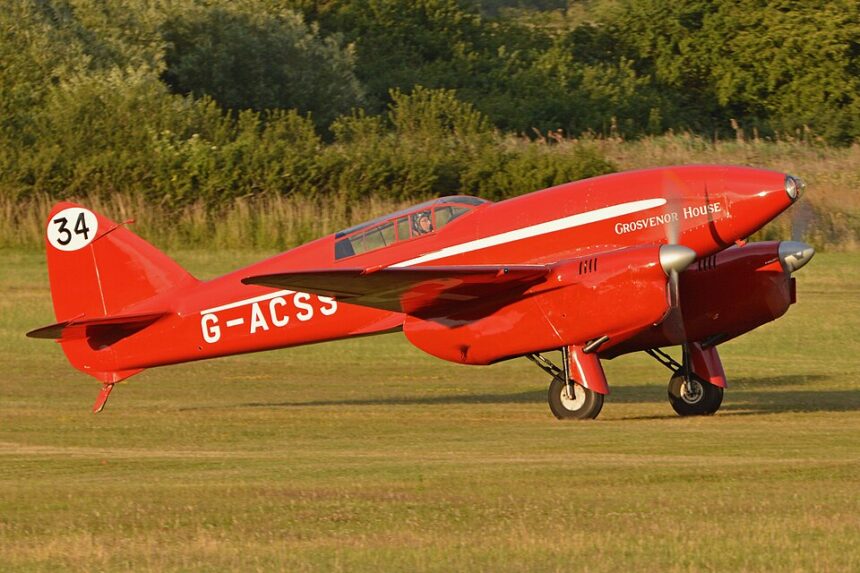
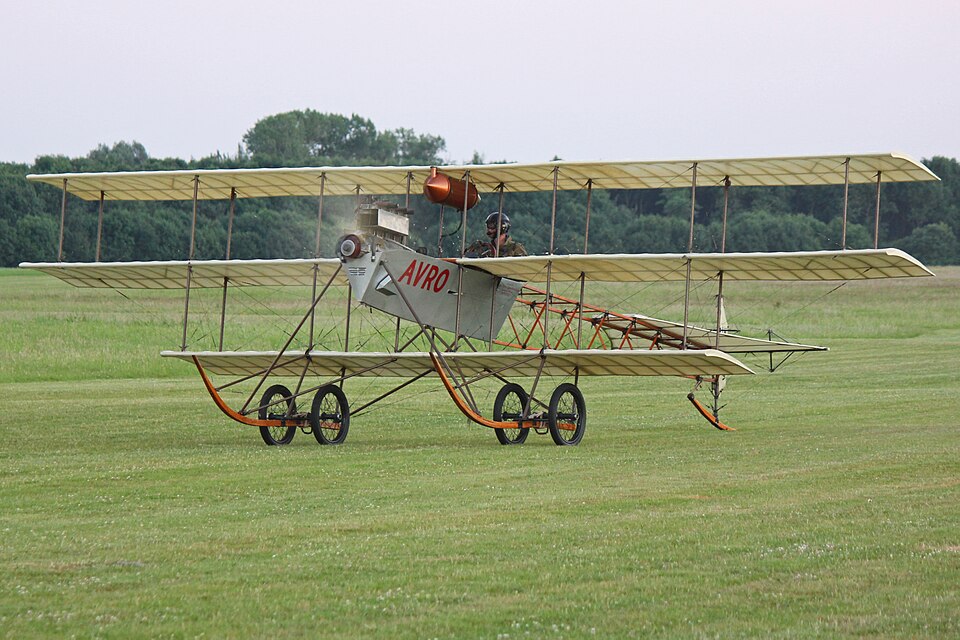
A pilot flying an Avro Triplane IV replica was forced to land in a tree during the Wings and Wheels Air Show at Shuttleworth, Bedfordshire on Saturday, May 30. At the same location, on Saturday, Aug. 15, a pilot crashed while landing a de Havilland DH.88 Comet during a “flying proms” air display. The following day, Sunday, Aug. 16, a third pilot was seriously injured during a low-level display at Stow Maries Great War Aerodrome in Purleigh, Essex.
Investigators from the Air Accidents Investigation Branch (AAIB) will evaluate the circumstances around all three incidents, which luckily did not result in pilot fatalities or injuries to members of the public watching on the ground. These recent incidents will prompt further discussion about the safety of airshows, particularly when using vintage aircraft.
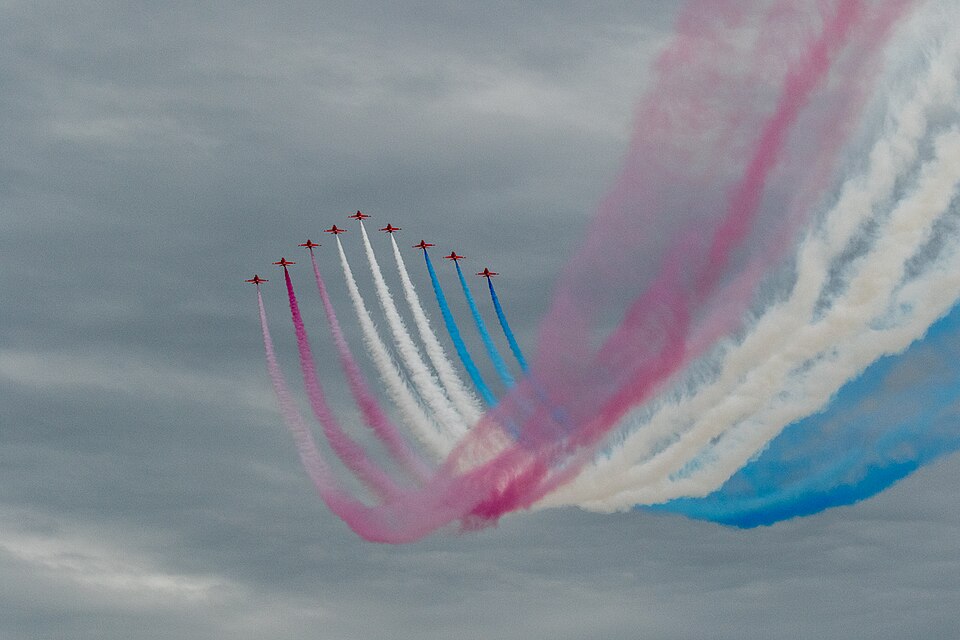
The British Airshows website lists 29 major UK air shows for this year, including the Clacton Airshow featuring the iconic Red Arrows Display Team, from August 27. Dave Walton, Clacton Airshow flying display Director recently justified the use of vintage planes in aerial displays to the BBC:
“As we move further away from the Second World War, it is important these stories are still told. These aircraft are vintage but they are fitted with modern systems, so they’re brought up to date as much as they can be. It means they’re safe to be brought out for crowds to enjoy and for these stories to live on.”
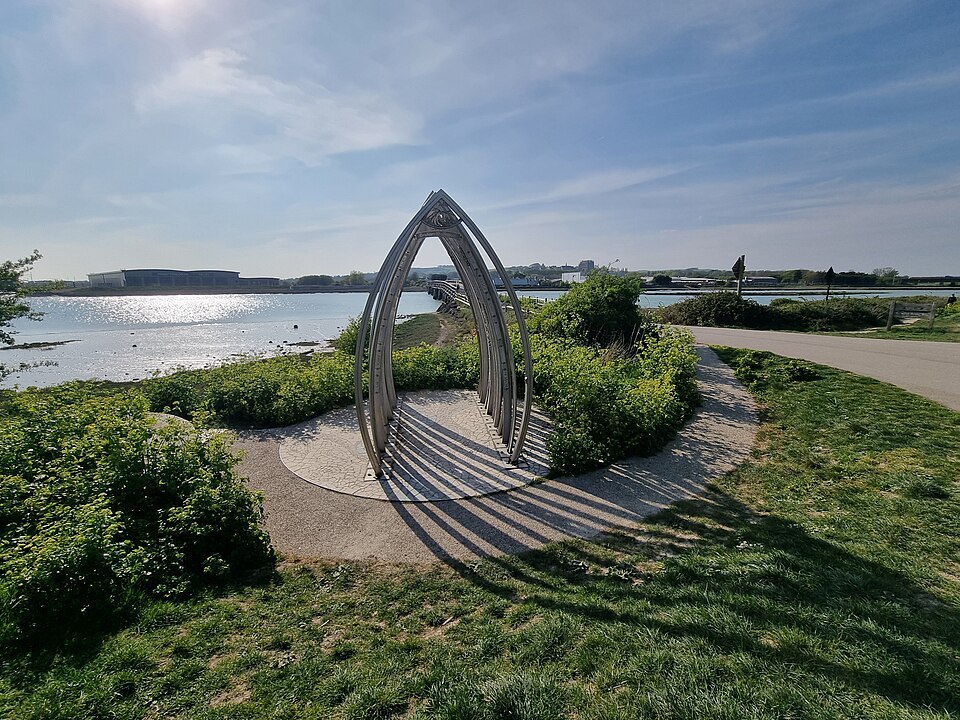
On August 22, 2015, during the RAFA Shoreham Airshow, 11 men were tragically killed when pilot Andrew Hill crashed a vintage Hawker Hunter jet into the busy nearby A27 road while attempting a mid-air stunt. Hill and 12 other people were also seriously injured. The incident led to the airshow being discontinued after more than two decades. The directors wrote on the website:
“Our thoughts will always be with the families and loved ones of those who so tragically lost their lives, and those who were injured on that day.”
The AAIB inquiry concluded the crash was caused by pilot error and could have avoided if the loop maneuver had been executed at a greater height and speed.
In 2019, pilot Andrew Hill was cleared by an Old Bailey jury of manslaughter by gross negligence. However, three years later, a coroner found the 11 men died unlawfully. In 2024, Hill unsuccessfully appealed the Civil Aviation Authority’s decision to revoke his pilot licence and will never fly again.
Following the Shoreham Airshow disaster, a review of regulation led to the identification of 29 safety improvements. For example, crowd placement must now be more than 230 metres away from displays or at least 150m for light aircraft and helicopters. Display directors, organisers and pilots must all be fully accredited. Walton also confirmed third parties, those not watching or otherwise involved, such as the victims in Shoreham-by-Sea are now better protected.
Travel Radar expresses our condolences to all those affected by incidents, particularly in Shoreham-by-Sea.