
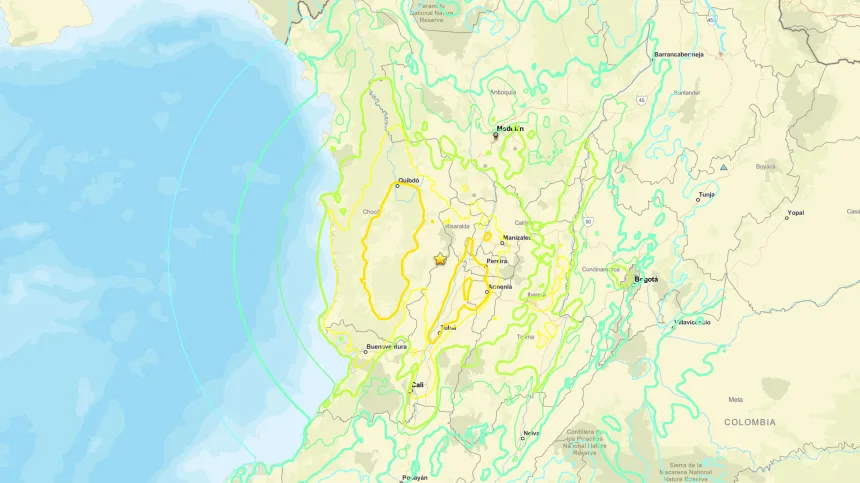
On Monday, Aug. 10, a 7.4-magnitude earthquake struck western Colombia at 07.34 a.m. local time (12.34 p.m. GMT) and is reported to be one of the country’s largest earthquakes in years. To inspect and assess structural damage, the country’s civil aviation authority, Aerocivil, suspended flights across multiple regional hubs. A state of emergency was declared by new President Abelardo de la Espriella, and sadly, at least 169 people are now known to have been killed at the time of writing.
Assessments
Due to the intensity of the earthquake, Aerocivil has been assessing terminal buildings, runways, control towers and operational areas to ensure safety. Passengers are advised to contact their airlines and avoid travelling to the suspended airports until they are officially declared safe.
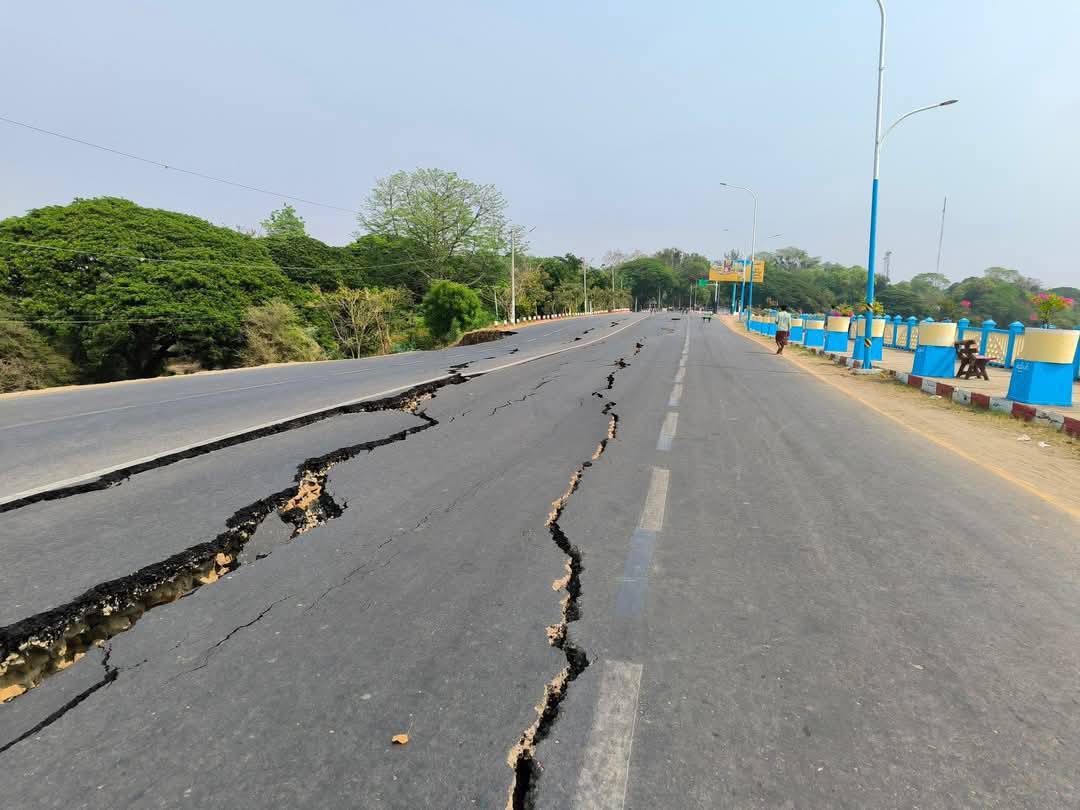
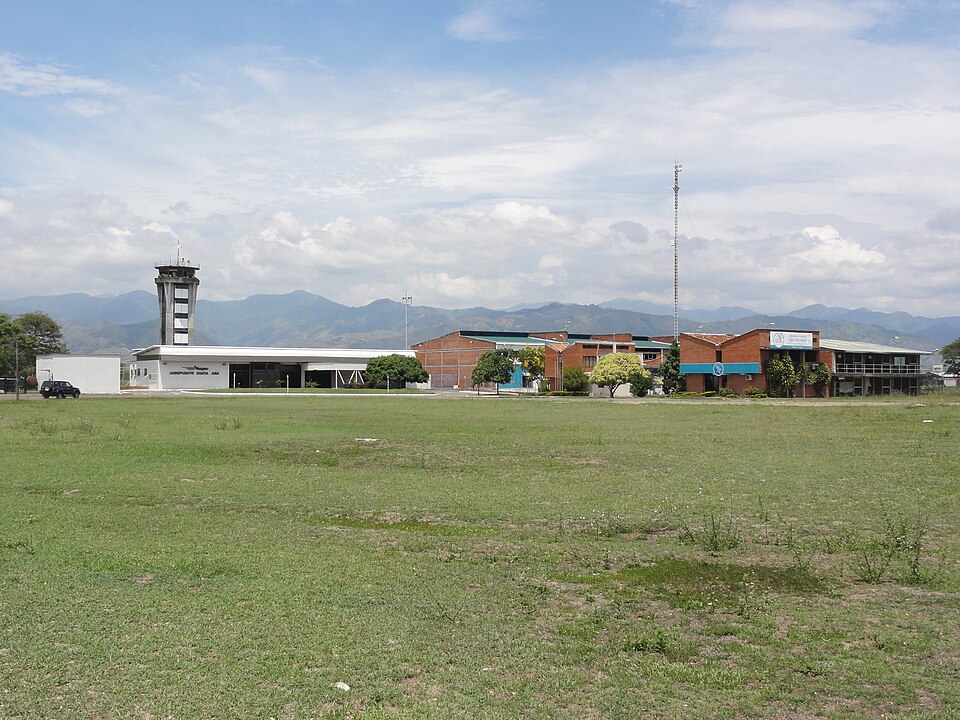
Pereira’s Matecaña International Airport (PEI) suffered severe damage, which Aerocivil confirmed on its website includes cracks in the runway and the disconnection of ATS communications systems. The control tower structure is still being assessed. Commercial operations remain completely suspended here, as well as at Santa Ana Airport in Cartago (CRC) and Guillermo León Valencia Airport in Popayán (PPN) due to the presence of volcanic ash in the area.
Operations at the following airports were suspended but have resumed commercial operations: Alfonso Bonilla Aragón Airport in Cali (CLO), El Caraño Airport in Quibdo (UIB), El Eden International Airport in Armenia (AXM), Gerardo Tobar López Airport in Buenaventura (BUN) and La Nubia Airport in Manizales (MZL). The latter confirmed the “movement area and runway are in perfect safety conditions” but that repairs are being carried out in the control tower, which suffered cracks and broken glass.
Statements
The statement dated Aug. 11, 2026, on Aerocivil’s website also said:
“After the recent seismic event, the Secretariat of Air Navigation Services confirms that the operability of the national airspace is fully maintained. Thanks to the immediate deployment, technical articulation and coordinated work of our teams, the service operates normally. Likewise, the continuity, stability and coverage of the communications, surveillance, navigation and meteorology systems is ratified, ensuring at all times the strictest standards of operational safety in the national territory.”
The initial Aerocivil statement released on the day of the event also expressed “solidarity with all the people affected in the different territories of the country”.
In December 2025, a similar-sized 7.6-magnitude earthquake affected Japan, causing airport disruption.
Travel Radar would also like to express our condolences to all those affected by the earthquake.