Local authorities have confirmed that a plane crash killed all 13 people on board a tourist sightseeing flight over the Nazca Lines in Peru. The tragic accident occurred on Saturday, Aug. 1, when passengers were visiting the famous Nazca region as part of a popular tourist attraction that offered to fly over the UNESCO site. The cause of the crash remains under investigation.
Tourist attraction turns deadly as 13 fatalities are confirmed
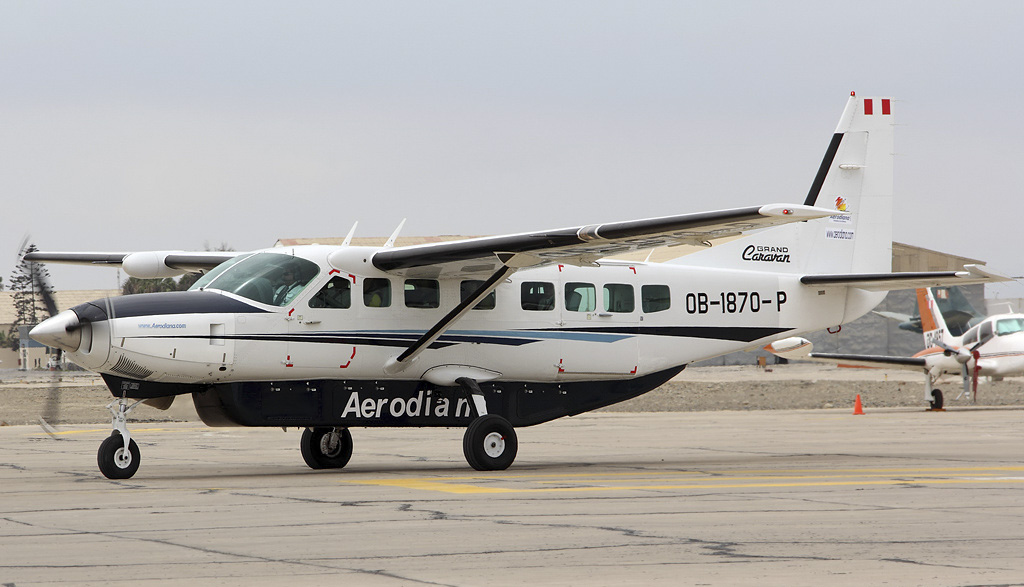
Around 1 p.m. local time on August 1, a Cessna Caravan C-208 carrying 11 passengers and two pilots crashed in southern Peru as it undertook a common tourist expedition flight over the famous Nazca Lines.
The plane departed from the Capitán Renán Elías Olivera Airport (PIO), also known as Pisco International Airport, and was in the air for around 50 minutes before the incident occurred. The aircraft was in the country’s Ica region when it crashed, near a town called Socos, which is approximately six kilometres (four miles) from the city of Nazca.
The small plane had been carrying 11 European tourists when it crashed, including seven Italians, two Germans, and two Spaniards, according to Peru’s state news agency, Agencia Andina. Unfortunately, all were confirmed deceased when local authorities reached the crash site. The other fatalities were the flight’s crew, pilot Américo Salazar and copilot Irenka Guanilo del Carpio.
In initial comments to reporters, Police Major Jorge Andrade said:
“We have information that 11 passengers and two crew members have died. Given the severity of the accident, there are no survivors. We have recovered four bodies so far.”
On the social media platform X, Italian Prime Minister Giorgia Meloni said:
“On behalf of the Italian government and on my own behalf, I express my deepest condolences to their loved ones at this time of immense grief.”
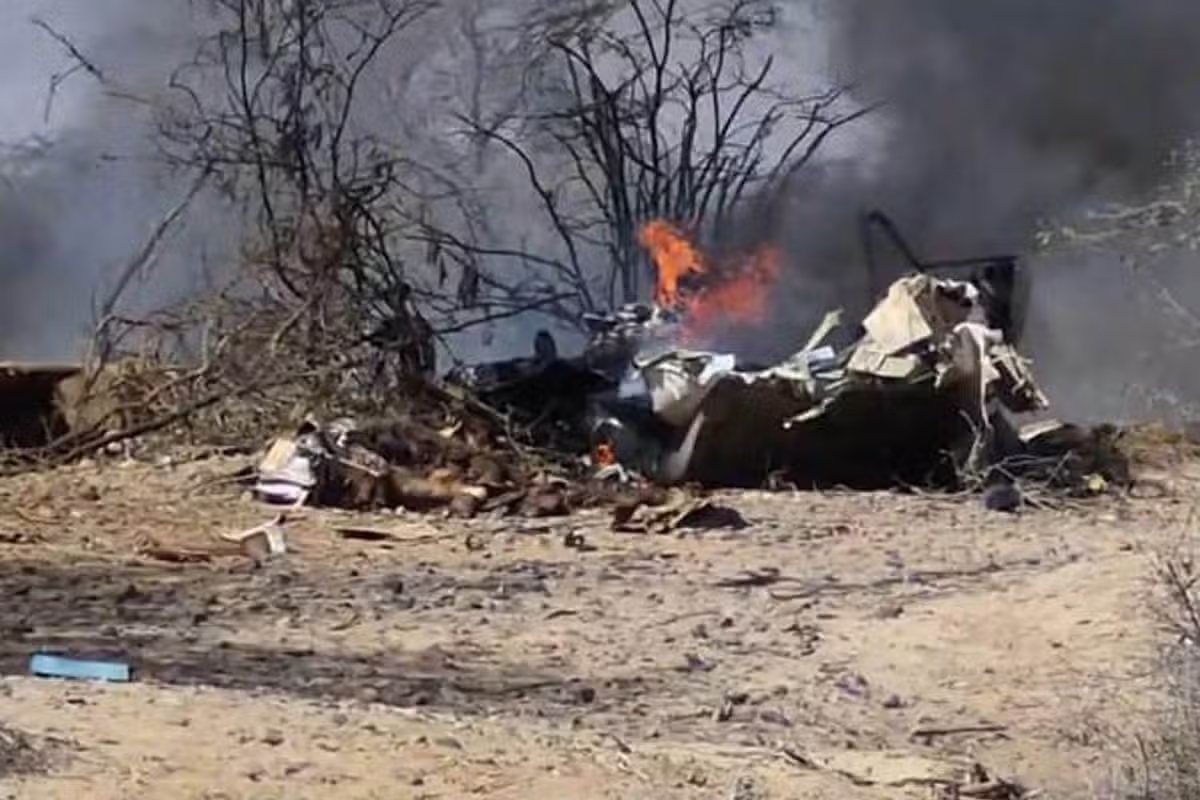
Causes of the crash are unknown as an investigation is launched
The causes of the plane’s crash are unclear and have not yet been confirmed by any official authorities.
Flights from an airport close to the Nazca Lines site, Maria Reiche Airport, suspended sightseeing flights the day before the incident, July 31, following wind speeds exceeding 40 kph (25 mph) as well as reduced visibility reports. Flights resumed Saturday morning from the airport. The Cessna C-208 departed from the Pisco Airport, where flights had not been suspended. It is not yet clear whether wind or visibility played any role in the plane’s crash.
Peruvian Foreign Trade and Tourism Minister Rogers Valencia confirmed to reporters that the crew reported an in-flight emergency to the Nazca air traffic control tower; radio contact with the aircraft was lost soon after.
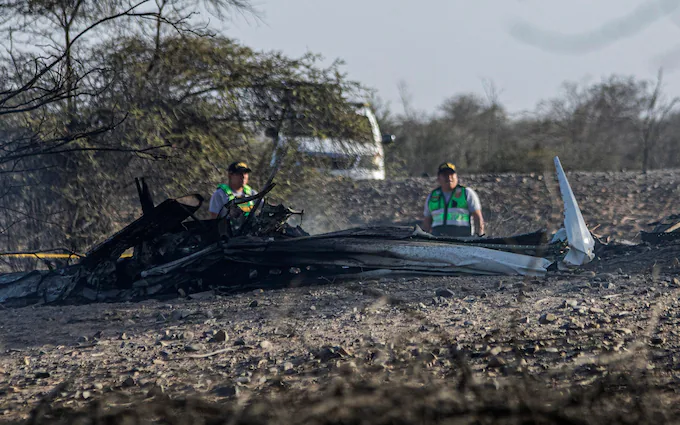
Whilst the exact details of the causes of the crash are yet to be confirmed, photos and videos circulating online show the plane wreckage doused in flames and the aircraft’s parts scattered between fields. A resident of Socos, a town the plane flew over just prior to the incident, claimed the plane had exploded on impact.
The wreckage was attended by police officers, firefighters, and members of the General Directorate of Civil Aeronautics (DGAC), where it was confirmed there had been no survivors. DGAC and the aviation accident investigation commission have confirmed that an inquiry into the incident will be launched.
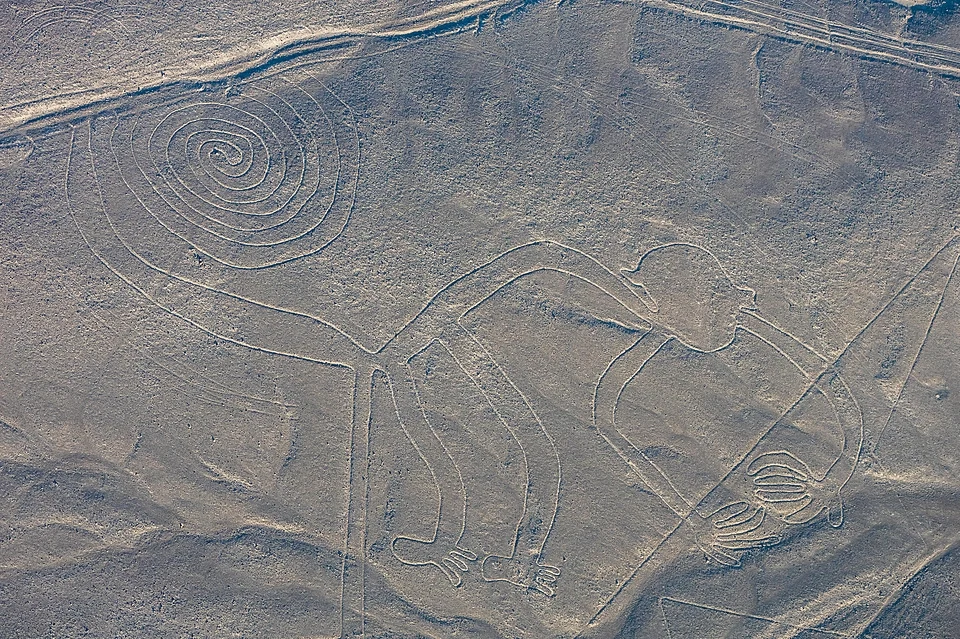
The deadliest accident over the Nazca Lines in 16 years
The flight was operated by Aerodiana, a local Peruvian airline that makes its business largely by running tourist sightseeing flights over the Nazca Lines. Aerodiana has not previously been involved in any fatal crashes.
Aerodiana is one of several companies that offer fly-overs marketed at tourists to see the UNESCO site, typically lasting between 30 minutes and an hour. In the aftermath of the incident, Aerodiana said in a statement that it,
“expressed its deepest sorrow for the tragic accident that occurred today during a tourist overflight operation in the Nazca Lines area.”
On the airline’s website, a message also expressed the airline’s regret over the accident and confirmed that it would be taking direction based on lines of inquiry into the incident.
“Additionally, we inform the public that the company will evaluate its flight schedule in accordance with the directives issued by the relevant authorities.”
Newly elected President of Peru, Keiko Fujimori, said that the government would consider temporarily suspending flights from Pisco International Airport, the base from which many companies operate flights over the Nazca Lines.
The Nazca Lines are a series of ancient geoglyphs in southern Peru that depict sprawling geometric shapes and animal outlines etched into the ground of the Nazca Desert. The geoglyphs, which date between 500 B.C. to 500 A.D., are renowned for their mysterious origins and purpose. Scholars generally agree they had religious or ceremonial significance, though some theories suggest they may also have had astronomical significance for the Nazcans. It was classified as a UNESCO World Heritage Site in 1994.
This incident is unfortunately not the only flight to crash whilst flying over the site, though it does take the record as the most deadly. In 2022, another small tourist plane crashed and killed the five passengers and two crew members on board. A further six were killed in 2010 when their aircraft crashed.
Our thoughts are with the families, friends, and loved ones of those who lost their lives in this tragic accident.