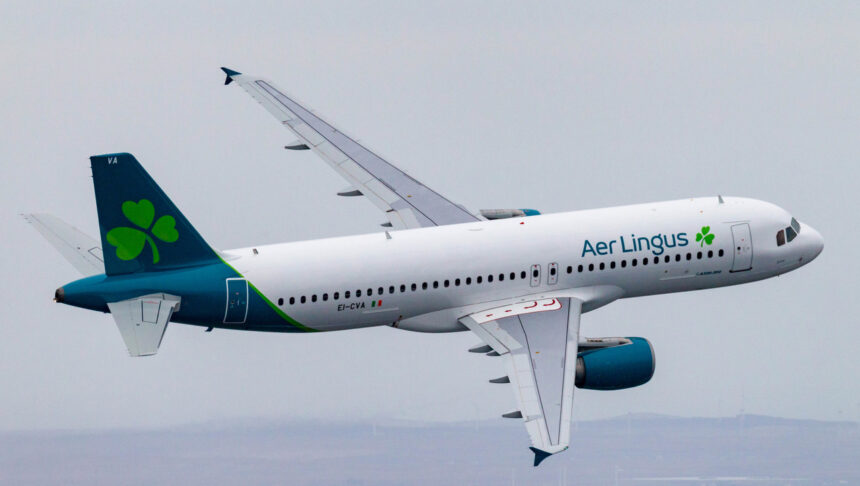
Aer Lingus have made an overall operating loss of 34 million euros for the first half of 2026, compared to the 80 million euros operating profit recorded during the same period last year. Despite a 1.2% increase in passenger volumes, the carrier has faced pressure from an 8% surge in operating costs alongside a 3% decline in passenger revenues, driven by intensifying transatlantic competition and downward pressure on fares.
Seasonal imbalance and transatlantic competition drive first‑half losses
At the heart of the carrier’s financial difficulties is a pronounced seasonal imbalance, compounded by deteriorating yields on once-lucrative long-haul markets.
While Aer Lingus targeted a 69 million euros operating profit in the second quarter of the year, the recovery was hindered by a first-quarter operating loss of 103 million euros. Management has blamed these losses on a weakened yield environment and intensifying competition on North Atlantic routes, which has driven down average fares, alongside significantly elevated supplier, carbon, and fuel costs.

Chief executive backs investment push amid job cuts
The financial downturn has accelerated a controversial restructuring program, under which the airline plans to curtail overall flight capacity by 6% and eliminate up to 500 jobs. The proposed redundancies land heaviest on administrative and onboard staff.
Aer Lingus Chief Executive Lynne Embleton defended the restructuring as a necessary move, saying:
“We’re taking steps to accelerate the transformation of the business to address ongoing structural challenges by reducing cost, improving efficiency and improving operating margin,” she said. Improving cost efficiency and productivity, she added, is “essential to achieving and sustaining a 12–15% operating margin”, creating the platform to “attract investment, improve our customer experience, support future growth and build a stronger Aer Lingus for the future.”
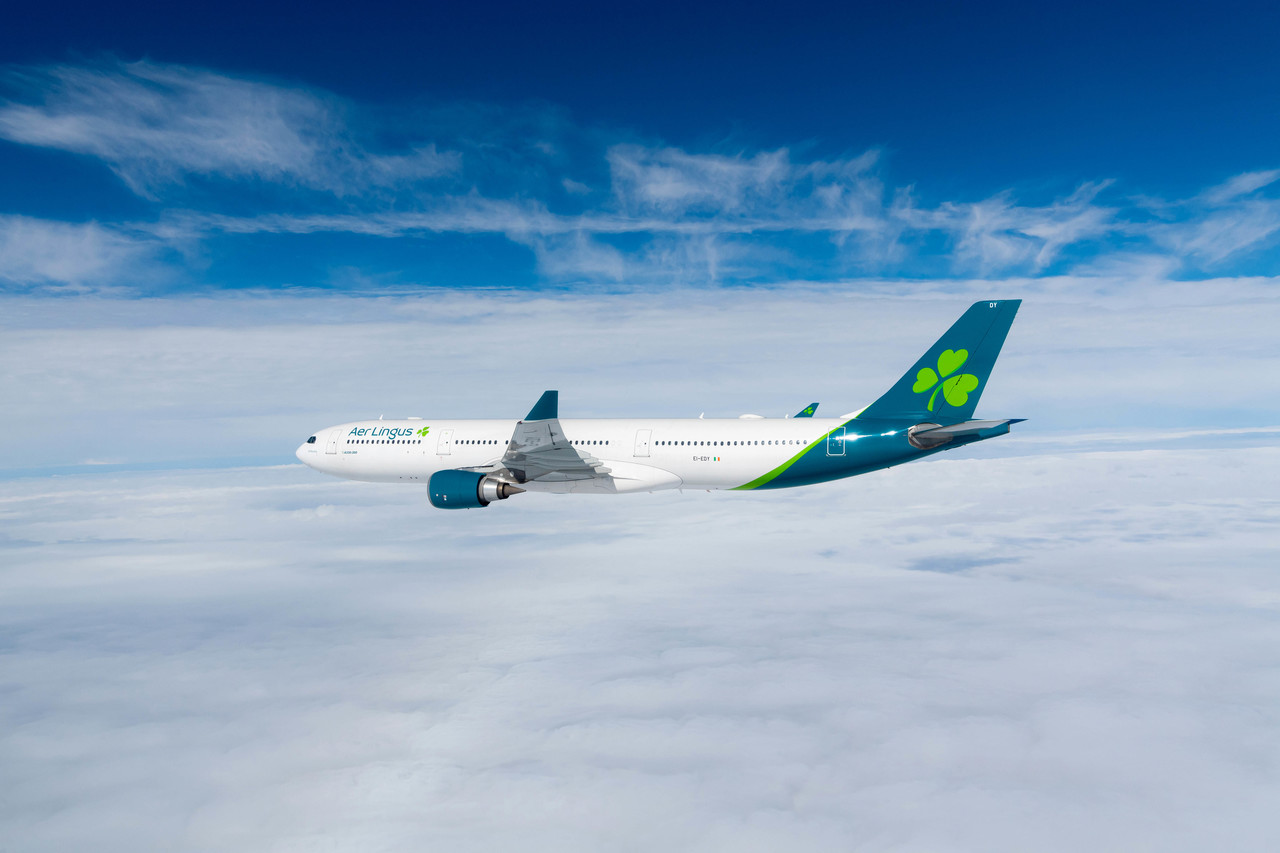
The carrier is attempting to invest its way out of the crisis by targeting higher‑yield passenger segments, with planned upgrades across the operation. These include rolling out high‑speed Starlink Wi‑Fi across 2026 and 2027, a cabin retrofit for 10 Airbus A330s, and the introduction of a new Premium Economy cabin – all positioned as part of a broader push to improve the passenger experience and strengthen the airline’s commercial performance.
Do you think the carrier is right to prioritise higher‑yield upgrades during a period of losses? Let us know in the comments below.