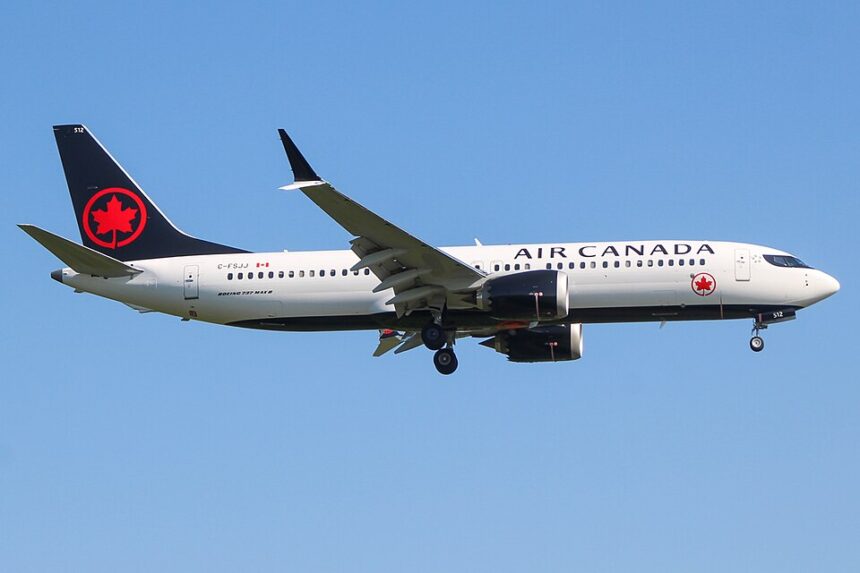
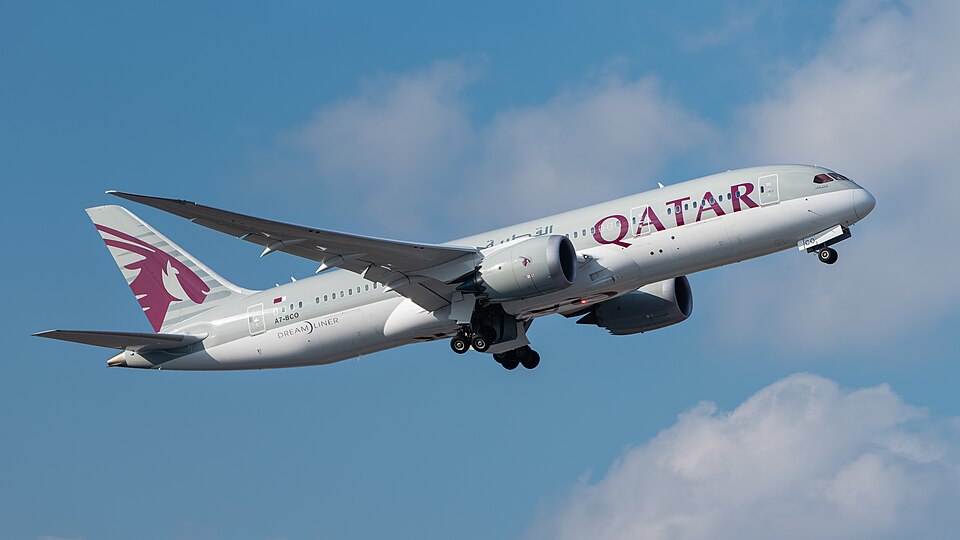
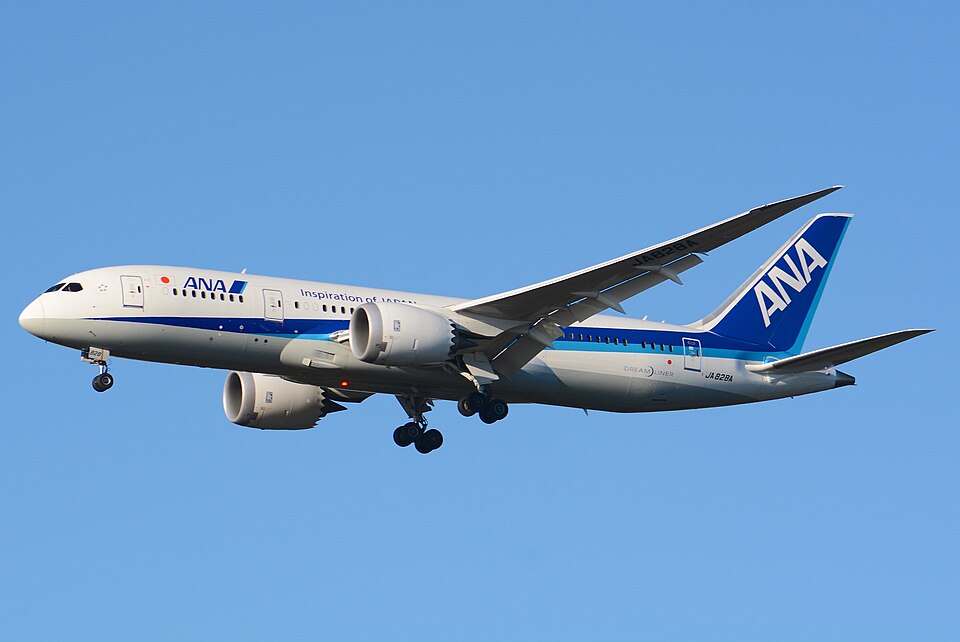
The Federal Aviation Administration says it will allow Boeing to resume issuing airworthiness certificates at the end of the production process for all 737 MAX and 787 aeroplanes, a step the agency says follows months of review and data showing consistent production quality. The FAA said the decision took effect Monday, July 20, 2026.
The FAA framed the move as a way to keep oversight “rigorous” while shifting more inspector time earlier in the build process, where problems can be identified before they become delivery-stopping issues. FAA Administrator Bryan Bedford said the step forward is only possible because the agency is confident it can be done safely and that FAA inspectors will continue oversight while focusing more on identifying and addressing risks earlier.
What an airworthiness certificate is
An airworthiness certificate is an FAA document that authorises an aircraft to operate in flight. FAA guidance notes that only FAA aviation safety inspectors and certain authorised representatives of the administrator can issue an FAA airworthiness certificate.
In its July 17 announcement, the FAA said Boeing will again be able to issue these certificates for new 737 MAX and 787 jets under FAA oversight through the company’s Organisation Designation Authorisation (ODA) unit, which the agency described as an independent group within Boeing that represents the FAA for delegated functions.
Why the FAA says it is comfortable making the change now
This was not a sudden switch. The FAA said that in September 2025 it allowed Boeing to resume issuing airworthiness certificates for some 737 MAX and 787 aircraft under a limited delegation model, with Boeing and the FAA alternating weeks in issuing certificates.
Over the past eight months, the FAA said it saw comparable production-quality findings whether Boeing issued the certificates or the FAA did, and, based on those results, the agency determined it could safely return the responsibility to Boeing.
The FAA said it will continue inspections, audits and monitoring of Boeing’s production system, including “critical assembly activities”, production quality trends and compliance with approved type design and engineering requirements. The FAA also said its oversight includes closely observing Boeing’s Safety Management System and safety culture.
How does the decision impact the evolution of the aviation industry?