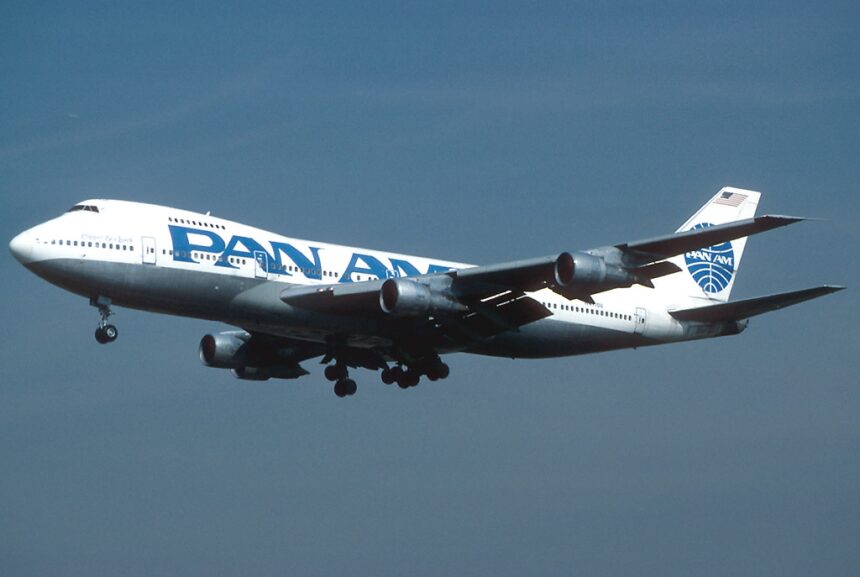
The wreckage of a Pan American Airways (Pan Am) plane crash has been found 74 years after it crashed off Puerto Rico and killed 52 people. The devastating incident led to sweeping reforms in the aviation industry that are still present in modern-day safety standards for airlines.
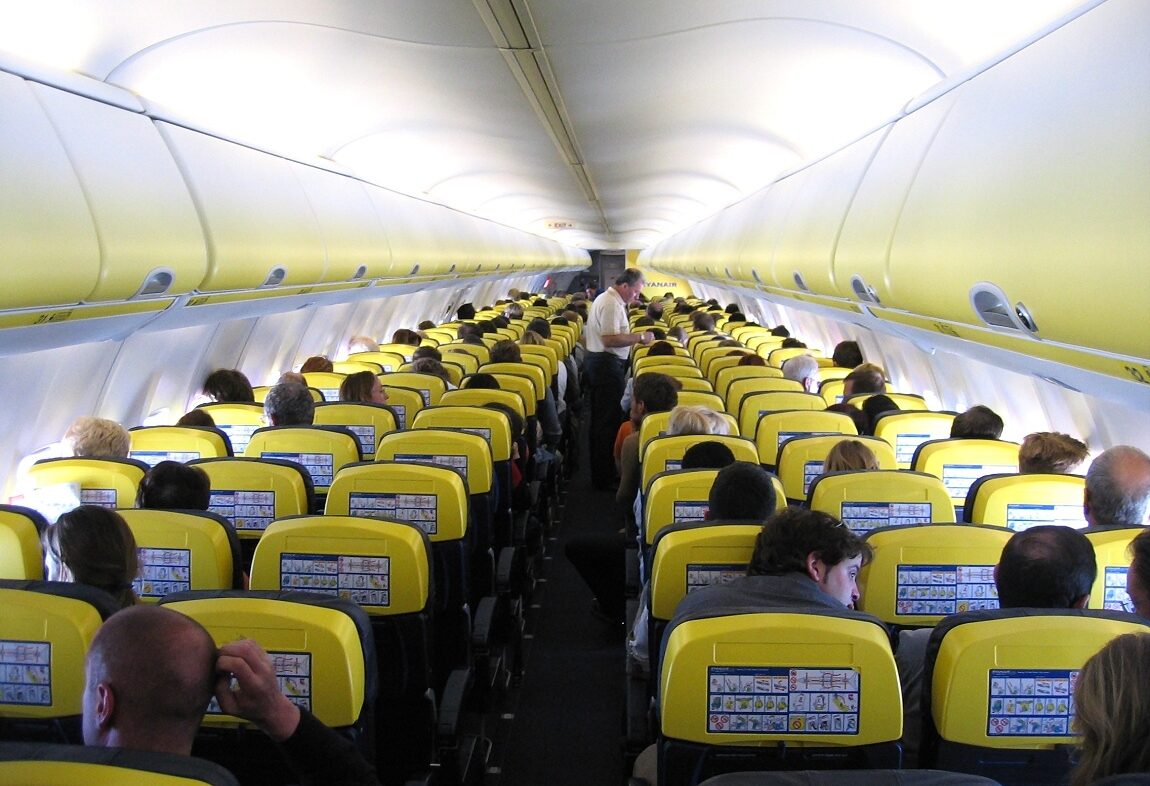
The crash that changed the industry
On April 11, 1952, a Pan Am Douglas DC-4, which is a similar size to a Boeing 737, took off from Puerto Rico and started its journey to Idlewild Airport (now known as John F. Kennedy International Airport, or JFK) in New York City. Less than 10 minutes later, two of the plane’s engines had failed on its right side. Shortly after, the flight’s pilots were forced to conduct an emergency water landing as they realised they wouldn’t be able to return to San Juan Airport. Survivor reports said all passengers initially survived the rocky descent into the Atlantic Ocean.
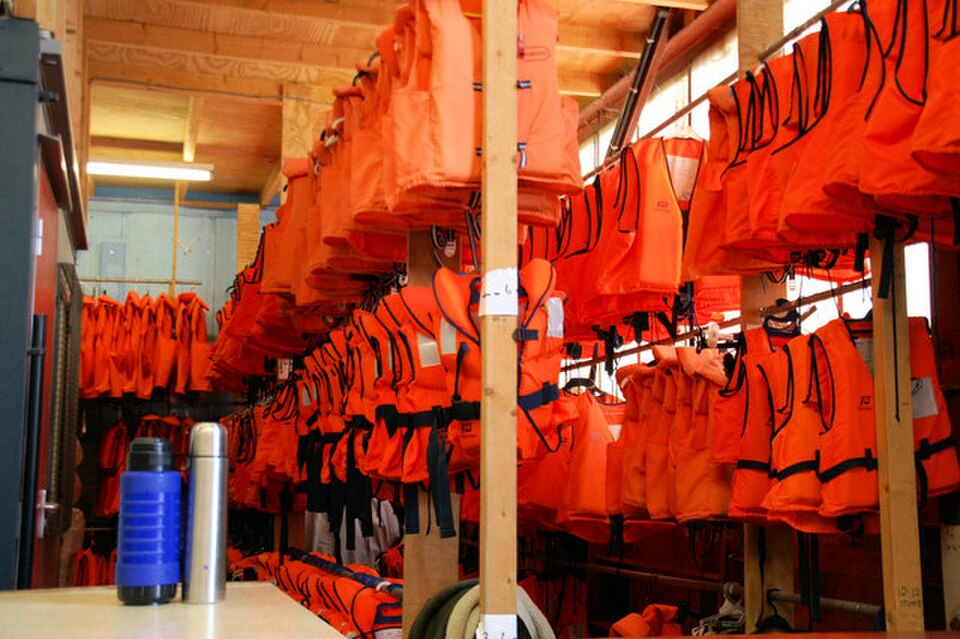
Panic soon ensued, though, as passengers struggled to locate life vests and crew members struggled to retrieve rafts for the passengers. The plane broke into two sections and sank within three minutes of crashing. 52 passengers drowned in the incident; many had been confused and fearful of exiting the sinking aircraft. The crash became a catalyst for major change in the aviation industry.
Discovering the wreckage after 74 years
For almost 75 years, the remains of the Pan Am “Clipper Endeavour” have been thought lost to the Atlantic Ocean. However, on June 2, 2026, it was officially declared located by a robotic sonar drone.
The search involved Russ Matthews, president of the Air/Sea Heritage Foundation, who played a central role in the search for the wreckage, and Deep Sea Vision, a company manufacturing survey equipment for such underwater projects.
Russ Matthews had first learned of the plane crash when a luggage tag from the flight washed ashore in Florida in 2019. He continued to research the crash and searched the Coast Guard archives for clues of where the wreckage might be. Eventually, Matthews’s research group combined their evidence with weather data from the time of the crash to produce a map covering the 10 nautical miles they believed the plane could have been in.
In March 2026, Matthews learnt that a survey ship operated by Deep Sea Vision would be passing through the area with an advanced underwater drone capable of reaching depths of 20,000 feet. The drone located the wreckage soon after; the famous “PAA” symbol of Pan American Airways was still visible on the nose of the plane.
A long-lasting legacy
The devastating loss of life from the crash resulted in subsequent major changes to the aviation industry’s safety standards. Prior to the accident, passenger safety briefings were not a requirement on commercial flights. Passengers on the “Clipper Endeavour” had no idea how to inflate a life vest or even where they were located on the aircraft.
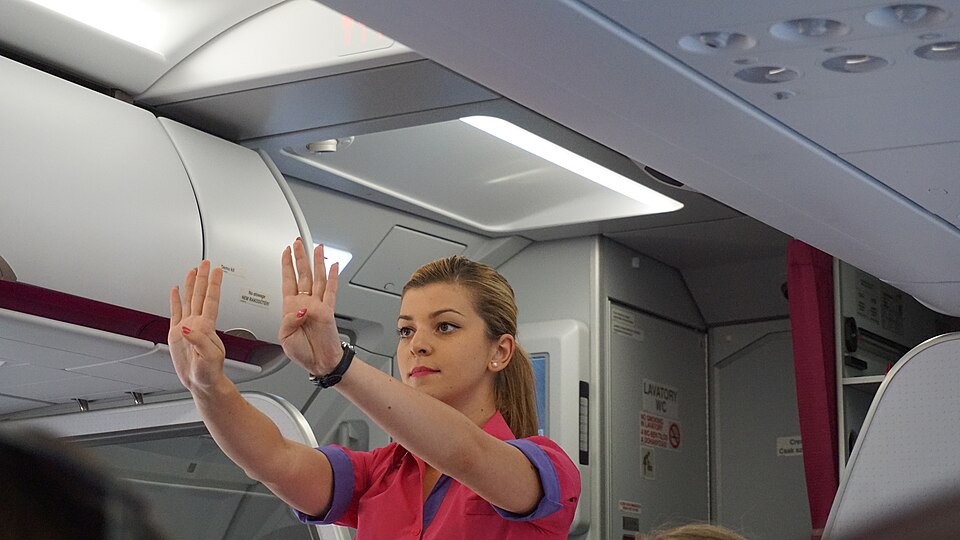
Shortly after, pre-flight safety briefings delivered by flight attendants were instituted and made mandatory. In addition to this, demonstrations of emergency procedures such as how to properly inflate a life vest and exit the plane from emergency doors were made standard practice in the industry across airlines.
John Cox, an aviation safety expert, commented:
“This one became a catalyst, and it helped drive safety steps forward of better flotation equipment and the preflight briefings. So this is one stepping stone along the path to what we today enjoy as aviation safety.”
What do you think of this discovery? Let us know in the comments.