

For years, mobile connectivity was treated as something passengers arranged after landing. Travellers would search for an airport SIM kiosk, accept their home network’s roaming charge or wait until they reached the city before buying a local plan.
That routine is becoming increasingly incompatible with European air travel. Airlines and airports now expect passengers to interact with digital systems throughout the journey, often before they have reached baggage reclaim. Boarding passes, disruption notices, border information, baggage updates and onward transport details increasingly sit on the same mobile device.
Airports are not formally requiring passengers to install an eSIM, and physical SIM cards are unlikely to disappear overnight. Yet the way aviation is becoming more dependent on mobile services is steadily pushing travellers towards connectivity that is already active when the aircraft lands.
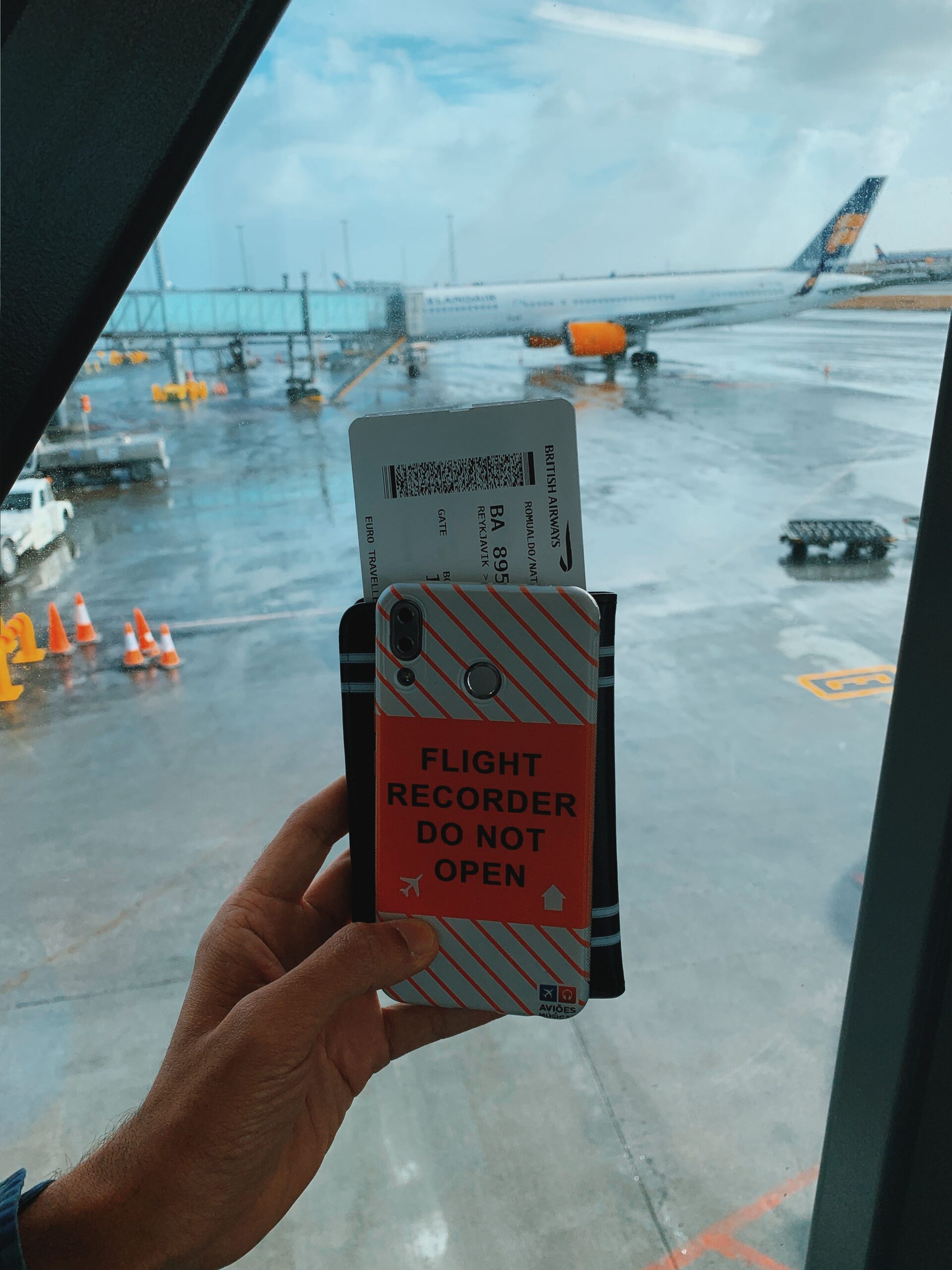
The Passenger Journey Now Starts Inside an Airline App
Airline apps were once optional tools for checking schedules or storing loyalty numbers. Today, they often function as the passenger’s main control panel.
Travellers may be asked to complete check-in, verify documents, select seats, pay for baggage and retrieve a mobile boarding pass through the app. During disruption, the same system can deliver a gate change, revised departure time or rebooking option faster than information reaches an airport screen.
Some carriers are also reducing their reliance on printed travel documents. Even where paper boarding passes remain available, digital versions are becoming the normal route through check-in, security and boarding.
This changes the role of mobile data. Connectivity is no longer only useful for messaging friends or uploading photographs. It can determine how quickly a passenger responds when an airline changes the gate, cancels a sector or asks for additional information.
A traveller who loses access to the app during a connection may still receive help from airport staff, but the process becomes slower. In a busy hub, the difference between seeing a notification immediately and joining a customer-service queue can decide whether the next flight is made.
Airports Are Becoming Mobile-First Environments
European airports have invested heavily in self-service infrastructure. Mobile boarding passes can be scanned at security barriers, boarding gates and automated bag-drop stations. Airport apps provide terminal maps, waiting-time estimates, retail information and directions to departure gates.
This does not make public Wi-Fi irrelevant. It does, however, expose its limitations.
Airport networks can require registration, email verification or acceptance of terms through a browser page that does not always load correctly. Coverage may be strong near departure lounges but weaker in bus gates, arrivals corridors, car parks or ground transport areas. A passenger may also be reluctant to use an open network for payment, banking or account recovery.
The problem becomes more obvious after landing. Once travellers leave the terminal, they may need to open a rail ticket, find a coach stop, message a driver or retrieve instructions for an apartment check-in. Airport Wi-Fi usually ends exactly where those tasks begin.
For the aviation sector, passengers who can remain connected independently are easier to guide. They receive operational messages, follow digital signage instructions and make onward arrangements without relying entirely on information desks.
Arrival Has Become the Most Data-Dependent Part of the Flight
The first half-hour after landing can involve more digital activity than the flight itself.
A passenger arriving at an unfamiliar airport may need to check whether a suitcase has been assigned to another belt, identify the correct railway terminal, compare airport transfer options or tell a hotel that a flight has been delayed. Travellers entering Europe from outside the region may also need access to accommodation details, return-flight information or supporting documents during border procedures.
This is where the traditional “buy a SIM after arrival” model begins to fail. The passenger often needs connectivity before reaching the shop that sells it.
Airport SIM counters also operate according to local opening hours. A delayed evening flight may arrive after the kiosk has closed, while a short connection may leave no time to compare plans or complete registration. Physical SIM installation introduces another small risk: the traveller must remove the home SIM, store it safely and change device settings while moving through a crowded terminal.
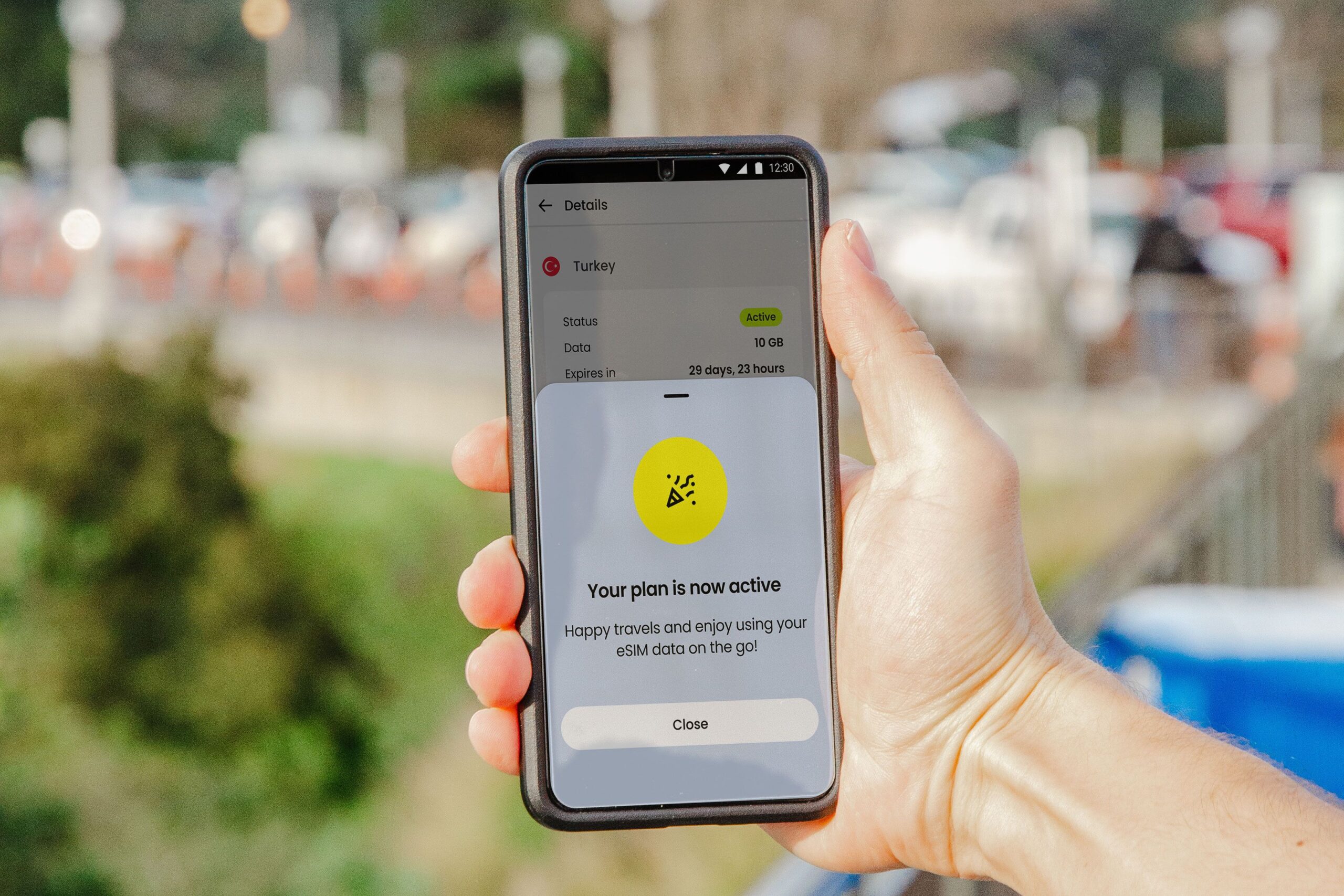
Before flying, passengers can compare the coverage area, data allowance and activation instructions of a travel eSIM for Europe against the actual countries on their itinerary, rather than making that decision beside the arrivals exit with a train already due.
That preparation is particularly relevant on trips involving more than one European destination. A journey may begin with a flight to Amsterdam, continue by rail to Belgium and end with another departure from Paris. Connectivity arranged for only the arrival country can create another interruption at the first border.
Airline Disruption Makes Instant Connectivity More Valuable
Routine journeys rarely reveal the weaknesses in a passenger’s connectivity plan. Disruption does.
When a flight is cancelled, hundreds of passengers may attempt to access the same airport Wi-Fi while simultaneously opening airline apps, searching for hotels and contacting travel insurers. Service desks quickly develop queues, and phone lines become congested.
Airlines increasingly direct passengers towards self-service rebooking. An app may offer an alternative flight, issue a meal voucher or display instructions for overnight accommodation. These systems can reduce pressure on ground staff, but only when passengers can reach them.
A regional eSIM does not eliminate the need for preparation. Travellers should still save essential information offline and understand how their airline handles cancellations. It does, however, remove one dependency during a moment when several systems may already be under strain.
Passengers should keep screenshots or wallet copies of boarding passes, hotel addresses and insurance details. They should also store the airline’s booking reference separately from the app. Mobile connectivity is becoming part of the operational journey, but it should not be the only place where critical information exists.
Multi-Airport Itineraries Favour Digital Provisioning
European trips are rarely confined to a single aviation system. A traveller might arrive at a major hub, take a low-cost flight from a secondary airport several days later and return home from another country.
These itineraries create gaps that traditional roaming arrangements do not always handle well. The home network may apply different terms outside the EU or exclude neighbouring destinations. Regional travel plans can also involve countries that participate in European aviation networks but are not covered by every domestic roaming agreement.
Digital provisioning is better suited to this fragmented geography because the traveller can install a plan without visiting a shop or replacing a card. Depending on the device, the primary number may remain active for calls and authentication messages while the eSIM handles mobile data.
That distinction matters for airline accounts. Banks, booking platforms and carriers may send one-time security codes to the passenger’s usual number. Removing the physical SIM entirely can make those messages harder to receive. A dual-SIM configuration allows travellers to preserve access to the home number while controlling which line is permitted to use data abroad.
The settings should be checked before departure. Data roaming may need to be enabled for the travel profile but disabled for the home line. Automatic mobile-data switching should also be reviewed, since a device can otherwise return to the more expensive connection when coverage changes.
Airports Benefit When Passengers Can Navigate Independently
The move towards eSIM-ready travel is not only a consumer trend. It supports the operational goals of airports.
Terminals are handling growing numbers of passengers while trying to reduce queues and make better use of limited space. Self-service systems transfer routine tasks away from staffed desks. Mobile notifications can direct travellers to different security areas, announce gate changes and reduce confusion during irregular operations.
Independent connectivity also supports accessibility. Written directions, translation tools and messaging services can help passengers who find public announcements difficult to understand. Families can coordinate when separated at security, while travellers requiring assistance can respond more quickly to meeting-point changes.
None of this removes the airport’s responsibility to provide clear signs, staffed support and alternatives for people who cannot use smartphones. A digital-first airport must still account for dead batteries, damaged devices, accessibility needs and passengers without compatible technology.
The strongest model is therefore not one in which mobile access becomes compulsory without backup. It is one in which digital systems handle routine movement while human support remains available for exceptions.
eSIM-Only Travel Is a Direction, Not Yet a Rule
The phrase “eSIM-only travel” describes where passenger behaviour is heading more accurately than it describes current airport regulation.
Many travellers can still fly through Europe with printed documents and no mobile data. Staff can usually assist when an app fails, and airport Wi-Fi remains widely available. Yet each stage of the journey is being designed around the assumption that a connected phone is nearby.
The result is a gradual transfer of responsibility. Airlines provide real-time information digitally. Airports install infrastructure built around mobile credentials. Passengers are expected to arrive with charged devices, accessible booking records and a workable way to get online.
Physical SIM cards will remain relevant, particularly for longer stays or travellers who need a local telephone number. Home-network roaming may also be the simplest arrangement for some passengers. The important change is that connectivity can no longer be treated as an arrival-day purchase with no effect on the flight itself.
As European aviation becomes more automated, the phone is turning into part boarding pass, part disruption desk and part airport map. The practical question for travellers is no longer whether they will need mobile access during the journey, but whether it will work at the moment the terminal systems expect it to.