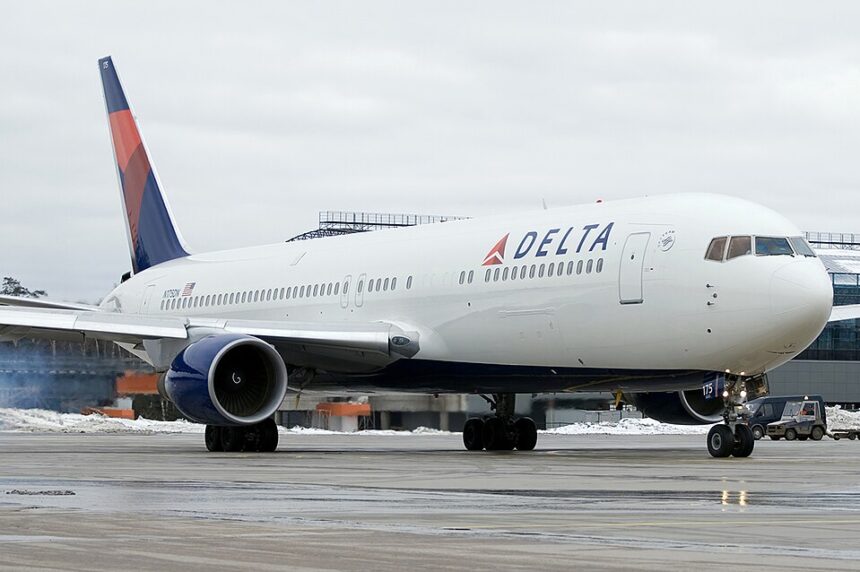
Federal officials are investigating a tight call at Boston Logan International Airport (BOS), which took place on Saturday morning, June 20, 2026, after a Delta Air Lines flight aborted a landing to avoid an American Airlines aircraft departing from an intersecting runway, according to the Federal Aviation Administration and flight logs.
What Was Reported
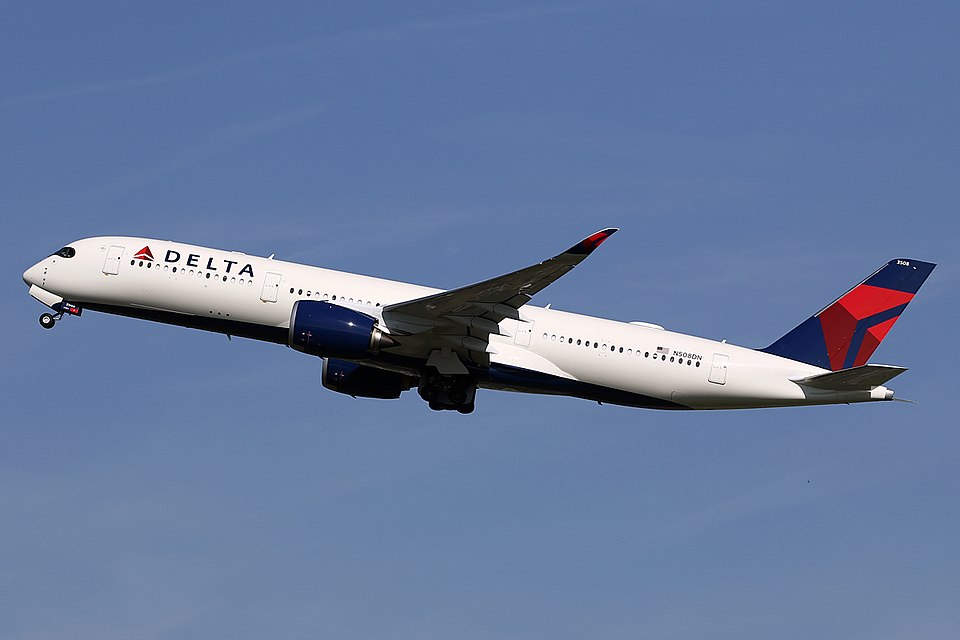
Delta said Flight 2351 from Dallas executed a go-around after coordinating with air traffic control. The airline said the aircraft carried 129 passengers and six crew members, and that it landed safely and deplaned normally. American and airport officials referred questions to the FAA.
A separate AP follow-up, citing aviation safety analyst Todd Curtis, estimated the two jets came within about 300 feet of each other, based on flight-tracking data. Curtis called the event significant and said it is likely to draw close scrutiny because it involved two airline crews and occurred in the high-risk airport surface environment.
The incident landed amid heightened national attention on runway incursions and near-misses. A Senate Commerce subcommittee held a hearing on Tuesday, June 23, 2026, examining “close calls” and broader safety improvements across the national airspace system.
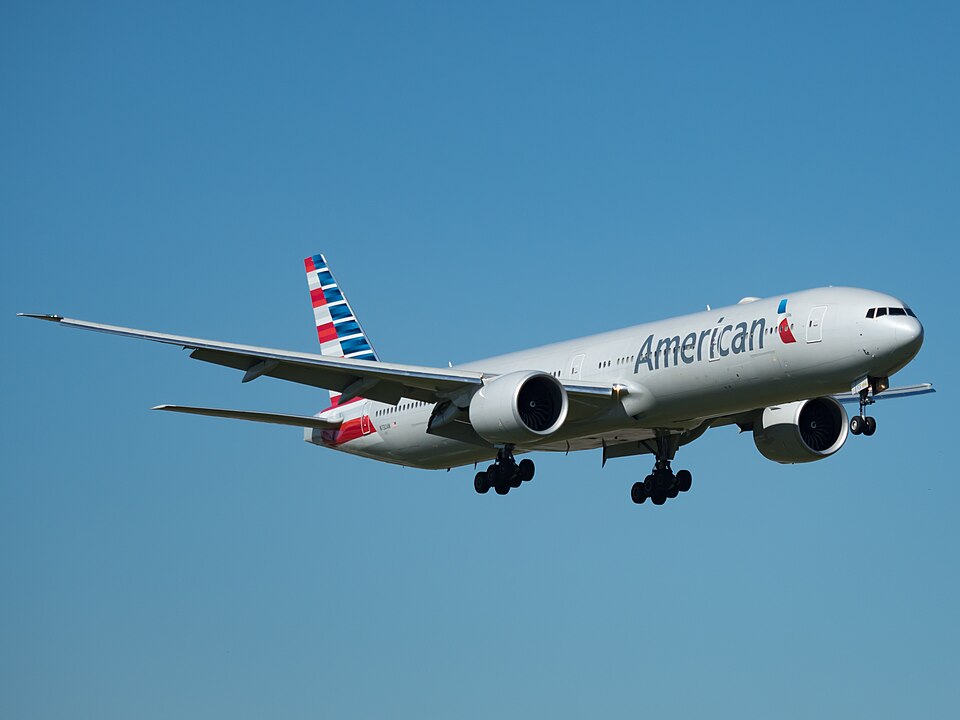
What a ‘go-around’ means and why it’s not unusual
A go-around is a normal safety manoeuvre, not a sign that a crash was inevitable. The FAA describes it as a safe, routine action initiated by pilots or requested by controllers to discontinue a landing approach and reset the aircraft for another attempt.
It could mean that if anything doesn’t look right based on traffic, spacing, runway status, wind, or aircraft layout, the safest choice is often to go around early, climb, and come back for a stabilised approach.
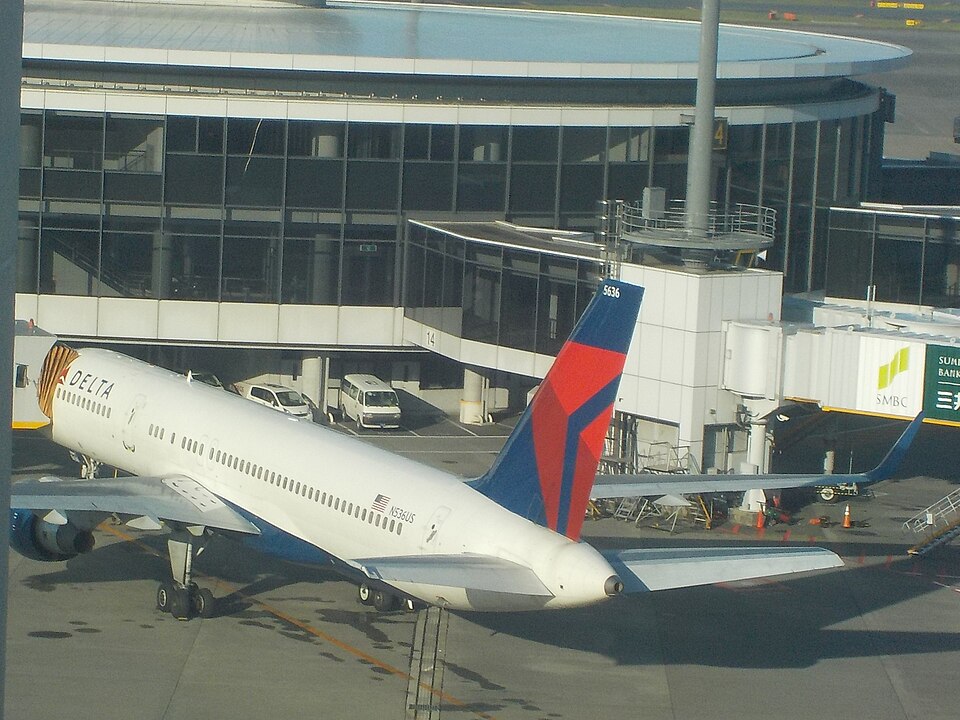
Why intersecting runways raise the stakes
Airports with intersecting runways can handle high demand efficiently, but the layout creates a built-in “conflict point” that requires tight coordination among tower controllers and flight crews. When one aircraft is cleared to land, and another is cleared to depart across an intersection, safety depends on timing, speed assumptions, visibility and immediate compliance.
When that timing breaks down, the event may be classified as a runway incursion, defined by the FAA as the incorrect presence of an aircraft, vehicle or person on the protected area of a runway surface intended for takeoffs and landings. The FAA uses severity categories (A through D) based on how close the situation came to a collision and how urgent the corrective action was.
So far, the FAA has publicly said it is investigating the incident and has emphasised that go-arounds are safe, routine procedures. As of local reporting updates, no additional information had been released about the investigation’s findings or timeline.
Do you see new policies emerging as a result of the incident? Let me know in the comments!