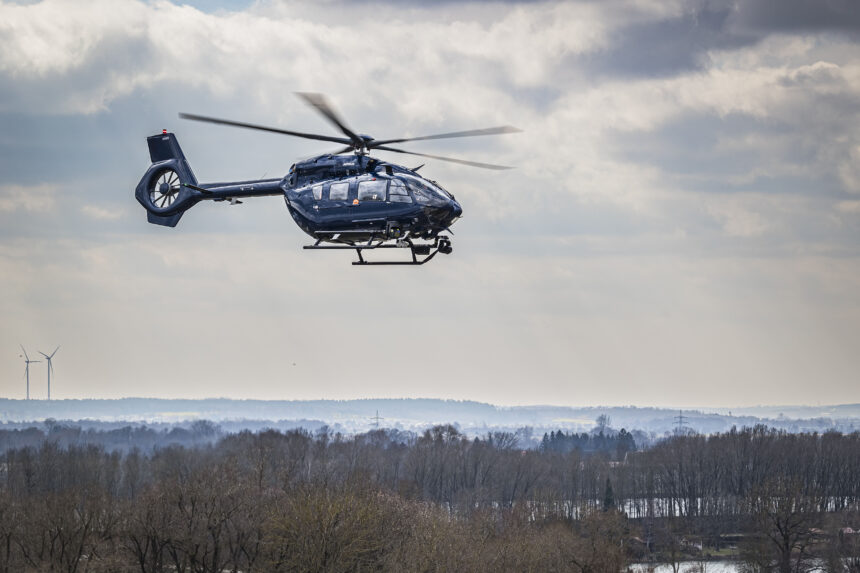
Airbus Helicopters has unveiled the U145, an autonomous and uncrewed version of its popular H145 helicopter, at the International Aerospace Exhibition (ILA) Berlin 2026. The new aircraft represents Airbus’ latest move into the growing uncrewed aerial systems (UAS) market, combining the proven capabilities of the H145 platform with advanced autonomous flight technology.
A Proven Helicopter Goes Uncrewed
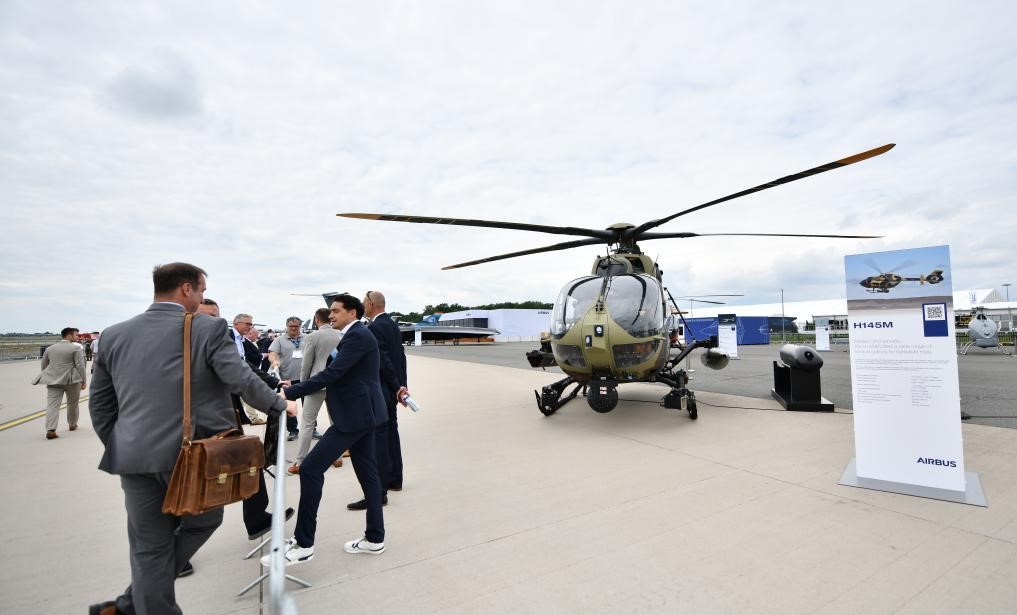
The announcement was accompanied by the display of a full-scale mock-up at the airshow, giving visitors a first look at what Airbus hopes will become a versatile platform for both civil and military operations. A maiden flight with a safety pilot onboard is scheduled for the end of 2026, while entry into service is expected in the early 2030s.
The U145 is based on the widely used H145 helicopter, which has accumulated more than 8.5 million flight hours across over 1,800 aircraft operating worldwide. Rather than developing a completely new airframe, Airbus has opted to leverage the H145’s proven reliability, payload capacity and twin-engine performance while removing the need for a traditional cockpit.
According to Airbus Helicopters CEO Matthieu Louvot, the U145 combines the “proven airframe, power and useful load” of the H145 with the autonomy of a modern UAS. The aircraft will feature a dedicated sensor suite and artificial intelligence systems capable of supporting fully autonomous operations.
Compared with the crewed H145, the U145 incorporates significant modifications for cargo operations. These include the removal of the physical cockpit, an integrated nose-loading door, a foldable loading table and a dedicated cargo floor designed to maximise payload flexibility.

Designed for Multiple Missions
With a maximum take-off weight of 3,800 kg, Airbus is positioning the U145 as a mission-agnostic platform suitable for a wide range of applications. Initial operations are expected to focus on high-volume cargo transport, particularly in environments where sending a crewed aircraft could be impractical or risky.
However, Airbus says the aircraft’s modular design will also support missions including disaster relief, firefighting, surveillance, armed scouting and crewed-uncrewed teaming operations. The manufacturer is additionally exploring the use of the U145 as a “drone mothership” capable of deploying smaller aerial systems, working alongside European missile manufacturer MBDA.
The aircraft forms part of Airbus’ broader effort to expand its autonomous aviation portfolio, which was showcased extensively at ILA Berlin 2026 alongside other uncrewed systems such as the U760 Ravenstorm combat drone and the Eurodrone programme.
The U145 is the second crewed helicopter Airbus has converted into an uncrewed platform, following the VSR700 programme. The company believes autonomous rotorcraft will play an increasingly important role in both civil logistics and military operations as operators seek greater flexibility while reducing risks to personnel.
As autonomous aviation technology continues to mature, the U145 could become a significant milestone in the development of larger uncrewed helicopters capable of carrying substantial payloads over long distances. The first flight later this year will provide an important indication of how quickly Airbus can turn the concept into an operational aircraft.
With the launch of the U145, Airbus is bringing autonomous technology to one of its most successful helicopter platforms. By combining the proven capabilities of the H145 with AI-powered autonomy, the manufacturer is targeting a future where uncrewed rotorcraft support everything from cargo delivery and disaster response to military logistics and surveillance missions.
What are your thoughts on Airbus’ new U145 autonomous helicopter? Let us know in the comments below.