
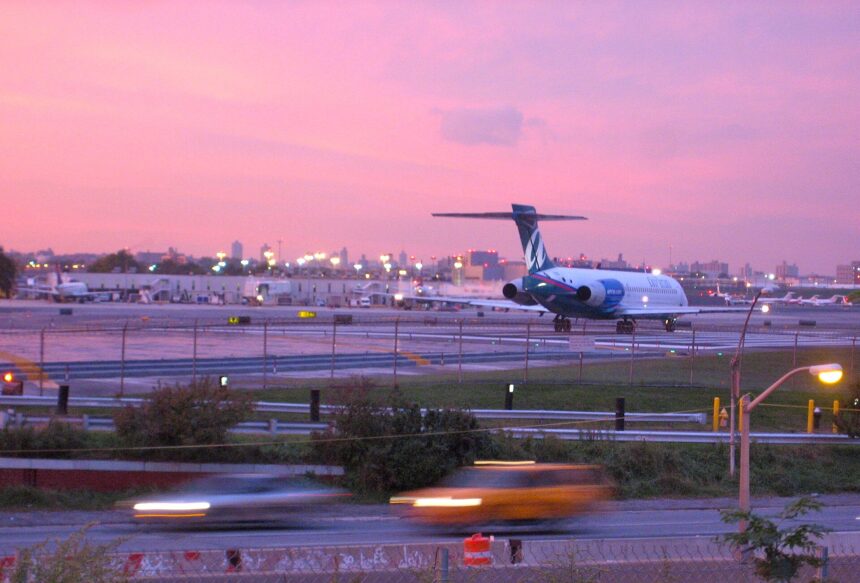
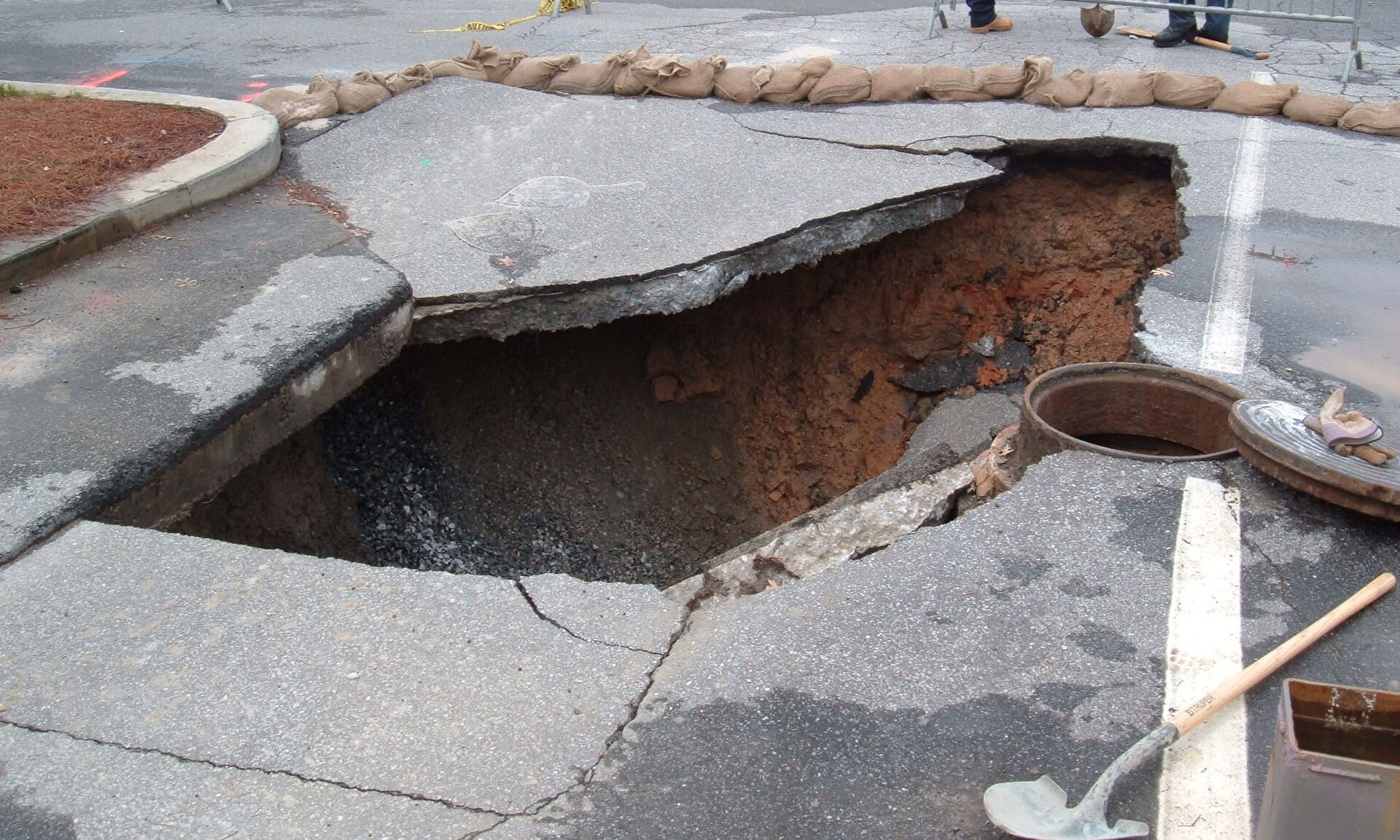
LaGuardia Airport (LGA) in New York has been forced to close one of its runways due to a sinkhole, causing significant flight delays. The sinkhole was discovered on the morning of Wednesday, May 20.
Cancellations and Delays
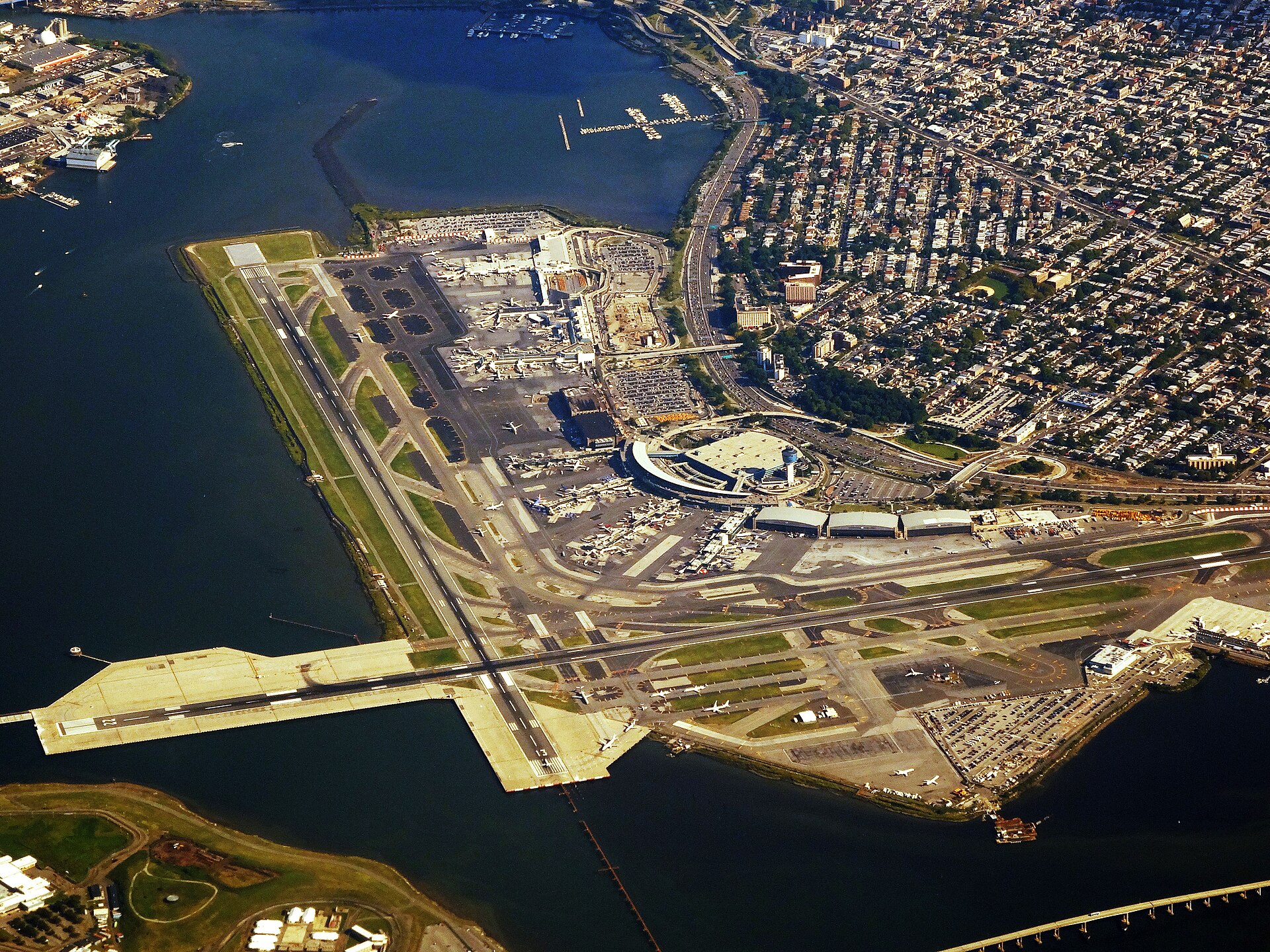
It has been reported that while the LGA operator was conducting the obligatory daily morning inspection, a sinkhole was discovered near runway 4/22 at roughly 11 a.m. EDT on Wednesday, May 20. The runway was quickly closed off to allow emergency construction and engineering crews to investigate and determine the specific cause of the sinkhole and what next steps to take to make necessary repairs.
Passengers travelling through the airport were warned by New York’s Port Authority to expect delays and cancellations and to check directly with the airlines operating their flights for updated status information.
The thunderstorms forecasted later that day did not aid the situation at LGA, worsening delays. The Federal Aviation Administration (FAA) airport monitoring service announced that some arriving flights could be delayed by an average of 1 hour and 37 minutes at around 4 p.m. EDT due to a traffic management programme for arriving air traffic.
Susceptible to Sinking
According to a report published in 2025 in the Earth and Space Science journal, a large number of U.S. airports are increasingly being challenged by runways and ground that are sinking and becoming progressively more uneven. The report asserted that land subsidence was becoming a significant threat to the operation, safety, and structural integrity of infrastructure integral to the aviation industry, with about 3.9% of runway surfaces at moderate-to-very-high risk of damage from sinking ground. Moreover, the report noted that 3.5 million square metres of runway were experiencing significant sinking, and nearly 14,000 square metres were at high risk of structural damage.
Large areas of New York City are also sinking due to ageing infrastructure, urban development, and weather changes, all of which disrupt soil. Differential sinking, whereby adjoining localities are sinking at different rates, or even sinking while other areas rise, is occurring in the city’s densest urban cores. LGA, an airport that primarily facilitates domestic travel, was built upon land reclaimed from the surrounding bay in the 1930s and is a particular hotspot for differential sinking, according to Columbia Climate School. This is a result of groundwater extraction, soil compaction, and erosion, which leaves the location increasingly susceptible to sinkholes.
Have you been impacted by a sinkhole while travelling? Let us know in the comments.